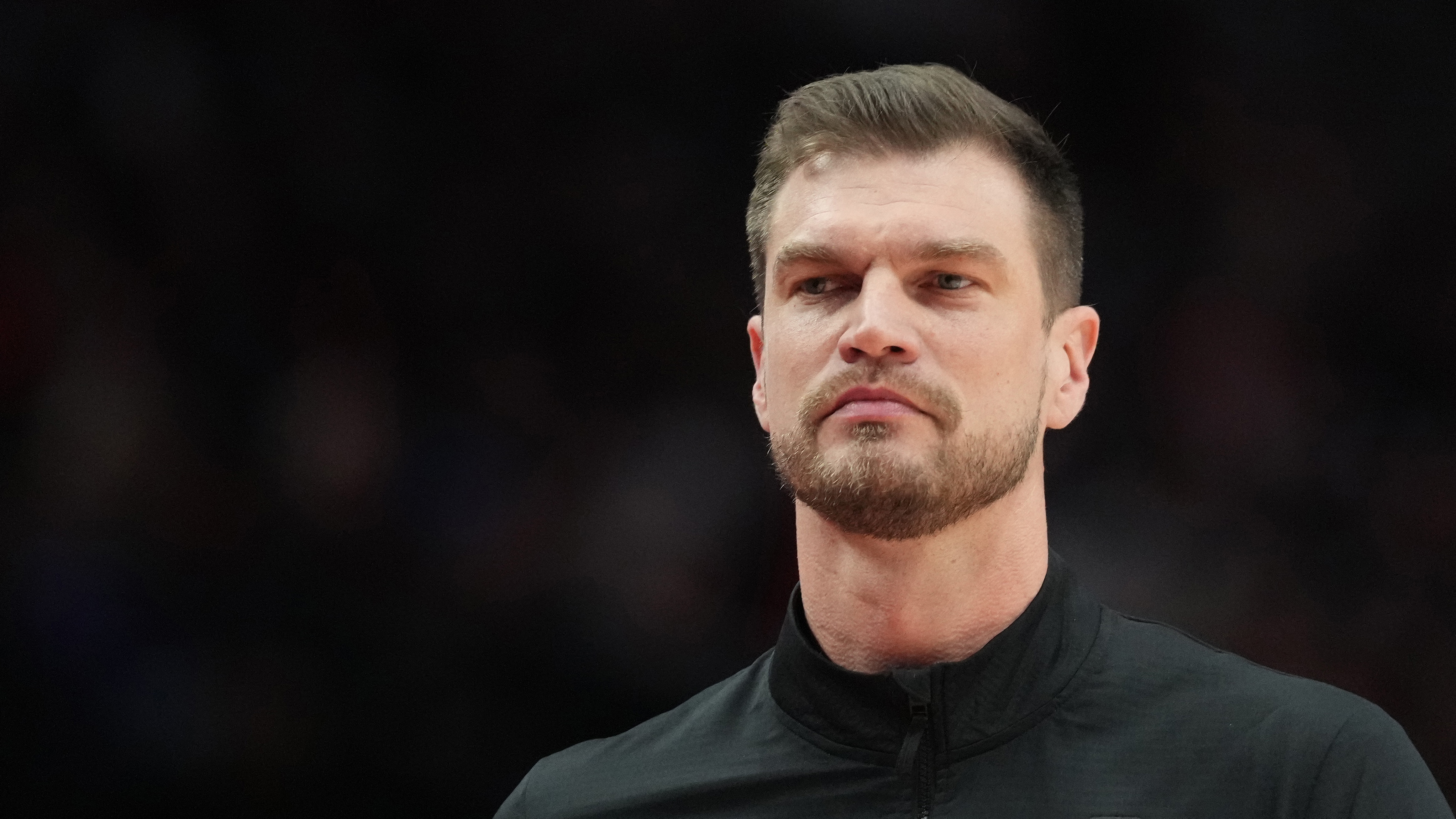
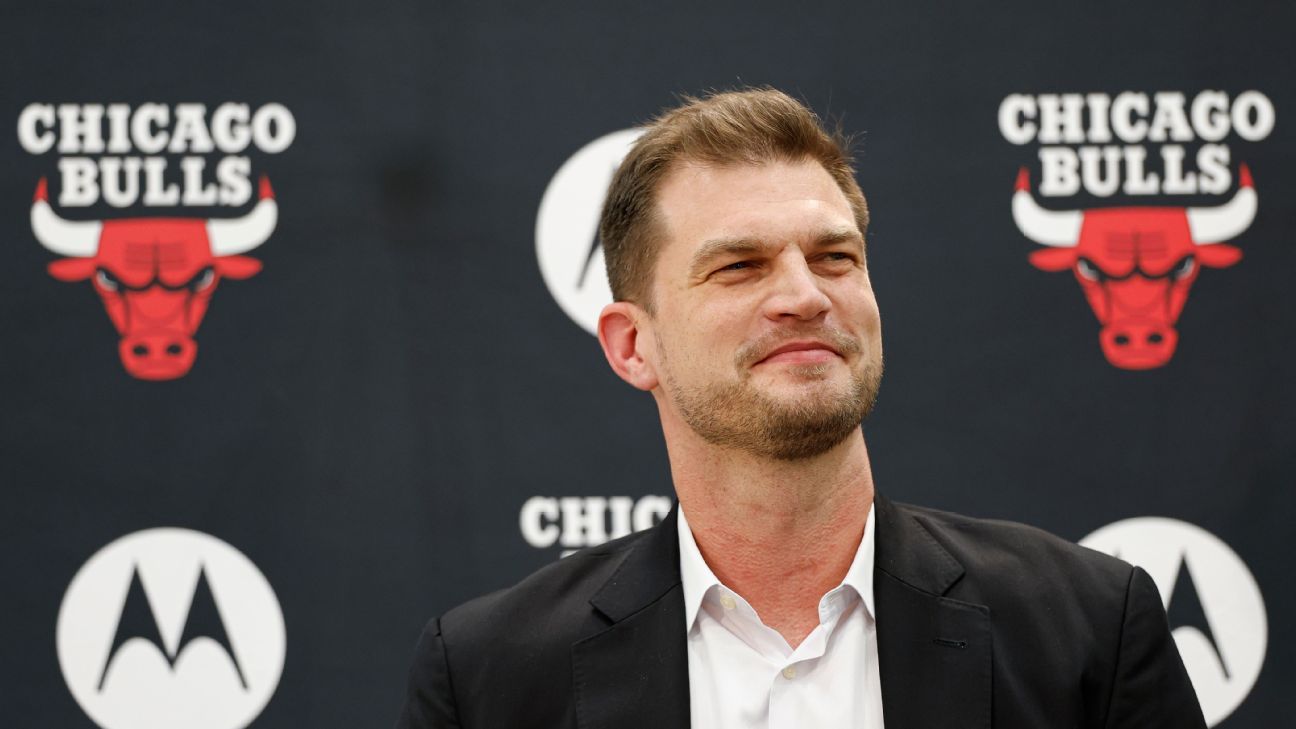
Tiago Splitter has signed with the Chicago Bulls, adding a veteran voice to a roster that is still defining its identity. The organization framed the move as a deliberate effort to inject toughness into a club built around players who are early in their NBA careers. Splitter’s arrival signals that Chicago is looking beyond raw talent, seeking the kind of disciplined work ethic that can shape a team’s culture from day one.
The Bulls’ current lineup is populated by a slate of recent draft picks and players still in the first few years of their professional journeys. With limited playoff experience among the core, the club has repeatedly shown a willingness to blend youth with seasoned professionals. In this context, Splitter’s reputation for demanding effort in practice and games aligns with the franchise’s broader strategy of pairing potential with proven habits.
Throughout his own career, Splitter earned a reputation for disciplined defense, positional versatility, and a relentless approach to the fundamentals of the game. Those attributes have made him a respected figure in locker rooms, where his expectation for consistency often translates into higher standards for teammates. While his statistical contributions have varied, the intangible value he provides, leadership, accountability, and a focus on the less glamorous aspects of winning, remains his most notable asset.
For Chicago’s younger big men, Splitter offers a direct source of mentorship on the nuances of post play, positioning, and defensive rotations. His presence on the practice floor can accelerate the learning curve for players still adapting to the NBA’s physical demands. By modeling professionalism and a gritty mindset, he can help bridge the gap between potential and performance, encouraging the squad to embrace a harder-nosed approach in both practice and games.
On the court, Splitter’s size and skill set give the Bulls an additional option in the interior. Even if his minutes are limited, his ability to defend the paint and set solid screens can free up perimeter players and improve overall spacing. The coaching staff now has a tool to experiment with lineups that blend his experience with the athleticism of the younger roster, potentially creating a more balanced offensive and defensive scheme.
Looking ahead, the Bulls will assess how quickly the team absorbs Splitter’s emphasis on toughness. Early training sessions and preseason matchups will serve as the first indicators of cultural shift. If the squad translates his standards into measurable improvements, especially on the defensive end, the season could see Chicago moving from a rebuilding narrative toward a more competitive, hard-working identity.
 Chicago Bulls
