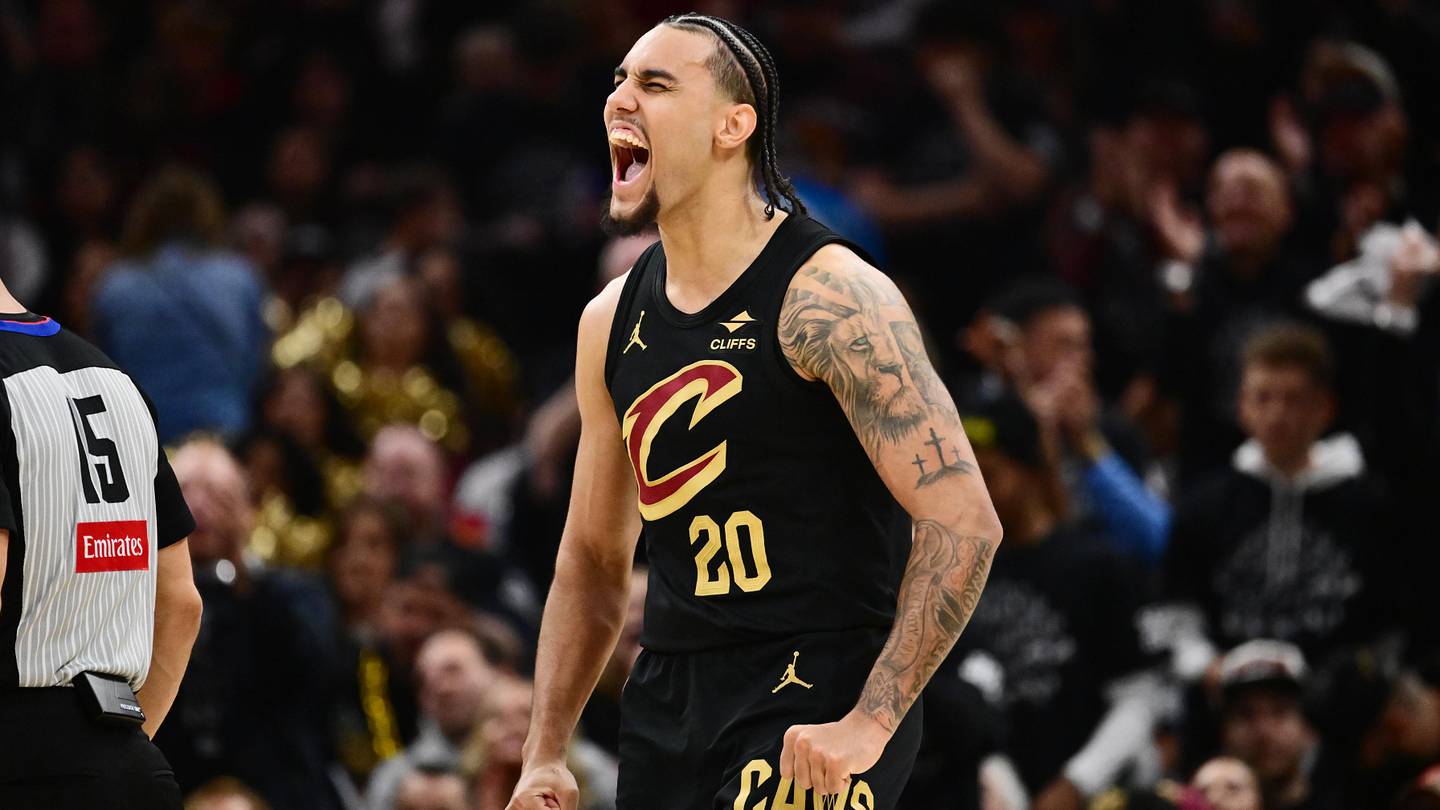
Cleveland approaches the upcoming NBA Draft with a late first-round selection that has already generated buzz around prospects such as Tarris Reed Jr. and Meleek Thomas. While the exact slot remains fluid, the conversation centers on how the franchise can add a player who fits its evolving roster needs without compromising financial flexibility. The focus on these names reflects a broader trend of teams seeking value in the latter portion of the first round, where raw talent often awaits refinement.
The Cavs entered the previous draft without a first-round pick, turning instead to the second round where they added Tyrese Proctor and Saliou Niang. Proctor, a former Duke player, appeared in fifty regular-season games and spent time with the Cleveland Charge of the G League, offering a glimpse of his potential at the professional level. Niang, a forward from the University of Miami, saw limited minutes in summer league action and did not break into the regular-season roster. Their experiences underscore the challenges of extracting immediate impact from later-round talent, while also highlighting the front office’s willingness to develop players beyond the marquee selections.
Cleveland’s draft legacy is anchored by two No. 1 picks that defined eras: LeBron James in 2003 and Kyrie Irving in 2011. Both athletes later helped bring a championship to the city, though each also sparked periods of franchise turbulence. Those landmark selections illustrate how a single high-profile pick can reshape a team’s trajectory, setting a high bar for future draft strategies and reinforcing the importance of scouting acumen.
The current late-first-round opportunity presents a chance to add a wing who can contribute right away rather than serving solely as a developmental project. The Cavs have traditionally leaned on a core of established stars, and a player with defensive versatility could address the scarcity of depth along the perimeter that has been evident in recent seasons. By targeting a prospect with a defensive pedigree and the ability to guard multiple positions, Cleveland can align its roster construction with an emphasis on flexibility and resilience.
Regardless of the outcome, the upcoming selection will serve as a litmus test for how the Cavaliers balance immediate needs with long-term planning. A modest contribution would validate a strategy that leverages later picks to fill roster gaps without sacrificing cap space, while a misstep would reinforce the challenges the franchise faces when navigating the draft’s lower tiers. In either scenario, the decision will add a new chapter to Cleveland’s storied draft history, offering insight into the organization’s evolving approach to talent acquisition.

 Cleveland Cavaliers