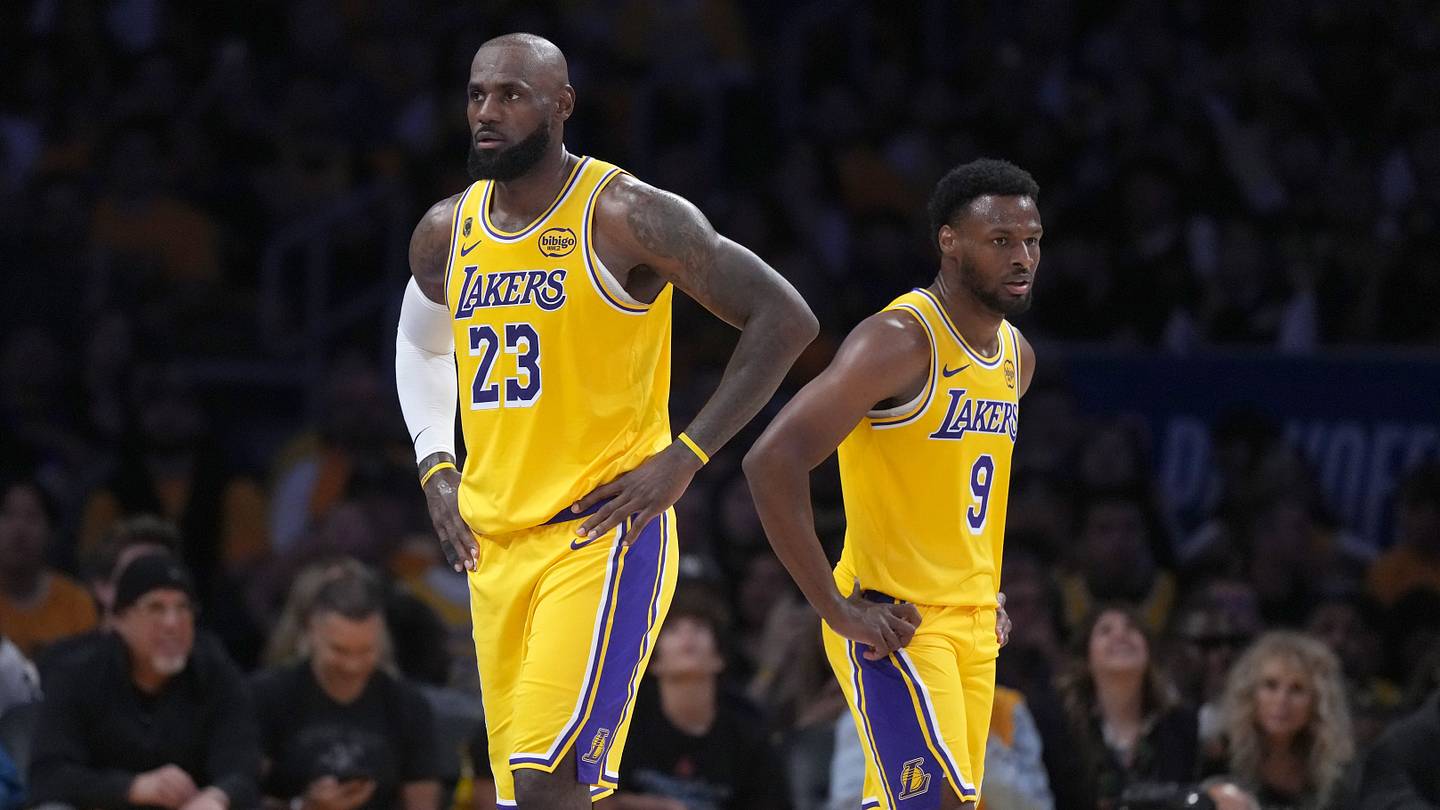
Rich Paul, the founder of Klutch Sports and longtime architect of LeBron James’ off-court empire, went on record this week to identify a single, decisive downside to the superstar’s potential return to the Cleveland Cavaliers. His warning arrives as the NBA free-agency clock ticks toward the summer, adding a new layer to the debate about whether the veteran will ever choose to go back to the market where he first won a championship.
Paul’s point is clear: bringing LeBron back would fundamentally limit the Cavs’ flexibility to build a roster capable of competing with the league’s elite teams. A contract that ranks among the league’s highest would consume a large portion of Cleveland’s salary-cap space, leaving a narrower band for additional pieces. In a league where depth, three-point shooting, and defensive versatility have become prerequisites for playoff success, that constraint could force the franchise into a narrow identity that relies heavily on LeBron’s playmaking and scoring.
From a tactical perspective, the negative Paul highlighted forces a reconsideration of the Cavs’ current roster composition. Cleveland’s existing core, anchored by a promising young point guard and a versatile forward, lacks the elite wing talent that would thrive alongside a player who can dominate the ball for half a game. Adding LeBron without sacrificing future assets would likely require the team to give up role players who can stretch the floor or defend multiple positions, a trade-off that could blunt the team’s ability to execute modern spacing concepts. In short, the Cavs would risk becoming a one-man show, a scenario that would strain both LeBron’s stamina and the team’s strategic versatility.
The broader implications extend beyond the hardwood. The Cavaliers have been in a rebuilding phase for many seasons, emphasizing draft capital and a youthful core. A LeBron return would dramatically shift that timeline, pressuring the front office to accelerate roster upgrades while maintaining cap health. Moreover, the move would signal to other free agents that Cleveland is willing to build around an aging star, potentially affecting the market perception of the franchise’s long-term ambitions. The locker room would also feel the weight of expectation, as teammates adjust to a hierarchy that places LeBron at the apex of both on-court roles and off-court branding.
Looking ahead, the next few weeks will determine whether Paul’s identified downside becomes a decisive factor. If Cleveland can secure additional cap space through trades or creative contract structuring before the free-agency moratorium ends, the obstacle may be mitigated. Otherwise, the franchise may have to accept a roster built around a single marquee name, a gamble that could either rejuvenate the fan base or cement a prolonged period of mediocrity. Ultimately, the conversation about LeBron’s next chapter is as much about legacy as it is about logistics, and Paul’s warning forces fans and executives alike to weigh the allure of a homecoming against the practicalities of building a championship-ready team.

 Cleveland Cavaliers