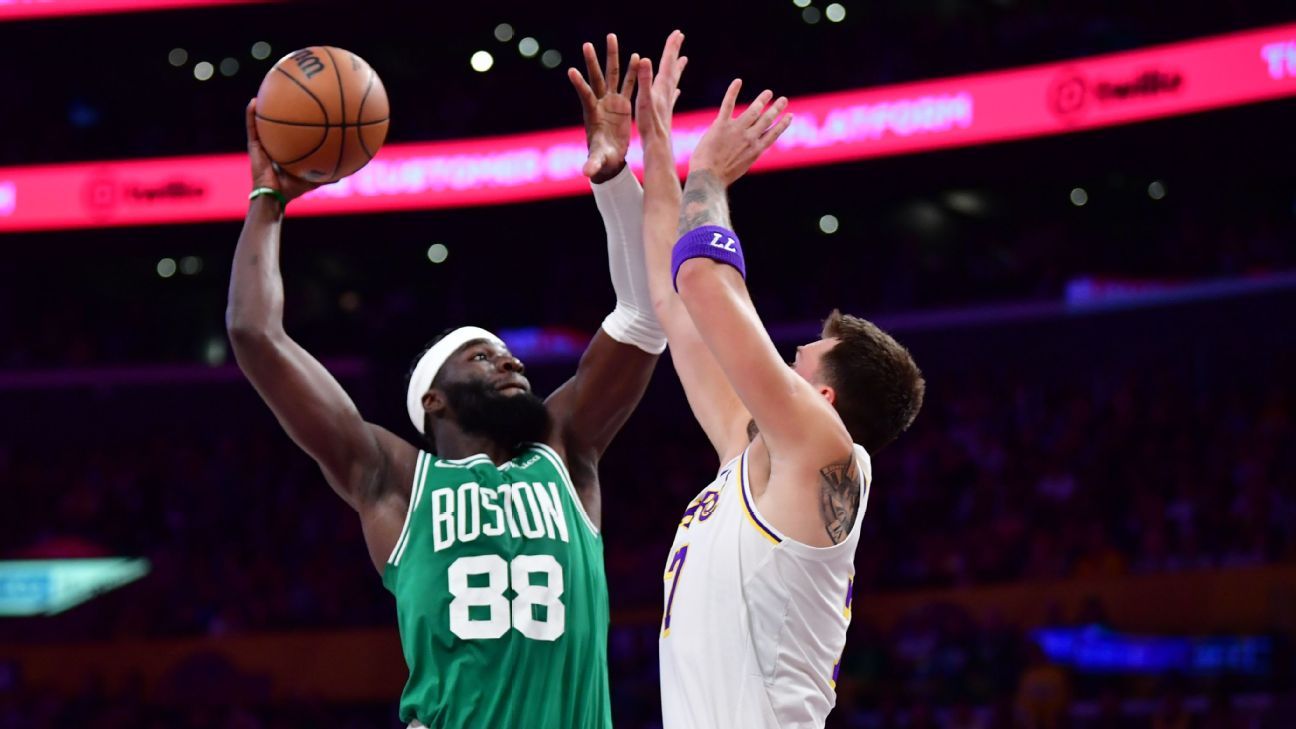
The Boston Celtics officially entered a new era on July 1, 2026, with the blockbuster trade of Jaylen Brown to the Philadelphia 76ers. In exchange for the 2024 Finals MVP, Boston received Paul George and four future draft picks: two first-round selections and two second-round picks. This move, coming after a disappointing playoff exit to the 76ers in the first round, signifies a seismic shift in the Celtics' championship aspirations and roster construction.
Financially, this trade has massive implications for both franchises, particularly for Boston. Brown was playing under a five-year, $304 million supermax extension he signed in 2023, with a scheduled salary of $57,078,728 for the 2026-27 season. Jayson Tatum, meanwhile, signed a five-year, $314 million supermax extension in July 2024, making his salary $58,456,566 for the 2026-27 season. The Celtics now project to be approximately $1.26 million over the second apron for the 2026-27 season, a threshold set at $221.686 million, triggering severe roster-building penalties. George's contract for next season is $54 million.
The basketball ramifications are stark. Boston has traded away one of the league's elite two-way wings and its primary scorer for much of last season while Tatum was rehabbing from a torn Achilles. While Paul George, at 36 years old, still offers a high-level two-way game when healthy, his availability has been a concern, missing 25 games last season due to a drug policy violation and undergoing knee surgery in the prior offseason. The Celtics' offensive scheme, which often leveraged Brown's downhill attacking and improved playmaking, will now lean even more heavily on Tatum. The question becomes whether George can consistently provide the secondary creation and defensive versatility that Brown did, especially in critical playoff moments.
This trade also reflects a potential philosophical shift within the Celtics' front office. Brad Stevens, now the lead decision-maker, inherited the Tatum-Brown core that brought the franchise a championship in 2024. The acquisition of four draft picks signals a desire to replenish future assets, a stark contrast to the win-now mentality that has defined Boston's recent past. This move also means the Celtics will be operating under the stringent second-apron rules, forcing a more conservative approach to roster depth.
Looking ahead, the Celtics' immediate future hinges on Tatum's ability to shoulder an even greater offensive burden and George's health. The team will need to maximize the value of their newly acquired draft capital in the coming years. Their current roster for 2026-27 includes key players like Derrick White, Sam Hauser, and Payton Pritchard, all on varying contract structures. The new collective bargaining agreement's second apron restrictions will make it challenging to add significant talent through free agency, meaning Boston will likely need to rely on internal development, shrewd minimum signings, and leveraging those draft picks to build around Tatum and George for another championship push.
 Boston Celtics