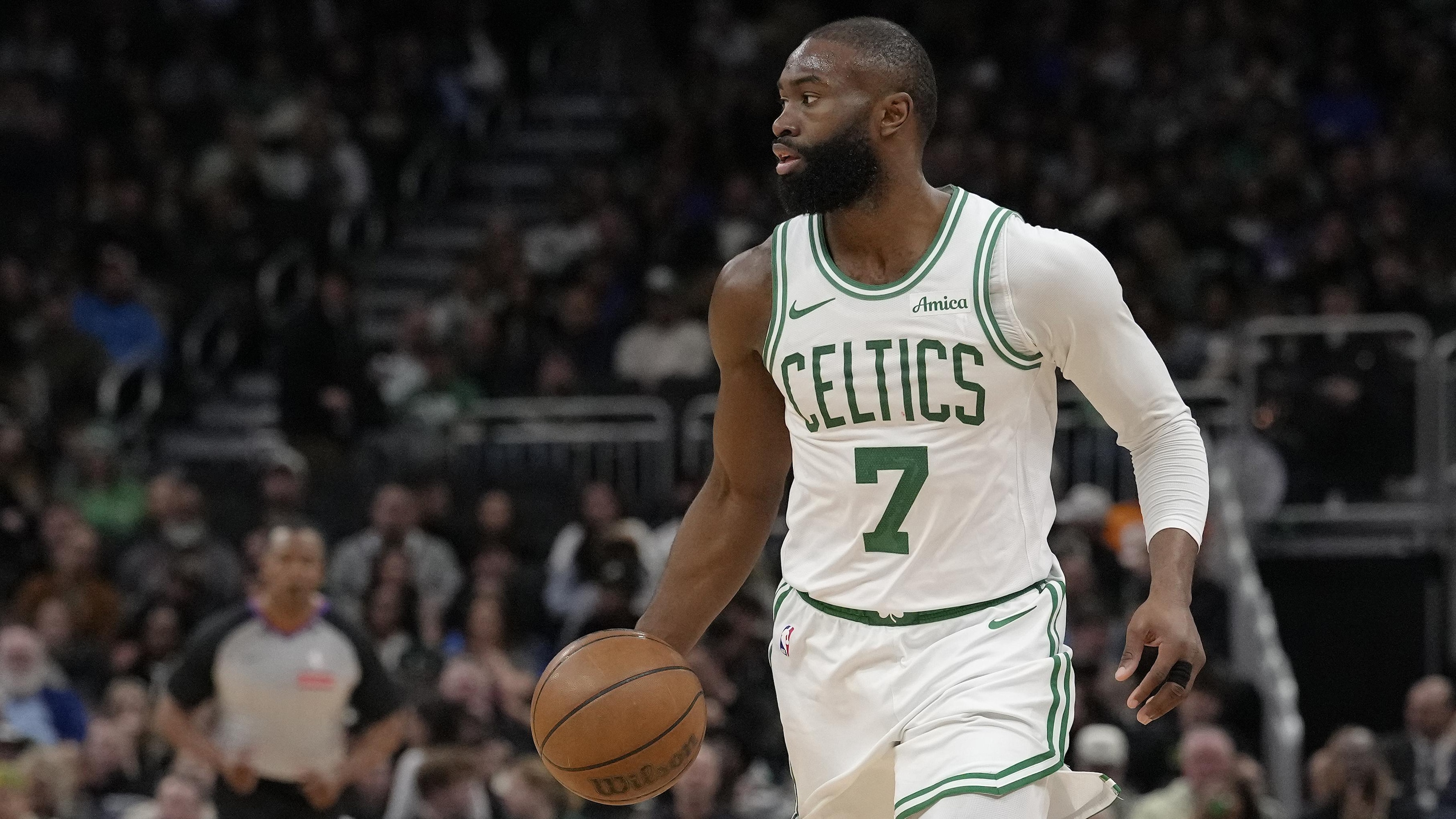
The Boston Celtics find themselves at the center of a broad trade conversation about their 2024 NBA Finals MVP and five-time All-Star Jaylen Brown. The Toronto Raptors, Brooklyn Nets, Charlotte Hornets and Atlanta Hawks have all signaled interest. The Los Angeles Clippers and Denver Nuggets have considered him internally. The Portland Trail Blazers stand out as the side most frequently described as actively pursuing Boston's Jaylen Brown.
Boston remains engaged in trade discussions centered around Brown after including him in an offer for Giannis Antetokounmpo. The New Orleans Pelicans, Houston Rockets and Orlando Magic have shown no desire to pursue him. Any deal must respect salary-matching rules. Boston would likely target young assets such as Donovan Clingan or Toumani Camara from Portland to fill future front-court needs. Portland appears open to including Scoot Henderson and Shaedon Sharpe while keeping Deni Avdija out of any package.
Charlotte's exploratory conversations have included rerouting Naz Reid to the Celtics in a hypothetical swap. Miles Bridges would need to be included for salary-matching purposes. Reid had surfaced earlier as a target for Boston in a separate deal involving the Minnesota Timberwolves. The volume of interest could pressure Boston to move. Yet the Celtics cannot afford to trade Brown simply to trade him and take a step backward on the court.
From a basketball perspective, Boston's roster is already built around a versatile two-guard core. Brown's defensive intensity and ability to create off the dribble would leave a noticeable void. Removing him would open a scoring gap that emerging wings might struggle to fill immediately. It would also weaken perimeter defense against elite opponents. Adding a high-upside front-court prospect could accelerate the timeline. The risk remains losing a proven playoff performer for younger, untested talent.
Brad Stevens faces a clear dilemma. He cannot leverage Brown for a star of Giannis Antetokounmpo's caliber because no comparable name sits readily available. The market for a proven two-way wing like Brown appears narrower than it was a season ago. The Celtics have shown a preference for sustainable growth through young, controllable assets. This pattern aligns with their recent moves and reflects the challenge of maintaining locker-room chemistry around an established leader.
The next few weeks will reveal whether Boston pivots toward a draft-centric approach or commits to its current core. The Celtics must evaluate packages built around prospects and salary-matching pieces. Interest spans both the Eastern and Western Conferences. A multi-team negotiation could emerge if talks advance. Absent a strong enough offer, Boston is expected to keep Brown and continue building around his presence as a franchise anchor.

 Boston Celtics