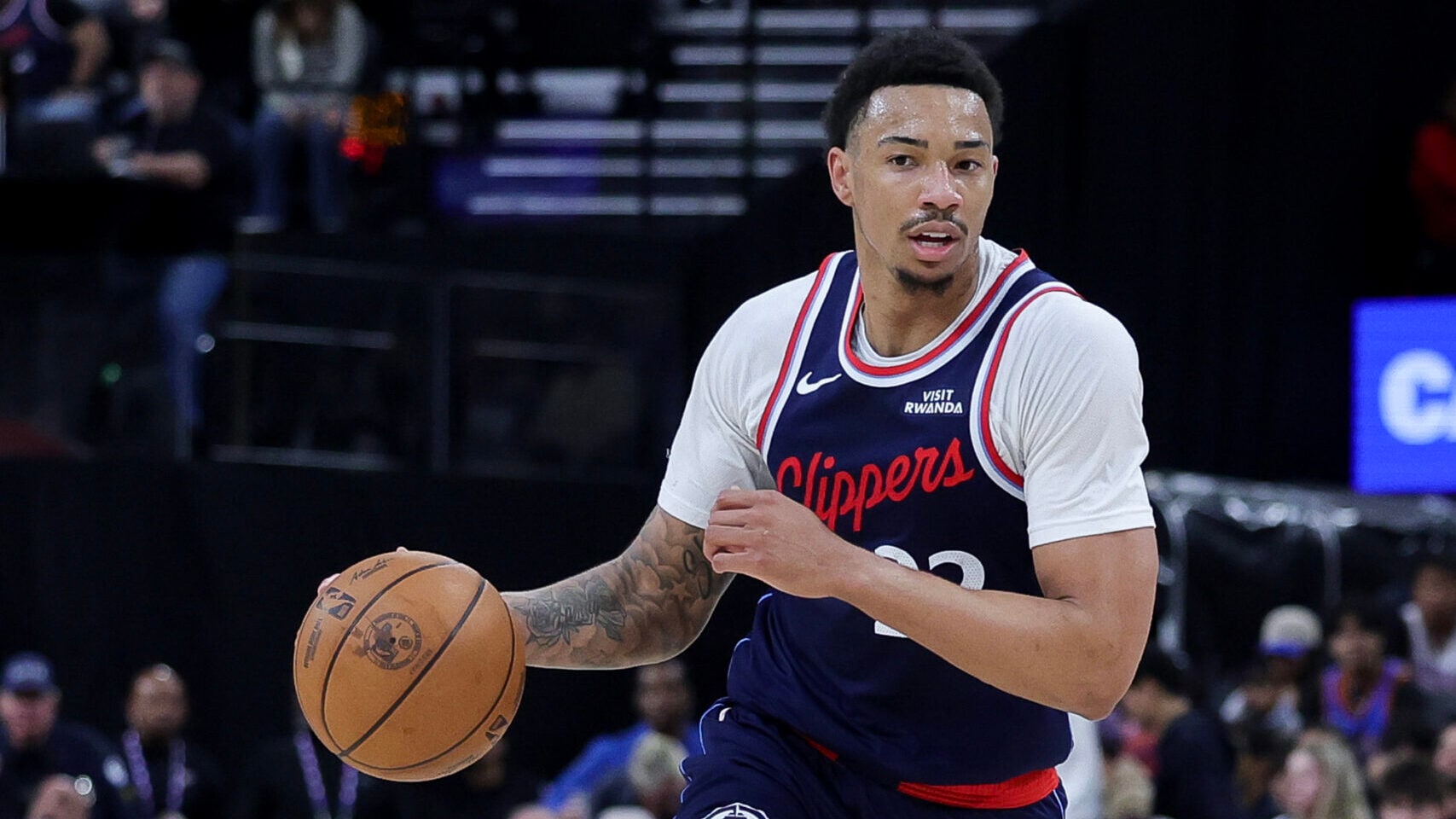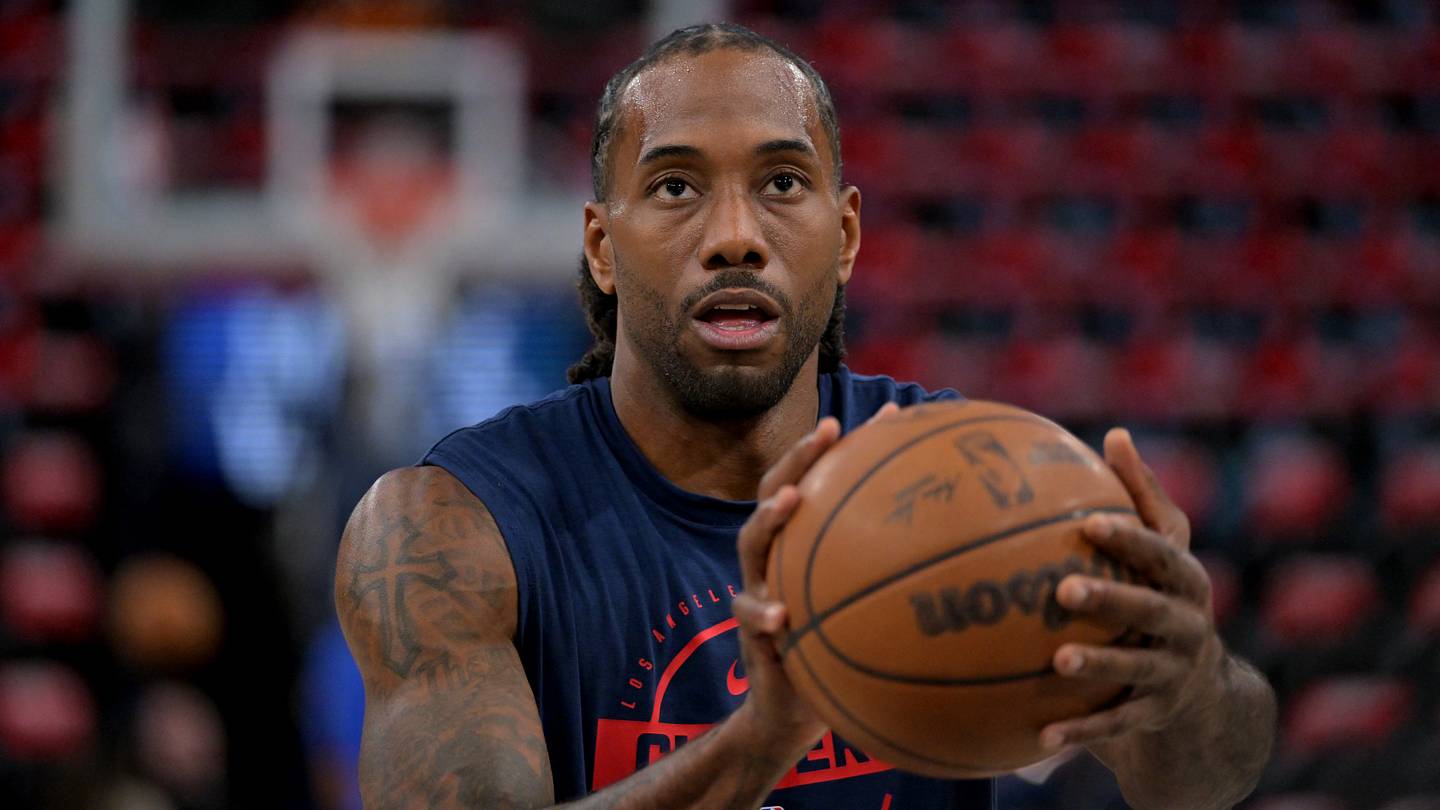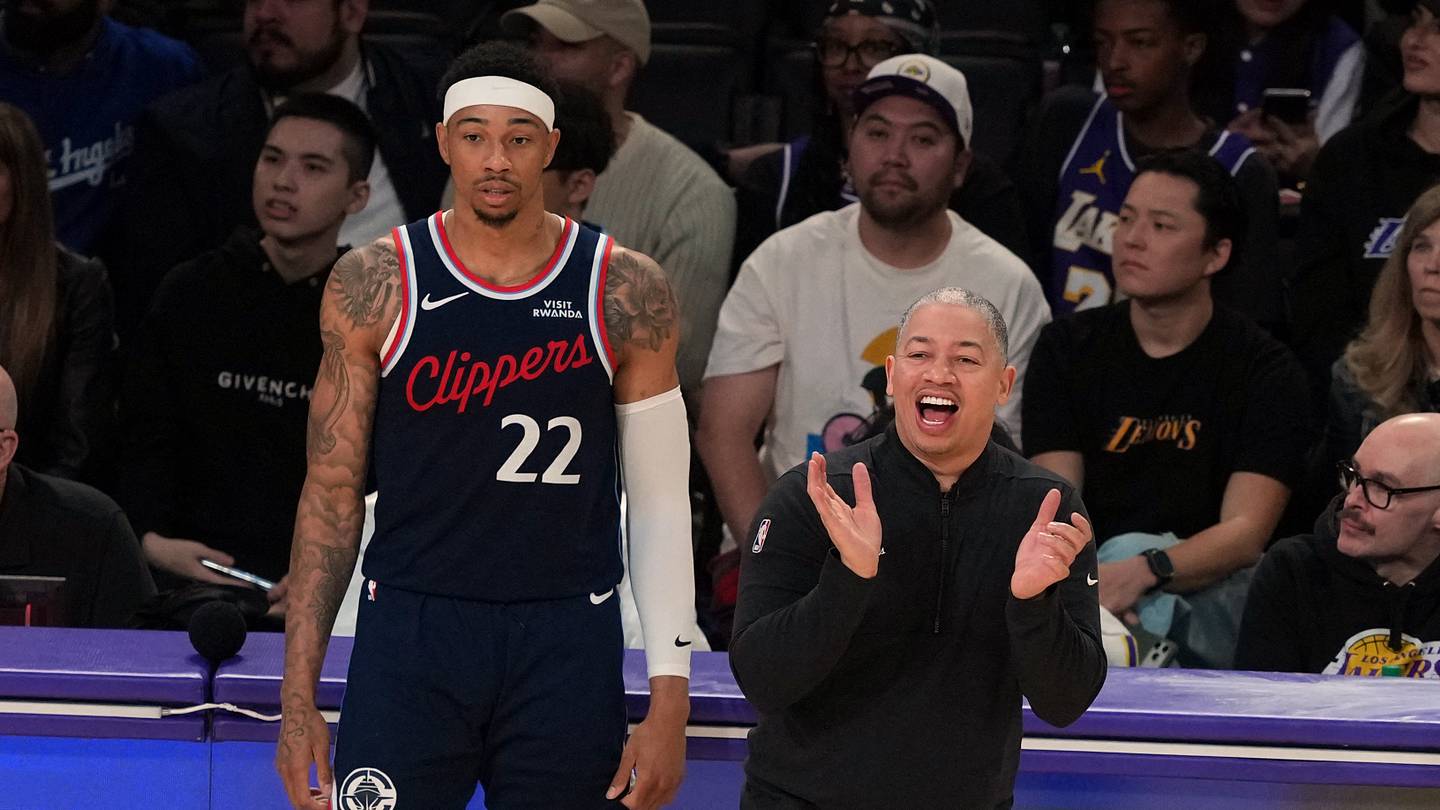
The Clippers are at a crossroads. The seven-year tenure of Kawhi Leonard has concluded, marking a definitive end to an era defined by high expectations and ultimately, unfulfilled championship aspirations. This organization is now charting a radically different course, turning a new leaf towards a younger, more dynamic future. The shift signals a clear pivot from immediate contention to long-term development.
Amidst this sweeping organizational reset, the re-signing of Jordan Miller stands as an unexpected thread of continuity. While the core of previous Clippers rosters has largely departed, leaving a significant void in veteran presence, Miller's return offers a familiar face within a rapidly changing landscape. It’s a subtle yet significant move in the context of a franchise recalibrating its identity.
The path to Miller's new deal involved a series of strategic maneuvers by the Clippers front office. They initially declined a $2.5 million team option on him for the upcoming season, a decision that might have surprised some observers. However, this was swiftly followed by extending a qualifying offer, securing his status as a restricted free agent. This sequence signaled a clear intent to retain him for the long term.
The expectation within the league was that the Clippers aimed for a multi-year extension, and that anticipation has now materialized. According to ESPN's Shams Charania, Miller has signed a three-year contract valued at $15.3 million. A critical element of this agreement is that only the first year is fully guaranteed, providing the Clippers with crucial financial flexibility in the subsequent seasons.
This contract detail is significant, reflecting a cautious yet committed approach to building the roster. It allows the team to evaluate Miller's continued development without locking into a long-term salary commitment if his trajectory changes. This kind of nuanced deal is typical for a team navigating a significant transition period, balancing potential and prudence.
The implications of Miller's re-signing stretch beyond just his individual contract. With this move, he becomes the longest-tenured player currently on the Clippers' roster. It's a remarkable turn for a player who was just a second-round pick in the 2023 NBA Draft, highlighting the sheer scale of the turnover that has reshaped the team in such a short timeframe.
Few would have predicted that a player selected so recently would hold such a distinction within three years of his draft night. This fact alone underscores the extensive departure of veteran talent and the dismantling of the previous core. The roster is indeed slated to look "very different next season," as the organization pivots sharply towards its future.
The Clippers' strategic vision is now firmly fixed on youth and dynamism, moving away from the "win-now" mentality that defined the Leonard era. This shift necessitates a roster composed of players who align with a developmental timeline and who can grow together. Miller, as a young player with potential, fits this new organizational blueprint.
The departure of much of the team's core over the past year has created a profound lack of continuity. This isn't merely about losing star power; it's about the erosion of institutional knowledge, established locker room dynamics, and on-court synergy built over seasons. Rebuilding that cohesion from scratch presents a significant challenge for any franchise.
In this environment, even a single player with a year of organizational familiarity, like Miller, takes on an outsized importance. While he may not be a veteran in the traditional sense, his prior experience within the Clippers' system offers a minor bridge to a recent past. He understands the facility, the staff, and the daily rhythms of the organization.
Miller's role, therefore, transcends mere on-court production in the immediate future. He represents a familiar face in a locker room that will be populated by many new arrivals and younger prospects. This internal familiarity can be invaluable for integrating new players and fostering a nascent team culture. It’s a subtle form of organizational glue.
The decision to decline his team option, then tender a qualifying offer, and ultimately sign him to a flexible, multi-year deal showcases the Clippers' deliberate approach to asset management. They preserved their ability to negotiate, secured his restricted free agency rights, and then structured a contract that protects their long-term cap flexibility. This reflects smart roster-building in a transitional phase.
This measured financial commitment, with only the initial year guaranteed, provides the Clippers with significant leverage. Should Miller exceed expectations, his value on this contract becomes a tremendous asset. Conversely, if his development stalls, the team retains the option to move on without significant future salary implications, maintaining precious salary slots.
For Miller himself, this contract represents a substantial opportunity to solidify his place in the league. He now has a runway, albeit with performance incentives baked into the team's financial flexibility, to demonstrate his growth and potential. His role on a developing, younger squad could be more prominent than it might have been on a veteran-laden contender.
The fan stakes for the Clippers have fundamentally shifted. No longer are they focused on championship parades in the immediate horizon. Instead, the focus has moved to player development, strategic asset accumulation, and the slow, often arduous, process of building a sustainable contender. Miller's journey will be one small part of that larger narrative.
The road ahead for the Clippers will be marked by experimentation, evaluation, and the patient cultivation of talent. The re-signing of Jordan Miller, making him the team's longest-tenured player, is not merely a transaction. It's a symbol of this profound organizational pivot - a small piece of continuity in a team otherwise defined by its bold and necessary reimagining.
 LA Clippers