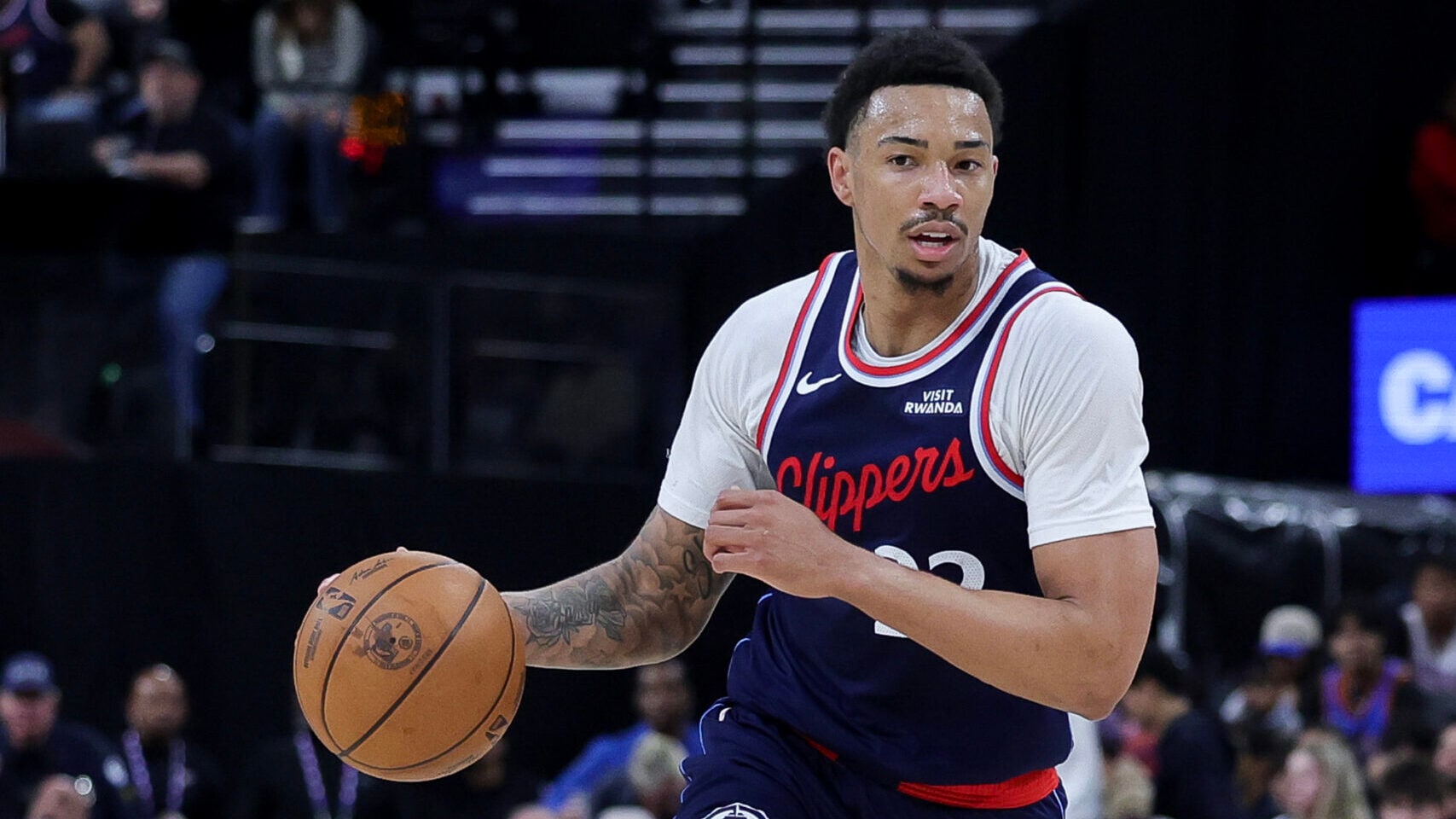
The Los Angeles Clippers have entered a new era after sending Kawhi Leonard back to the Toronto Raptors. The trade clears a path for a younger, more dynamic roster to take shape in a city that now hosts two NBA franchises. While the club still needs time to become a dangerous playoff team, the front office has reason to be optimistic about the pieces it now controls.
For the first time in several seasons, the Clippers possess a blend of young talent and draft capital that gives them genuine flexibility. The core of point guard Darius Garland, forward Keaton Wagler and veteran wing Brandon Ingram provides a solid foundation, but the roster still shows significant gaps in the frontcourt. The organization’s scouting reports point to a need for added size, athleticism and defensive versatility if the team hopes to compete consistently on both ends of the floor.
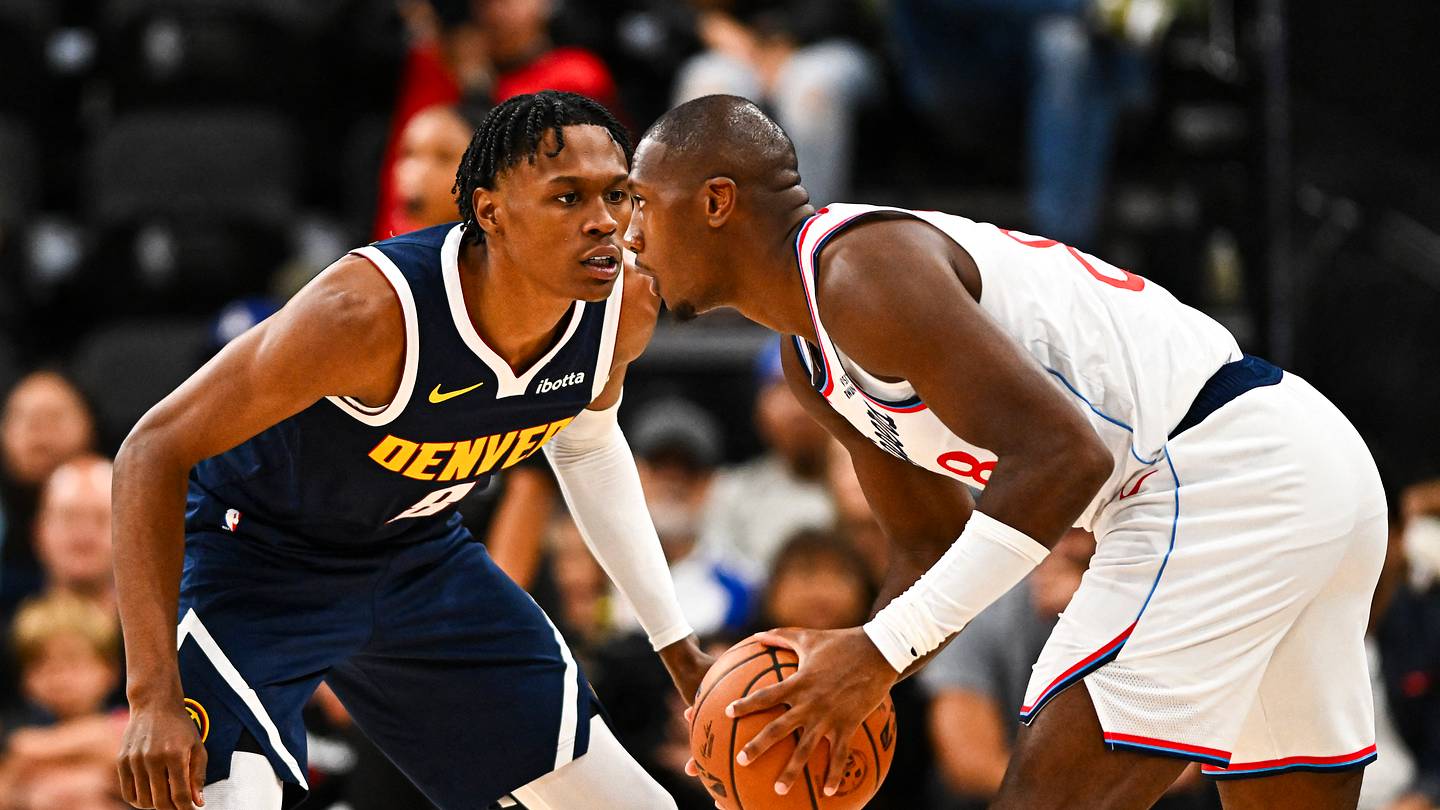
One of the most concrete moves on the horizon is the pursuit of a 23-year-old wing Peyton Watson. Watson entered the league as a late-first-round pick and is now a restricted free agent, meaning any team that signs him to an offer sheet must be prepared for the Clippers to match. His youth and position align with the club’s desire to inject fresh athleticism into a wing rotation that has struggled with defensive consistency.
Financially, the Clippers sit with roughly $22 million in salary-cap space and a $9.4 million mid-level exception. Those figures give the franchise a rare window to extend a meaningful offer to a restricted free agent without sacrificing the flexibility needed to address the front-court holes identified earlier. The market at this point offers few free agents who match the value of that cap space, making Watson a logical target for a team looking to maximize its assets.
Adding Watson would reinforce the broader narrative the Clippers have been building since the Leonard trade: a focus on youth, controllable contracts and high-upside talent rather than chasing marquee free agents. By pairing a young wing with the existing core, the organization can continue to develop its draft assets while staying competitive in a Western Conference that rewards defensive versatility and depth.
The procedural step is simple. Once the offseason moratorium lifts on July 6, the Clippers can file an offer sheet for Watson. Any rival team that wishes to retain him will have a limited window to match the offer. If the sheet goes unchallenged, Watson will join a roster that still retains enough cap space to pursue a big man via free agency or trade, keeping the club’s rebuilding momentum alive.
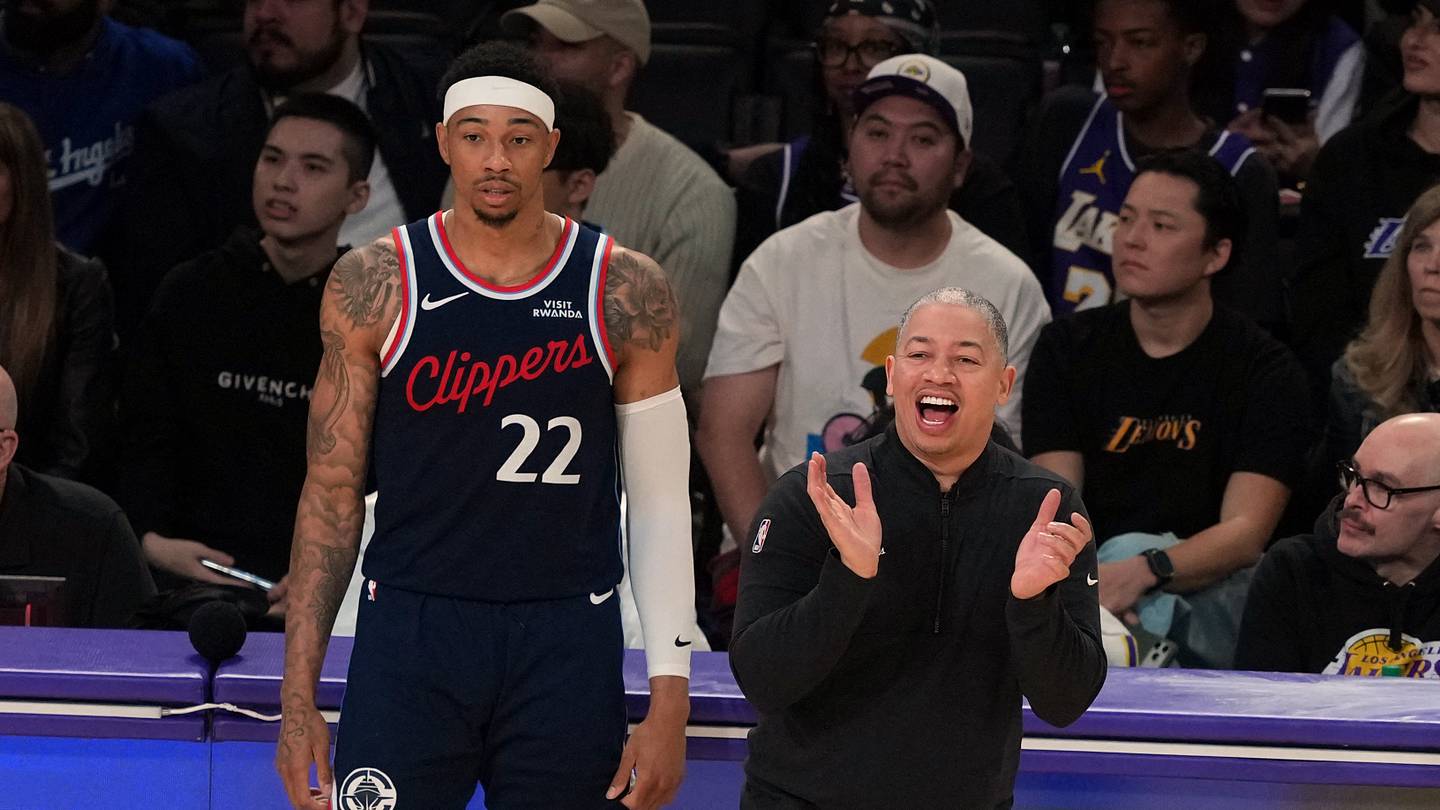
 LA Clippers