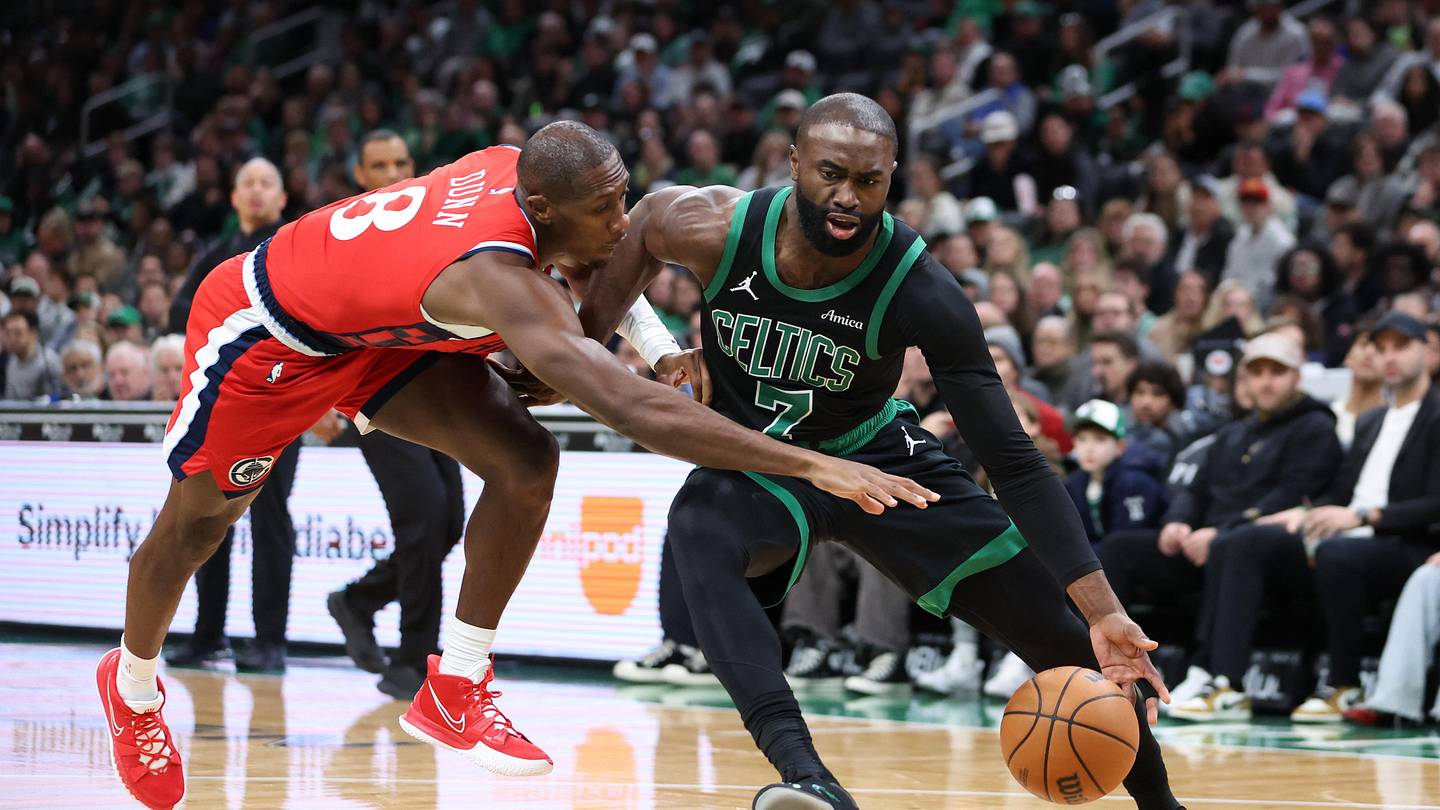
The Los Angeles Clippers have officially moved Kawhi Leonard to a new destination, ending a partnership that began with a high-profile acquisition. The front office framed the deal as a "total reset," echoing a sentiment that the Leonard experiment had become the franchise’s most problematic acquisition. By cutting ties with the former All-Star forward, the organization signals a willingness to rewrite its short-term trajectory.
Leonard’s time in Los Angeles was marked by a series of mismatches between his skill set and the team’s preferred style of play. While his scoring ability remained evident, the Clippers never fully integrated his game into a cohesive system. Injuries limited his minutes, and the roster never coalesced around his strengths. The combination of limited on-court impact and the inability to build a complementary supporting cast contributed to the perception that the trade for Leonard was the worst acquisition in team history.
With the trade completed, the Clippers are now free to pursue a roster built around flexibility rather than a single marquee name. The organization’s emphasis on a "reset" suggests a shift toward younger talent, versatile role players, and a salary structure that can accommodate multiple moves in free agency. By shedding the long-term commitment tied to Leonard, the front office creates space to explore a broader range of options ahead of the upcoming season.
The move mirrors a growing trend across the NBA, where teams burdened by large contracts elect to trade them for future assets or cap relief. In recent years, several franchises have opted to exchange star salaries for draft picks or expiring contracts, prioritizing flexibility in a salary-cap environment that rewards strategic roster management. The Clippers’ decision aligns them with this cohort, indicating a belief that long-term competitiveness stems from depth and adaptability rather than a single high-profile player.
Looking ahead, the Clippers appear poised to be active in the free-agency market, targeting a blend of playmakers and versatile wings that can mesh with a faster, three-point-oriented approach. The draft capital acquired in the deal will likely be used either to select emerging talent or to serve as currency in future trades. If the front office can lock in a core of complementary pieces before training camp, the "total reset" could translate into a competitive roster within a single season.
Ultimately, the trade underscores a broader lesson for Los Angeles: acquiring a superstar does not guarantee success without a supporting cast and a scheme that leverages his strengths. By moving on from Leonard, the Clippers acknowledge that the previous gamble was misaligned, and they now double down on a collaborative, cap-friendly strategy aimed at rebuilding the franchise.
 LA Clippers