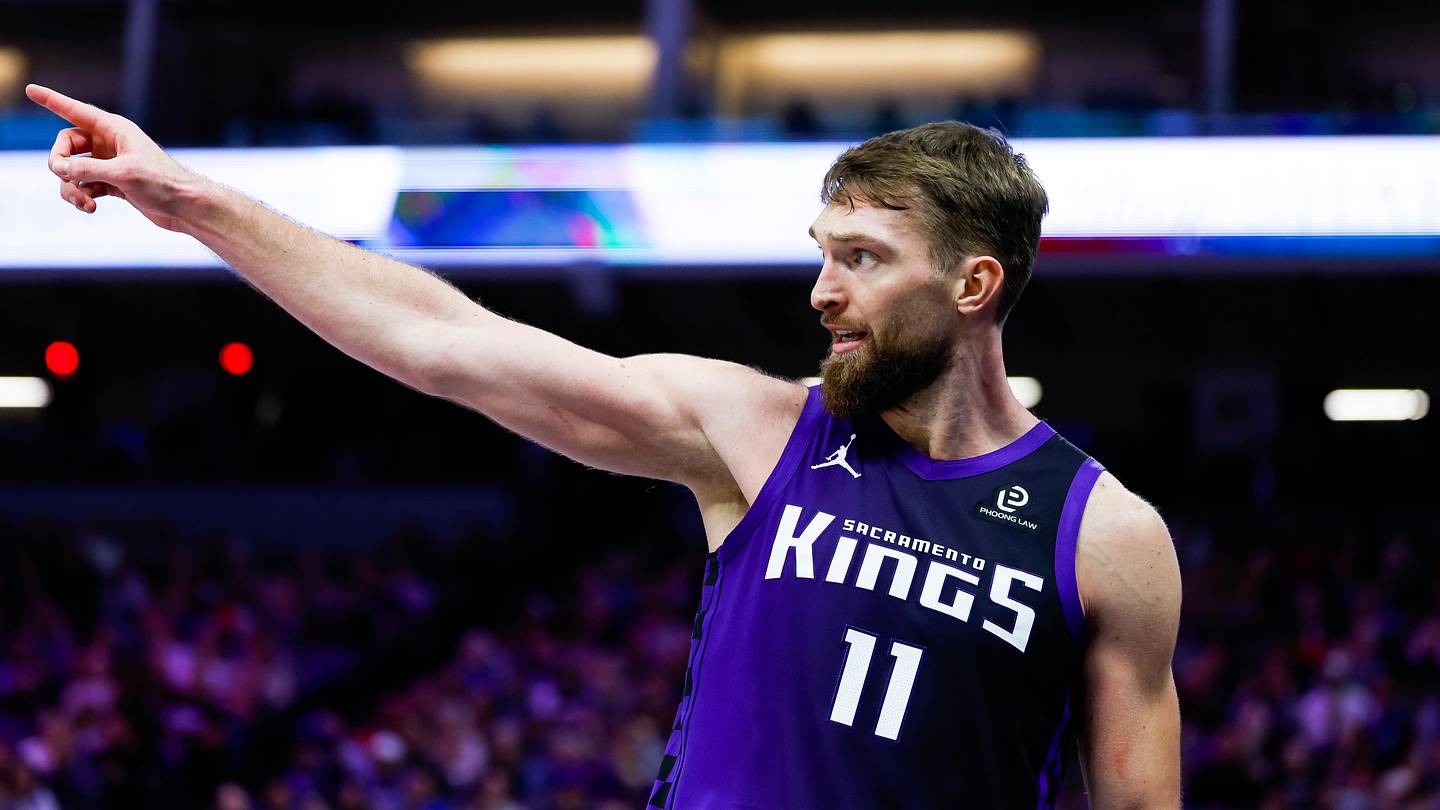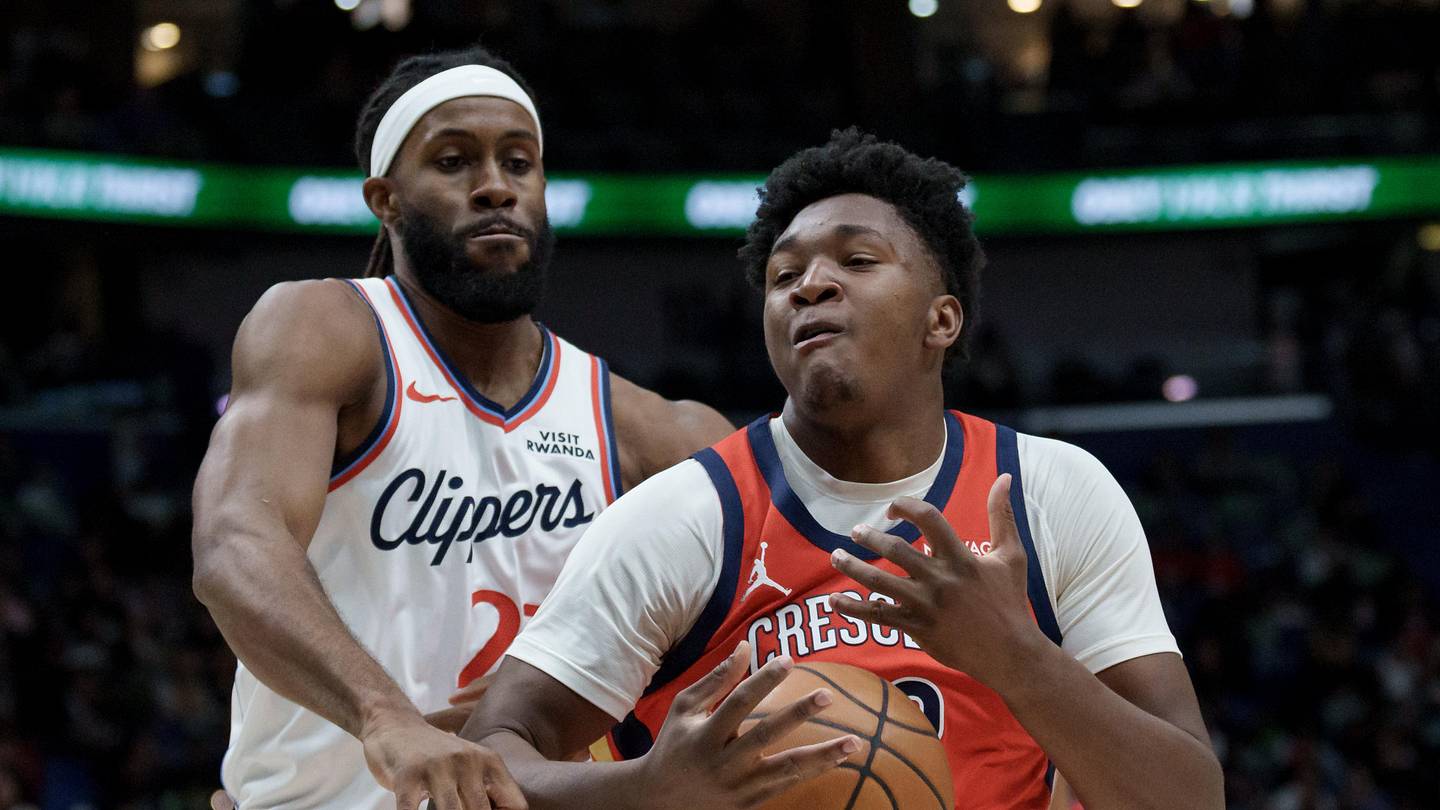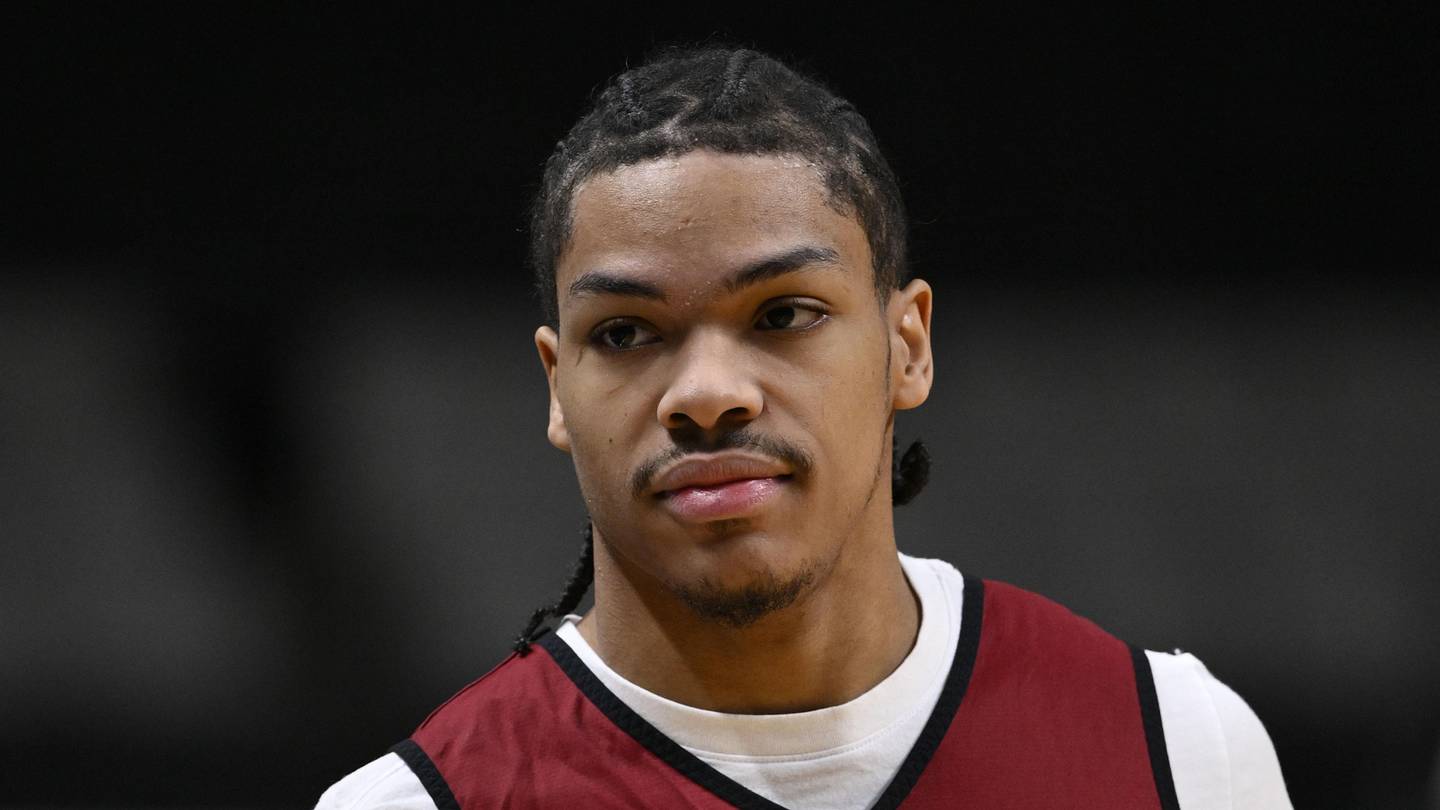
The Sacramento Kings need a long-term point guard. Darius Acuff Jr. represents the type of quick, crafty lead guard who can create off the dribble and push tempo. Sacramento clearly values him highly enough that the entire league knows the team wants to select him with the No. 7 pick in the June 23 draft.
That widespread knowledge gives the Los Angeles Clippers leverage with the No. 5 selection. Any deal to move up two spots would require Sacramento to send its future first-round pick from the Minnesota Timberwolves to Los Angeles. The price proves too steep for the minimal gain involved. The top four prospects sit in a clear tier above the rest of the field, which means the difference between the fifth and seventh selections carries far less impact than the asset surrendered.
The Minnesota first-rounder projects as a mid-first-round selection in most scenarios. That pick could develop into a rotation player three or four seasons from now. Moving up two spots rarely shifts the range of available players enough to justify giving up such value. The Kings stand a reasonable chance of landing Acuff at No. 7 without mortgaging future flexibility.
Sacramento general manager Scott Perry coached Acuff's father at Eastern Kentucky. The personal connection adds an extra layer to the team's interest in the Arkansas prospect. Yet that tie does not alter the fundamental math of asset cost against positional need. Rival teams recognize Sacramento's urgency for a floor general after years of inconsistent backcourt play and will extract maximum value in any potential deal.
The draft sits less than two weeks away on June 23. If the Clippers refuse to move the No. 5 pick without the Minnesota first-rounder, the Kings can simply wait and select the best player available at No. 7. The Brooklyn Nets hold the No. 6 pick and could also enter the picture if they detect Sacramento's urgency to move up.
Staying at No. 7 preserves Sacramento's future assets while still offering a strong opportunity to add the preferred guard if he remains on the board. The Kings must weigh their clear need at point guard against the long-term cost of trading up in a draft that lacks a massive talent drop-off after the consensus top four. Protecting that Minnesota pick allows greater flexibility to address other roster areas in future seasons rather than overpaying for a modest improvement in draft position now.
 LA Clippers