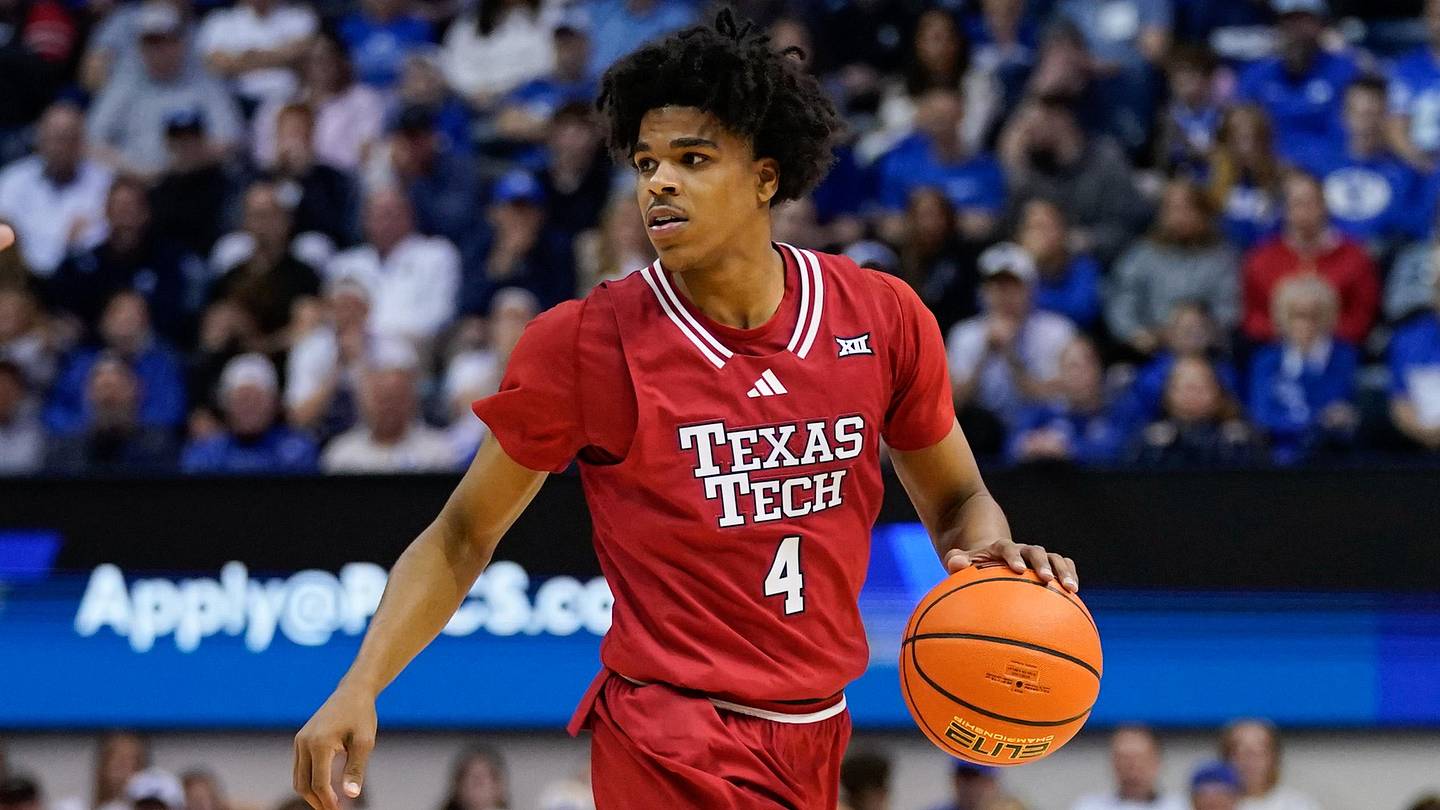
The Detroit Pistons entered the 2025-26 season with a clear upward trajectory. Cade Cunningham developed into an MVP-caliber guard, while rookie Jalen Duren earned his first All-Star appearance and anchored a defense that ranked among the league’s best. Despite those advances, the Pistons fell short in the playoffs, where Duren’s production dipped under pressure and the team lacked a seasoned scorer to finish games.
A trade for nine-time All-Star Kyrie Irving has emerged as the most aggressive option on Detroit’s radar. Irving, now 34, missed the entire 2025-26 campaign after tearing his ACL early last year. He remains under contract for two more seasons and is owed $83 million, with a player option for the 2027-28 season. His elite ball-handling and scoring ability could immediately relieve Cunningham of primary playmaking duties and add a proven late-game threat.

To acquire Irving, Detroit would likely have to part with Duncan Robinson, Isaiah Stewart and Caris LeVert. All three players are on contracts that expire within one to two years, making them attractive salary-matching pieces for Dallas. In addition to the players, the Mavericks are expected to demand the 21st pick in this month’s NBA Draft and two of the three second-round selections they own for next year. The Mavericks’ appetite for draft compensation reflects Irving’s recent injury and the fact that he is past his prime, but they have no immediate cap pressure to force a quick sale.
From a basketball perspective, pairing Irving with Cunningham creates a backcourt that can alternate primary ball-handling responsibilities. Irving’s ability to create off the dribble would free Cunningham to focus on catch-and-shoot opportunities, potentially boosting his efficiency in half-court sets. Combined with Duren’s interior presence, Detroit could force opponents to choose between defending a perimeter threat and a dominant post player, an alignment that complements the Pistons’ defensive identity.
The financial side of the deal is equally pivotal. Adding Irving’s $83 million contract would lock Detroit into a sizable cap hit for the next two seasons, limiting flexibility for free-agency moves. If Dallas insists on more than a single first-round pick, Detroit’s front office may opt to retain its young core and continue building around the defensive framework that has already shown promise. Conversely, a balanced package that satisfies Dallas’s draft demand while preserving key role players could push Detroit from a promising playoff team to a legitimate contender in the Eastern Conference.
Regardless of the outcome, the offseason will revolve around how Detroit balances the immediate upside of pairing Irving with Cunningham against the long-term cost of parting with depth pieces and draft assets. The Pistons’ next moves will define whether they chase a short-term championship window or maintain a sustainable growth model anchored by their emerging young talent.
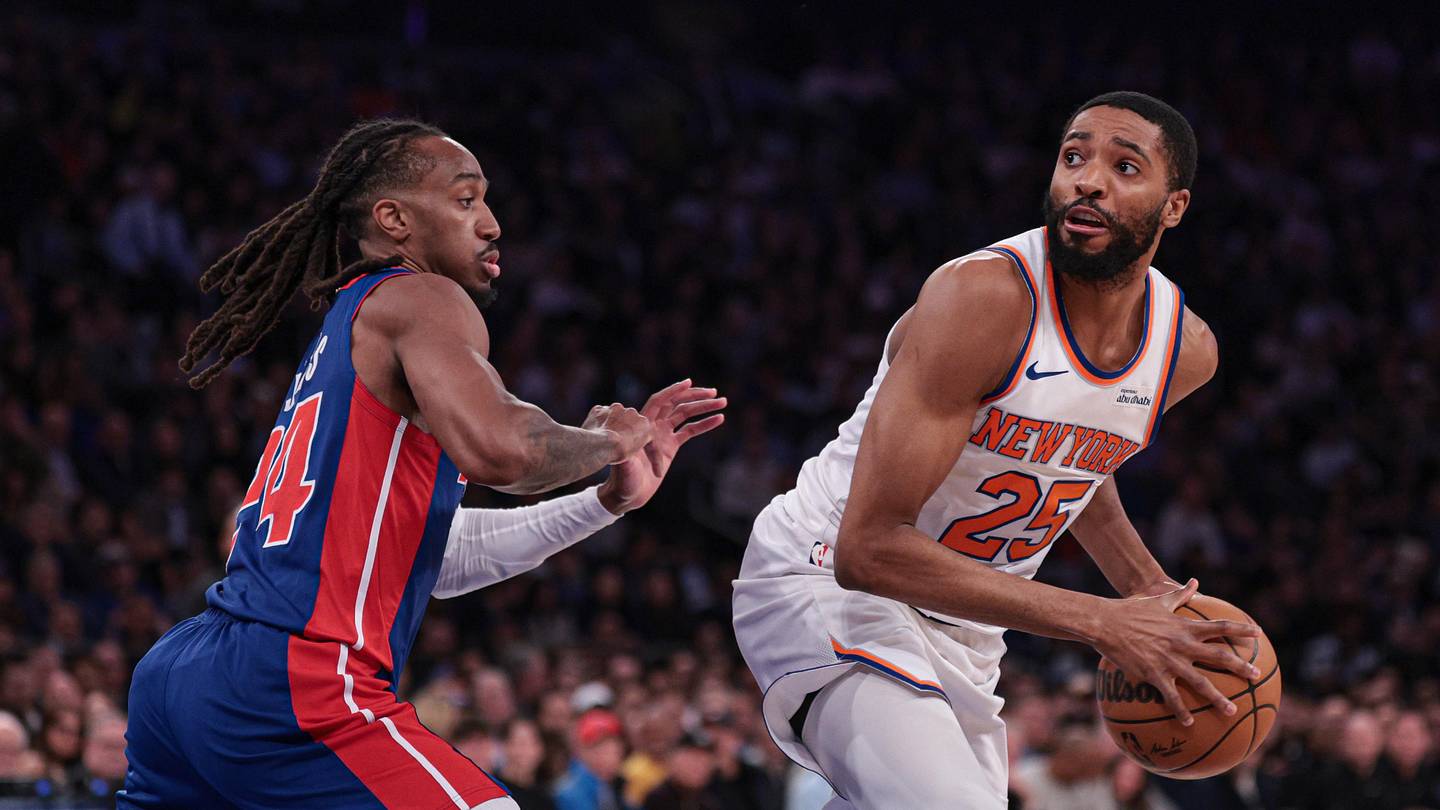
 Detroit Pistons