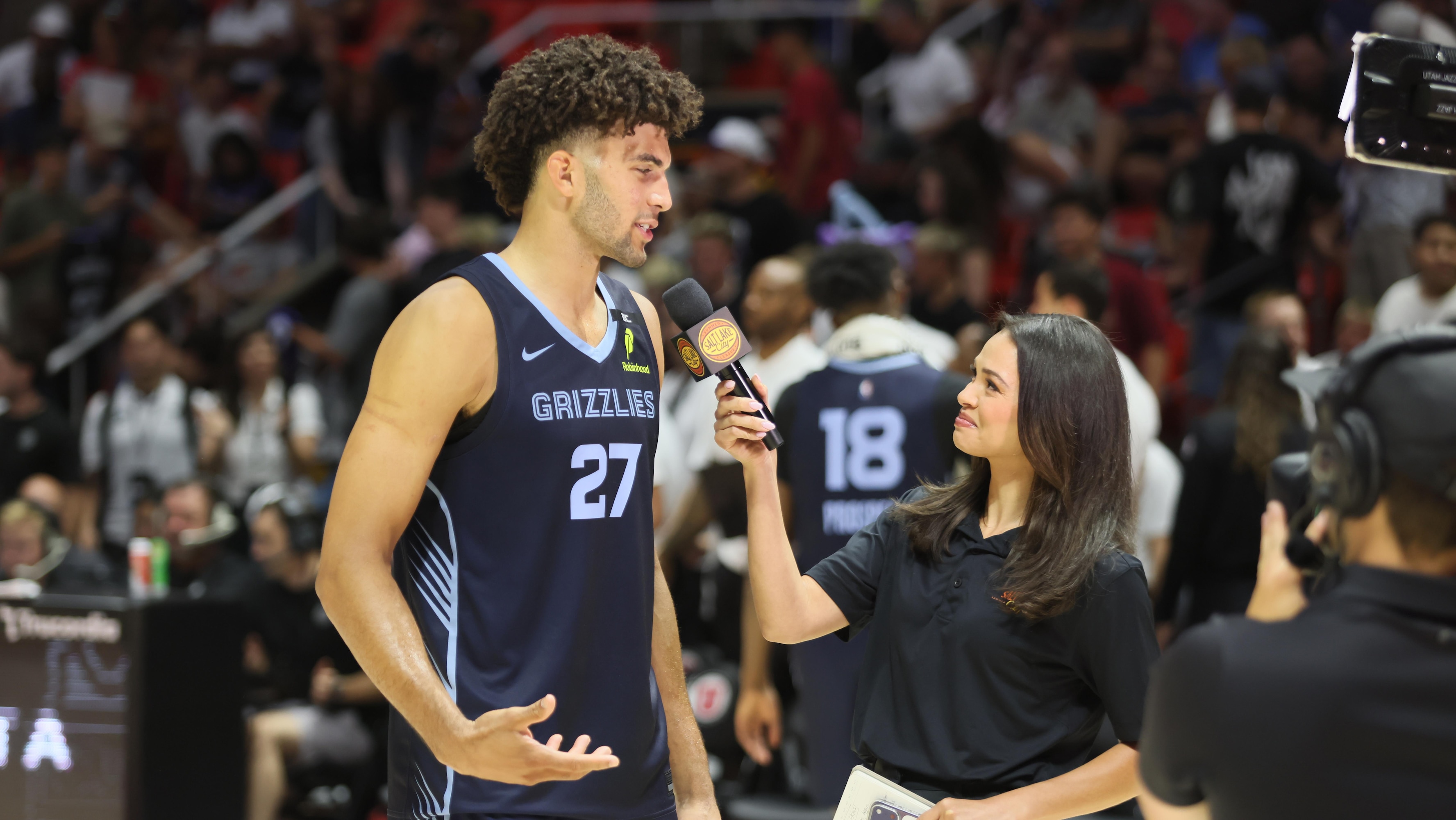
Memphis entered its first Summer League game with a clear intention: let the ball move. From the opening tip, the Grizzlies emphasized quick passes, off-ball cuts and a willingness to find the open man rather than forcing contested shots. The fluidity of the offense reminded observers of the team’s recent emphasis on spacing and versatility, a philosophy that has been woven into the organization’s identity over the past few seasons.
The rookie forward who stepped onto the court embodied that approach. Rather than looking for a quick tally, he consistently prioritized the extra pass, swinging the ball from the perimeter to the paint and back again. His decision-making highlighted a growing confidence among Memphis' young big men to act as facilitators, a role traditionally reserved for guards. By trusting his teammates and setting up high-percentage looks, he helped the collective rhythm stay intact even when the opposition tried to disrupt passing lanes.
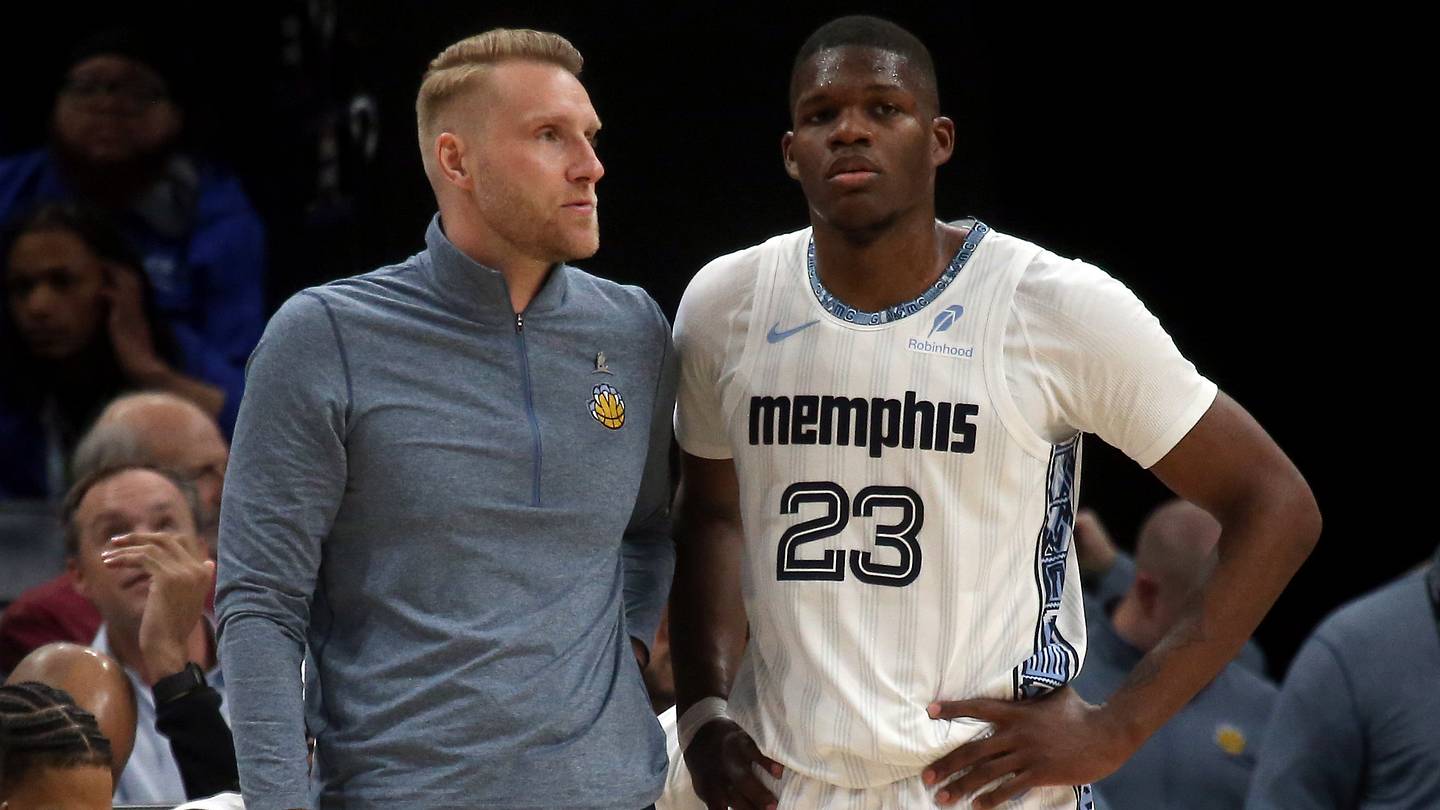
Coach Taylor’s sideline instructions reinforced the unselfish mindset. He repeatedly reminded the squad to “read the defense, then the ball,” a mantra that translated into crisp, purposeful motion. The result was a series of open looks that required little individual heroics, underscoring the value of a team-first approach in developmental settings. The emphasis on ball movement also allowed the Grizzlies to experiment with different lineups, seeing how various combinations of size and skill could coexist within the same offensive framework.
Beyond the passing, the Grizzlies’ defensive intensity set the tone for the contest. By applying pressure on the ball handler and rotating quickly, they forced the opposition into rushed decisions, creating additional opportunities for transition passes. The synergy between aggressive defense and patient offense demonstrated that the team’s identity is not limited to one end of the floor; both sides of the court are being shaped by the same underlying principle of collective effort.
Looking ahead, the lessons from this Summer League debut will likely influence how Memphis approaches its remaining games. The willingness to trust young players with the ball, especially those who can operate both inside and out, suggests a strategic flexibility that could pay dividends in the regular season. As the Grizzlies continue to refine their passing concepts, the early signs point toward a roster that values spacing, movement and shared responsibility, an approach that could keep opponents guessing and elevate Memphis’ offensive potency for years to come.
 Memphis Grizzlies