The Oklahoma City Thunder and Atlanta Hawks completed a trade before the NBA deadline on Tuesday, exchanging assets that reflect each franchise’s current rebuilding timeline. While the headline announcement did not disclose the exact pieces, the move fits a pattern of the Thunder leveraging draft capital to add depth, and the Hawks accumulating future assets as they reshape their roster for the coming seasons.
For Oklahoma City, the transaction underscores General Manager Sam Presti’s focus on maintaining flexibility while adding a veteran presence that can contribute immediately. The Thunder have kept a sizable portion of cap space open, allowing them to explore further moves or retain key players without jeopardizing long-term financial health. Adding a seasoned wing, even without detailed statistics, provides the team with a reliable three-and-D option that can slot into the second unit and help protect the paint against the league’s elite shooters.
Atlanta, meanwhile, continues its strategy of stockpiling picks and youthful talent to fuel a future-focused rebuild. By moving a player or two and possibly a future second-round selection, the Hawks preserve salary-cap flexibility and increase their leverage in upcoming draft discussions. This aligns with head coach Quin Snyder’s emphasis on developing a faster, younger core that can compete in the increasingly perimeter-oriented NBA.
Both front offices appear to be positioning themselves for the final stretch of the regular season while keeping an eye on the forthcoming draft. The Thunder aim to solidify a deeper playoff run by bolstering their perimeter defense, whereas the Hawks look to improve bench depth and maintain the ability to maneuver in free agency. The trade illustrates how deadline deals can serve immediate needs without sacrificing long-term planning.
Looking ahead, the Thunder will likely integrate their new acquisition into the rotation quickly, testing chemistry against upcoming opponents in the West. The Hawks will assess how the incoming pieces fit alongside established stars like Trae Young and John Collins, hoping that added depth translates into a stronger push for playoff positioning. The exchange highlights the balancing act modern NBA teams face: addressing short-term gaps while preserving assets for future growth.
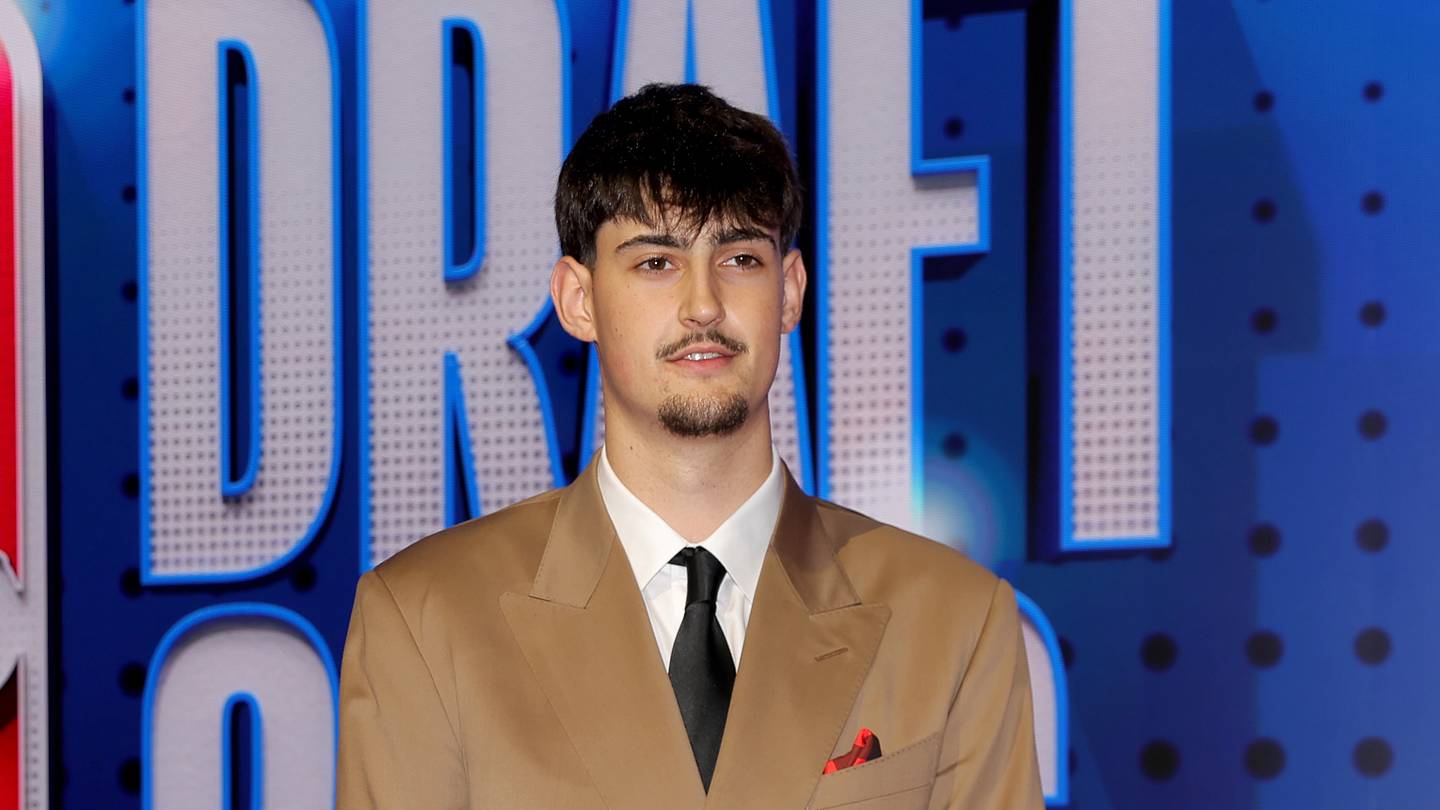
 Oklahoma City Thunder