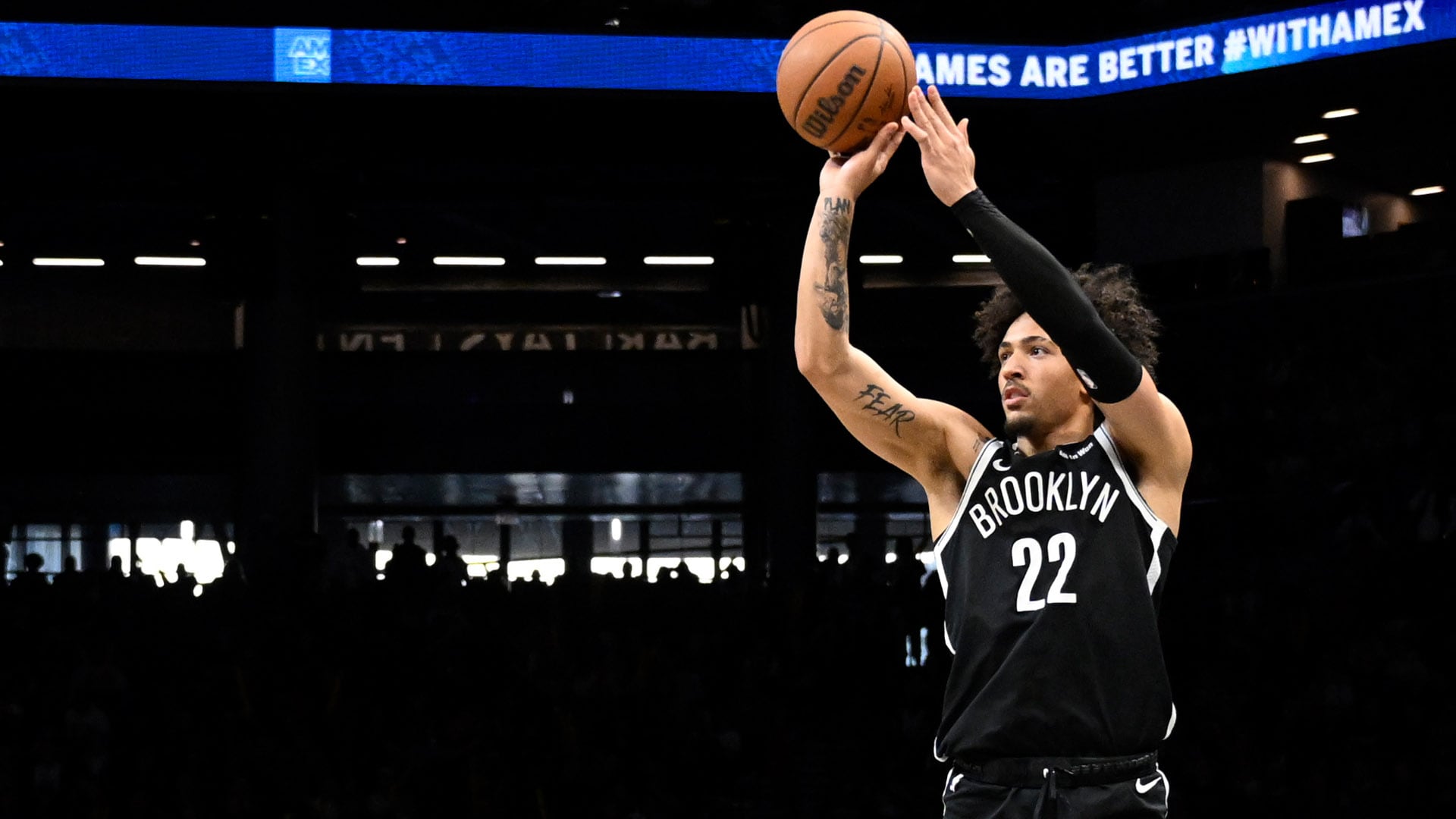
The Atlanta Hawks completed a trade that sent top-draft pick Zaccharie Risacher to Oklahoma City in exchange for perimeter defender Lu Dort. The move cost the Hawks three second-round selections, a price the front office deemed acceptable for a player who can guard multiple positions and stretch the floor. By swapping a future lottery asset for a proven NBA wing, Atlanta cleared a roster spot while adding a veteran who will likely sign an expiring contract.
General manager Onsi Saleh has already locked in the team’s core, Jalen Johnson, Dyson Daniels, Nickeil Alexander-Walker and Onyeka Okongwu, through contract extensions. The trade also brings in Corey Kispert’s long-term salary and a developmental contract for rookie Mo Gueye, allowing the Hawks to absorb the veteran’s cap hit while preserving flexibility for future moves. The three second-round picks used for Dort illustrate a willingness to prioritize immediate defensive improvement over long-term cap commitments.
Looking ahead, the Hawks appear to be scouting three additional veterans on expiring deals. The likely candidates would share two traits: solid wing defense and the ability to create spacing on offense. A seasoned shooter who can still hit a respectable three-point percentage would complement the youthful frontcourt, while a stretch-big with a contract that expires at season’s end could shore up interior rebounding without tying up cap space. Such players would give Atlanta a competitive floor for the remainder of the season while keeping the ceiling open for next-year negotiations.
This approach mirrors the Hawks’ recent pattern of short-term upgrades followed by offseason reassessment. The Dort acquisition corrected a draft misstep and signaled that the front office values tangible on-court impact over draft hype. By consistently targeting expiring contracts, Atlanta maintains a roster that can pivot quickly, forcing rivals to reckon with a team that can add veteran depth without sacrificing future flexibility.
In the weeks before the free-agency moratorium, the Hawks will evaluate whether these veterans can be added before contracts expire. If they succeed, the team will enter the offseason with a clear decision point: re-sign the core, explore extensions, or continue the cycle of short-term signings. Either outcome will shape the Hawks’ competitive window and reflect Saleh’s willingness to gamble on flexible roster construction.