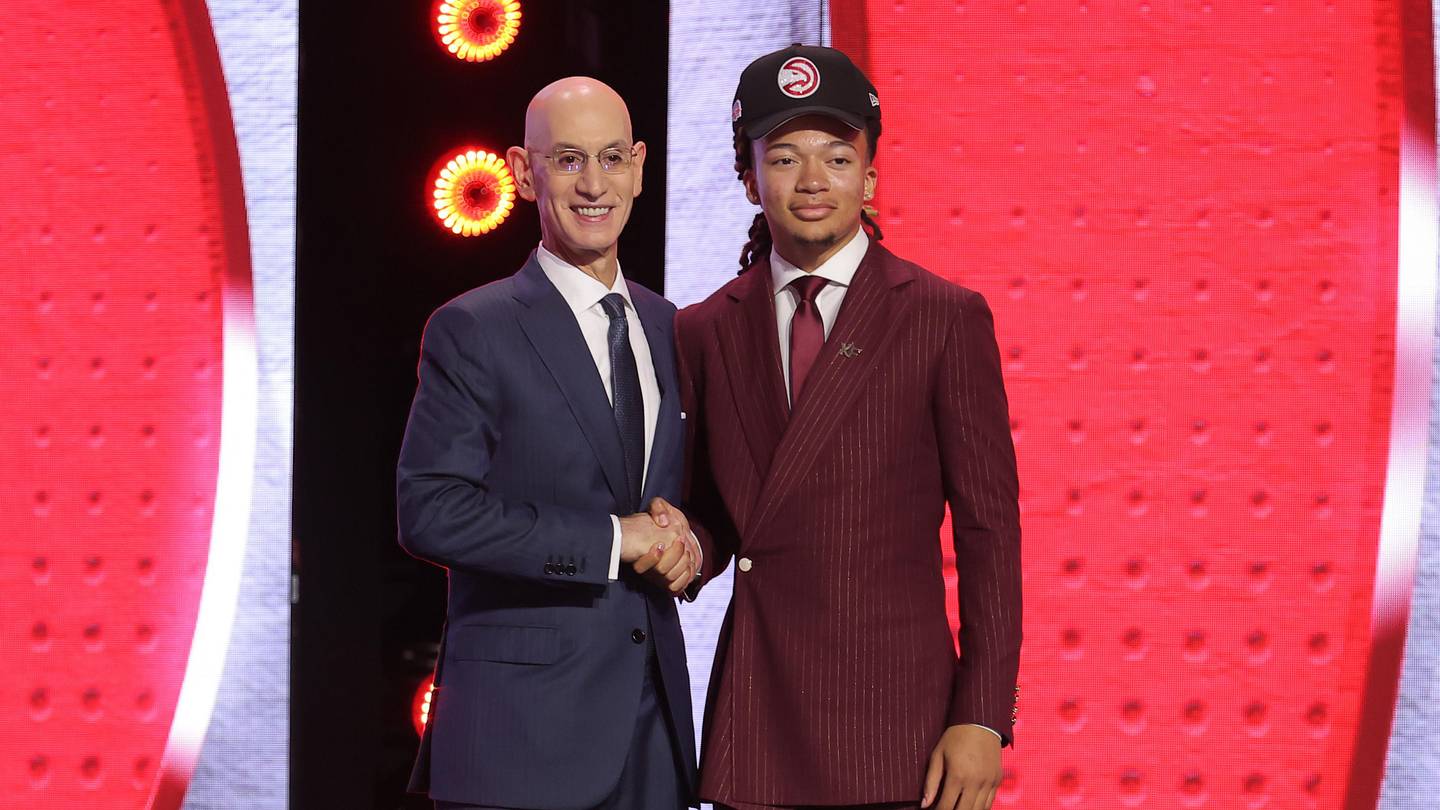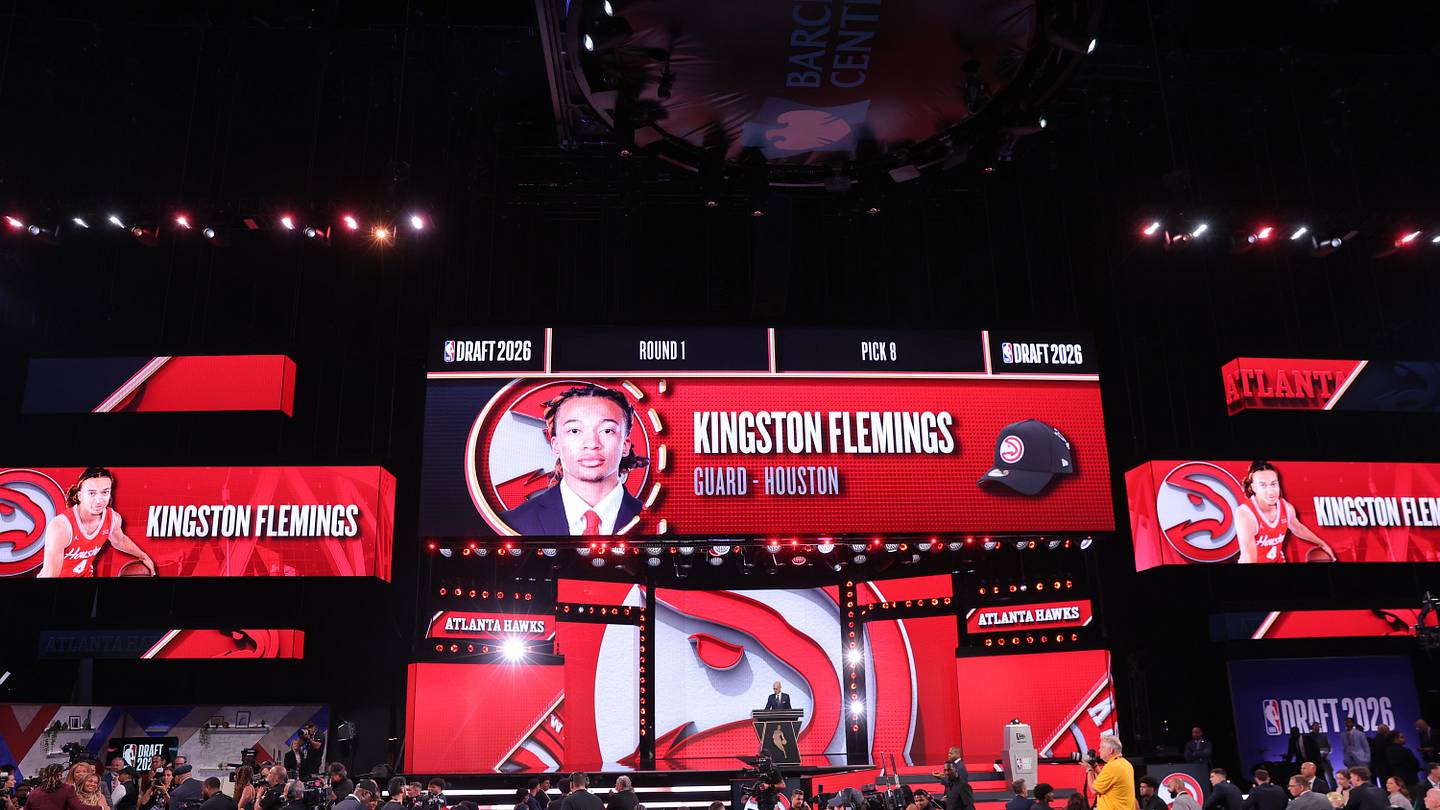
The Atlanta Hawks entered the offseason by locking up CJ McCollum on a one-year, $21 million contract, adding wing Aaron Wiggins, and selecting three big men, Kingston Flemings, Zuby Ejiofor and Henri Veesaar, in the draft. While the young frontcourt adds depth, the team still lacks an experienced interior presence. A playoff-bound roster that hopes to exceed last season’s win total cannot rely on two rookies to anchor the paint.
One name that fits the Hawks’ defensive identity is Dan Gafford. His reputation centers on rim protection and rebounding, traits that align with Atlanta’s need for a defensive anchor. Although Gafford does not stretch the floor and has an injury history, his contract is described as reasonable and would complement existing big man Onyeka Okongwu. Adding Gafford would give the Hawks a more reliable interior defender without overhauling the salary structure.
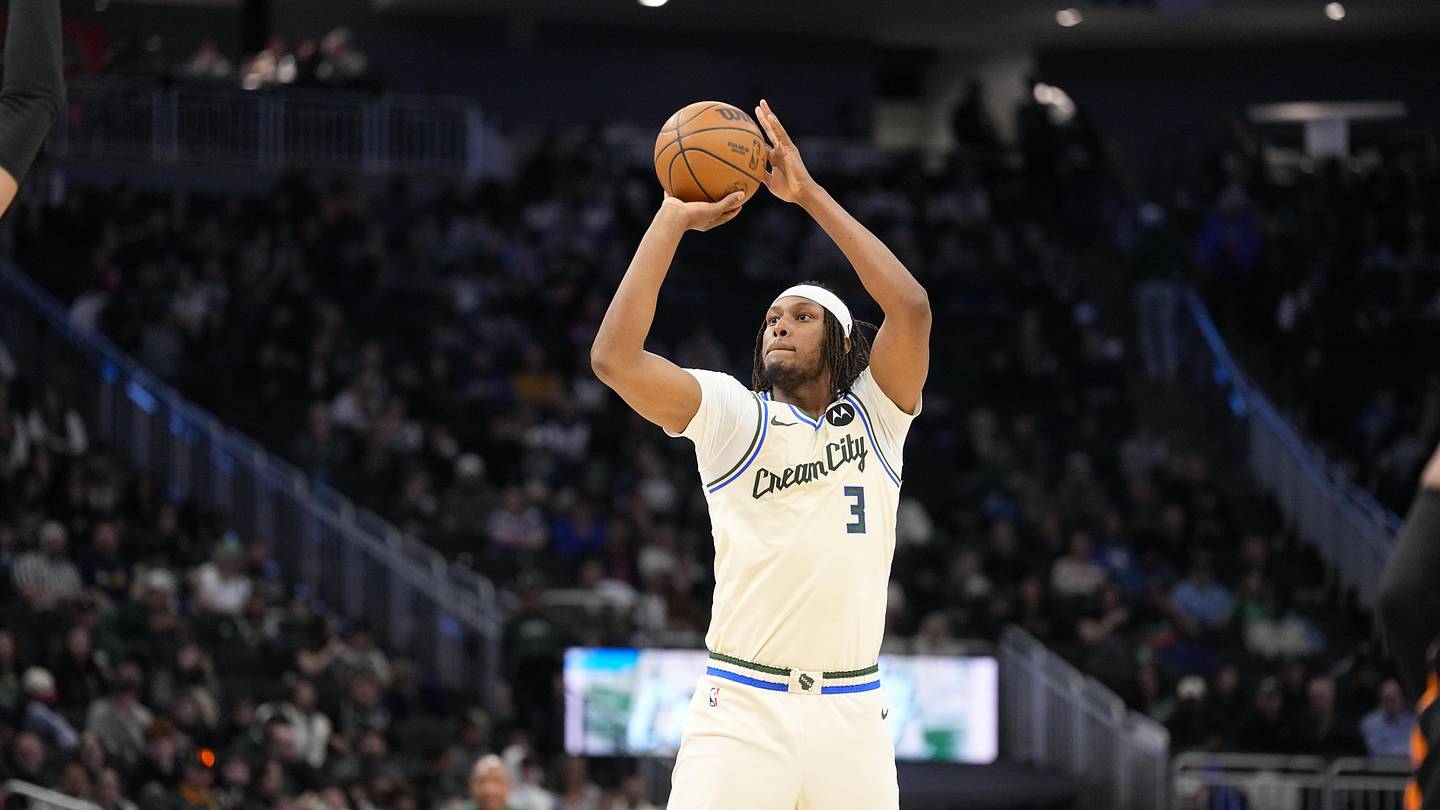
On the other side of the trade market sits Myles Turner. After a down year with the Milwaukee Bucks, Turner remains under a three-year, $83 million deal. The Bucks, having moved Giannis Antetokounmpo to the Miami Heat, appear poised to shift their interior assets, making Turner a plausible candidate for Atlanta. Turner’s ability to protect the rim and his occasional three-point shooting could add a different dimension to the Hawks’ spacing-oriented offense, though his contract is substantially larger than Gafford’s.
From a cap perspective, the Hawks retain flexibility after McCollum’s deal. A Gafford acquisition would likely require only a modest salary match, perhaps a second-round pick and a role player, while a Turner deal would demand a more significant package, potentially involving multiple assets and a multi-team structure. The contrast in contract size underscores why Gafford is often viewed as the more attainable target.
The broader pattern in Atlanta’s offseason strategy is clear: the front office is willing to trade draft capital and veteran contracts to address immediate roster holes. By securing a proven interior defender, the Hawks aim to solidify their defense and give Trae Young more freedom on the perimeter. Whether Dallas lowers its asking price for Gafford or the Bucks entertain a Turner trade, the next few weeks will determine how Atlanta plugs its center void before the trade deadline.
Ultimately, the success of Atlanta’s pursuit hinges on aligning cap space, draft assets, and roster philosophy. A timely acquisition could transform the Hawks’ interior defense, while a misstep might leave the team exposed against the league’s growing number of dominant big men.

 Atlanta Hawks