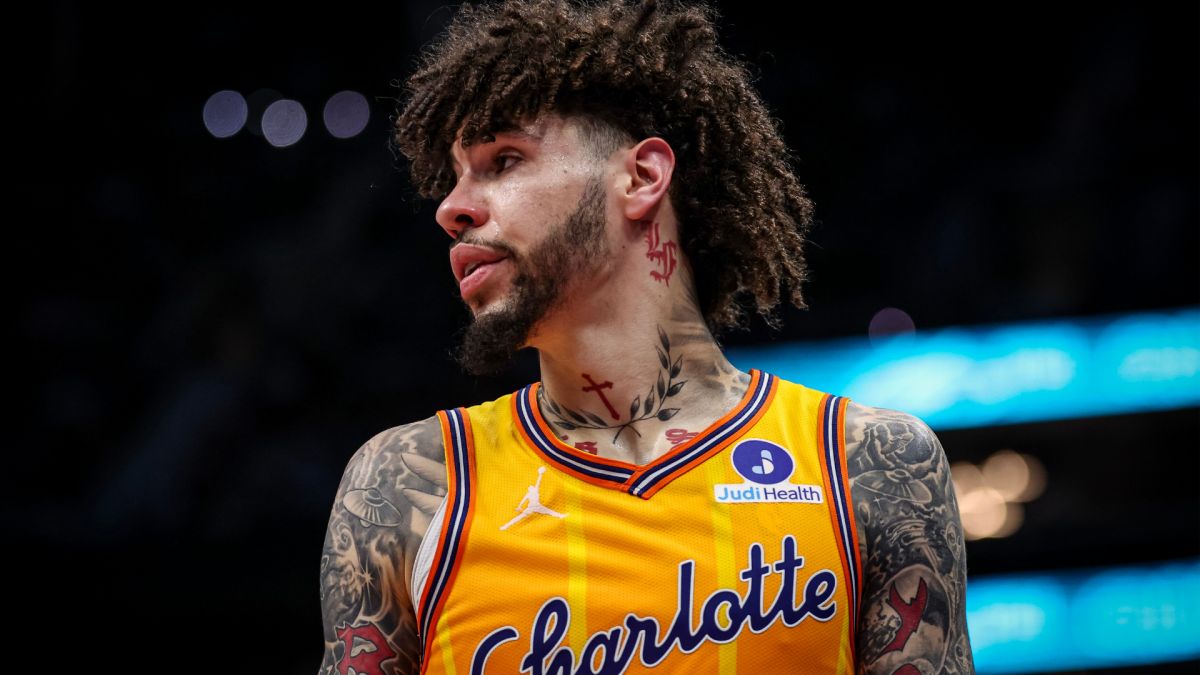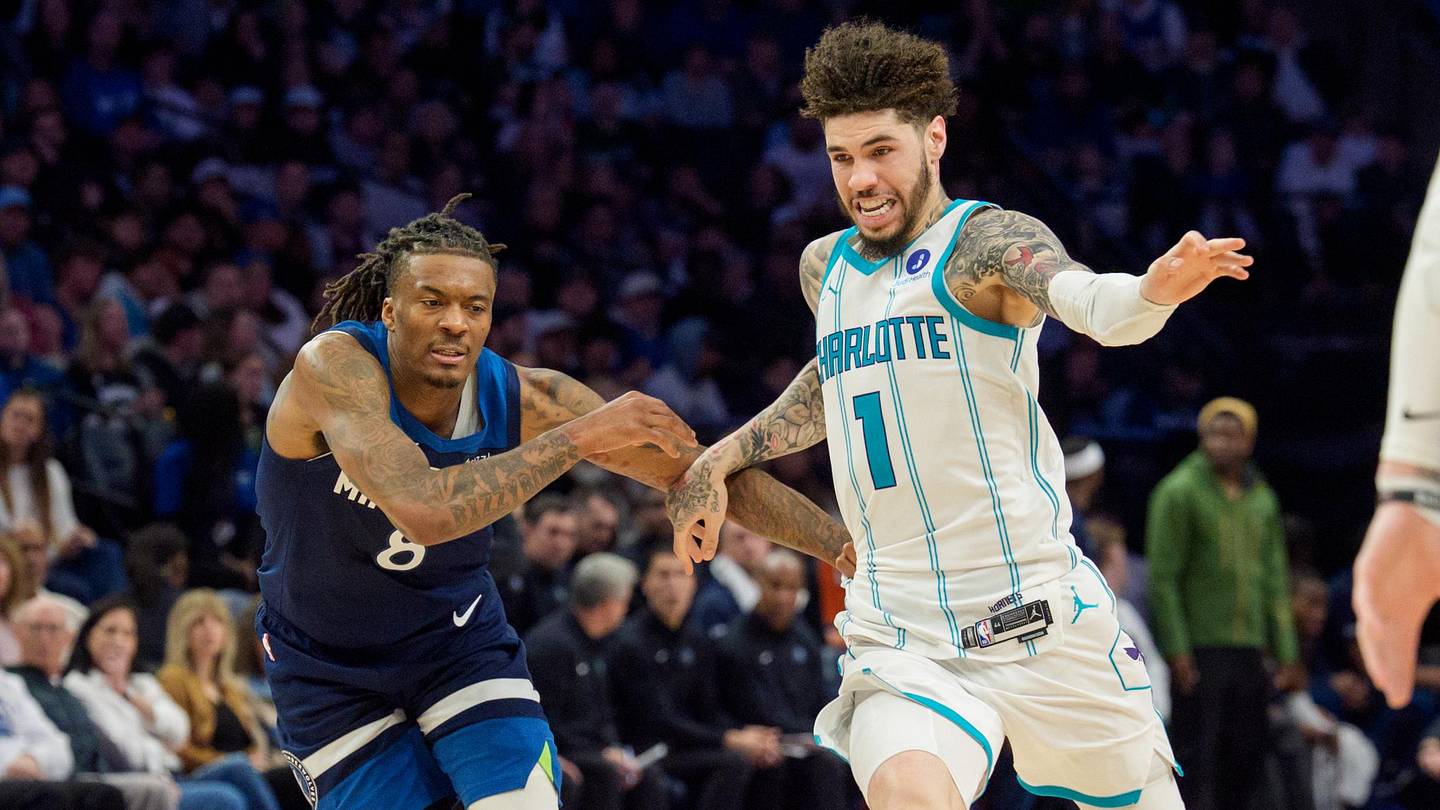
The Charlotte Hornets have traded LaMelo Ball, a move that sends shockwaves through the league and firmly pivots Charlotte into a new era. The return package includes Naz Reid and an unprotected pick seven years in the future. The pick swaps and second-rounders are, by and large, inconsequential.
While the draft assets are substantial, the immediate on-court impact for Charlotte is a downgrade. Naz Reid, a backup big man, is a skilled player capable of stretching the floor and attacking mismatches. Ball, meanwhile, averaged 20.1 points, 7.1 assists, and 4.8 rebounds in 72 games this past season, spearheading a Hornets team that finished 44-38 and made the play-in tournament. The Hornets' offense will undoubtedly miss Ball's elite playmaking.
This trade, despite the promising draft capital, feels like a disservice to LaMelo Ball's recent development and performance. The narrative that Ball is not a serious player or a winner simply does not hold up to scrutiny from the past season. He worked diligently on his health, even suggesting coming off the bench to maintain freshness, and played 72 games. Furthermore, the Hornets transformed into a 28-10 team in the second half of the season, clinching their first winning season since 2021-22 and a play-in spot for the first time since 2022. Ball was the undeniable engine behind that turnaround, demonstrating a competitive drive that belies the lingering criticisms.
The wider context of this move is unsettling for the Hornets' locker room and the perception of the franchise. Trading a player who just led the team to its best record in years, and who seemingly bought into the team's vision, with little to no public build-up, can create an environment of uncertainty. This decision to jettison the face of the franchise at what many executives believe was the peak of his trade value, suggests a willingness to completely reset, regardless of recent progress.
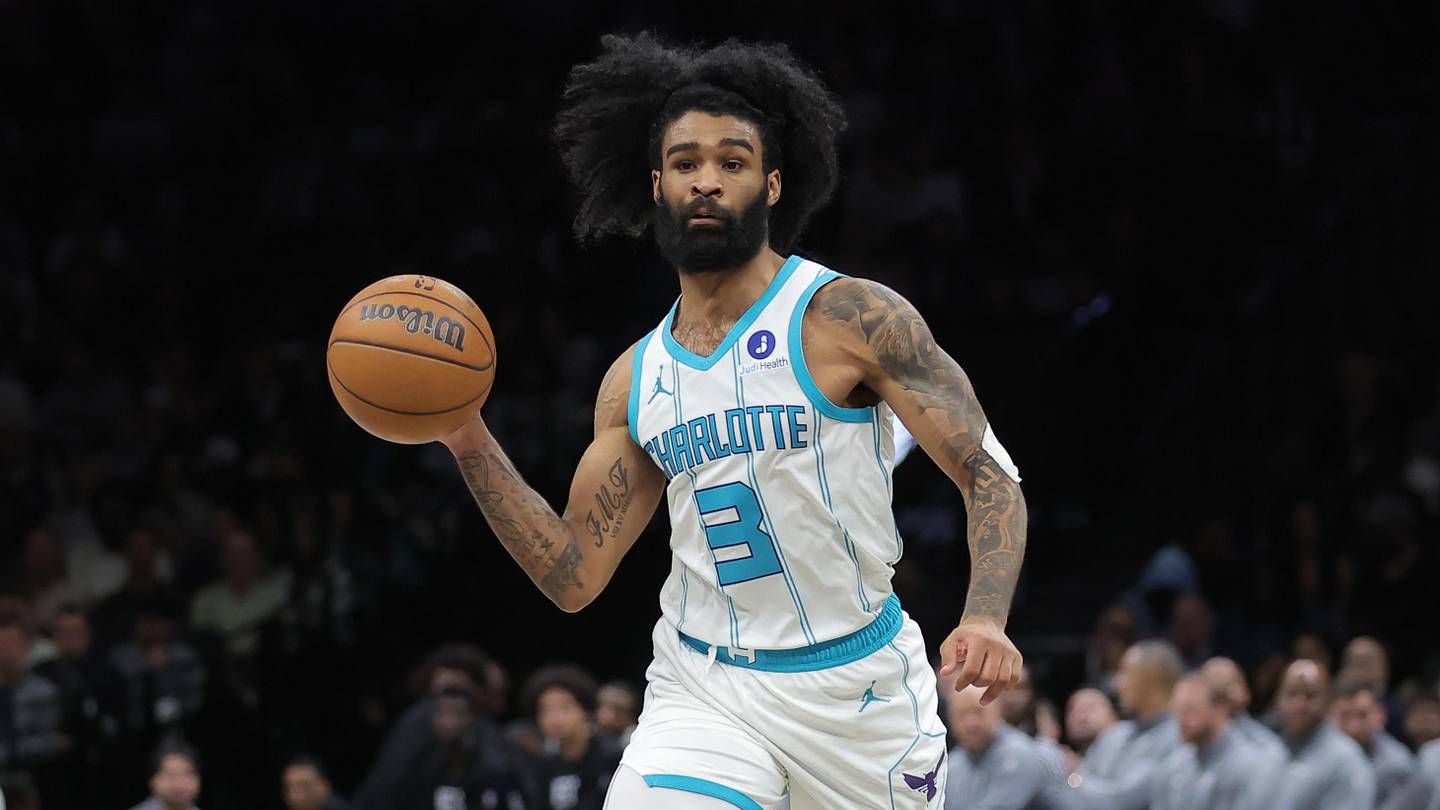
The immediate aftermath will see Coby White, who recently agreed to a three-year, $74 million contract, likely step into the starting point guard role. This shift places a heavy burden on White to replicate Ball's production and playmaking. The Hornets will now lean heavily on their accumulated draft picks, hoping to unearth another franchise cornerstone in the years to come, a strategy that will test the patience of a fanbase that just witnessed a promising season. The unprotected first-round pick, in particular, represents a significant long-term gamble.
The real sting of this trade is not the assets acquired, but the implicit validation it gives to the tired, often unfair, narratives that have shadowed LaMelo Ball's career. It is a move that prioritizes a future full of unknowns over the tangible progress and burgeoning star power that was right in front of them.
 Charlotte Hornets