The curtain fell on a significant chapter for the Miami Heat with the offseason trade of Tyler Herro, a move many observers felt was a necessary step in the franchise’s ambitious pursuit of a championship. Yet, the often-tidy narrative of player departures, even those for the greater good, sometimes obscures the complex personal currents beneath the surface. What appeared to be an amicable split quickly unraveled.
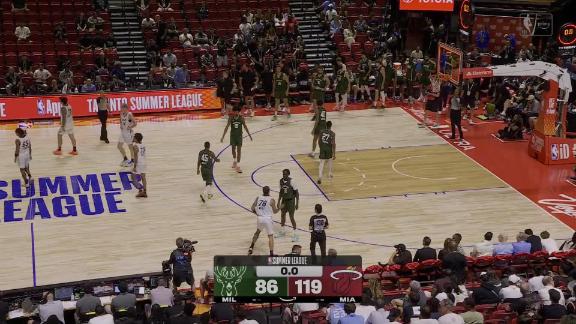
Just hours before the Heat's Summer League opener in Las Vegas, an unexpected and startling altercation erupted between Herro and his former teammate, Bam Adebayo. This incident sharply contrasted with Herro’s earlier public statements, where he expressed nothing but appreciation for his seven years with the Miami organization. The abrupt shift from cordiality to confrontation caught the league’s attention.
Herro had spoken in glowing terms about his time in South Florida, telling two local newspapers, including the Miami Herald, that he held “never” any ill will toward the Heat. He recognized the platform they provided, drafting him from Kentucky and offering a crucial opportunity to develop his game. Such a long tenure is rare in today’s NBA, a point Herro himself acknowledged with gratitude.
He expressed excitement and appreciation for everything that had transpired during his time in Miami, framing his departure as a natural evolution in his career. This sentiment projected a clean, professional parting, aligning with the Heat's reputation for managing transitions smoothly. The public perception was of a player moving on with respect for his former club.
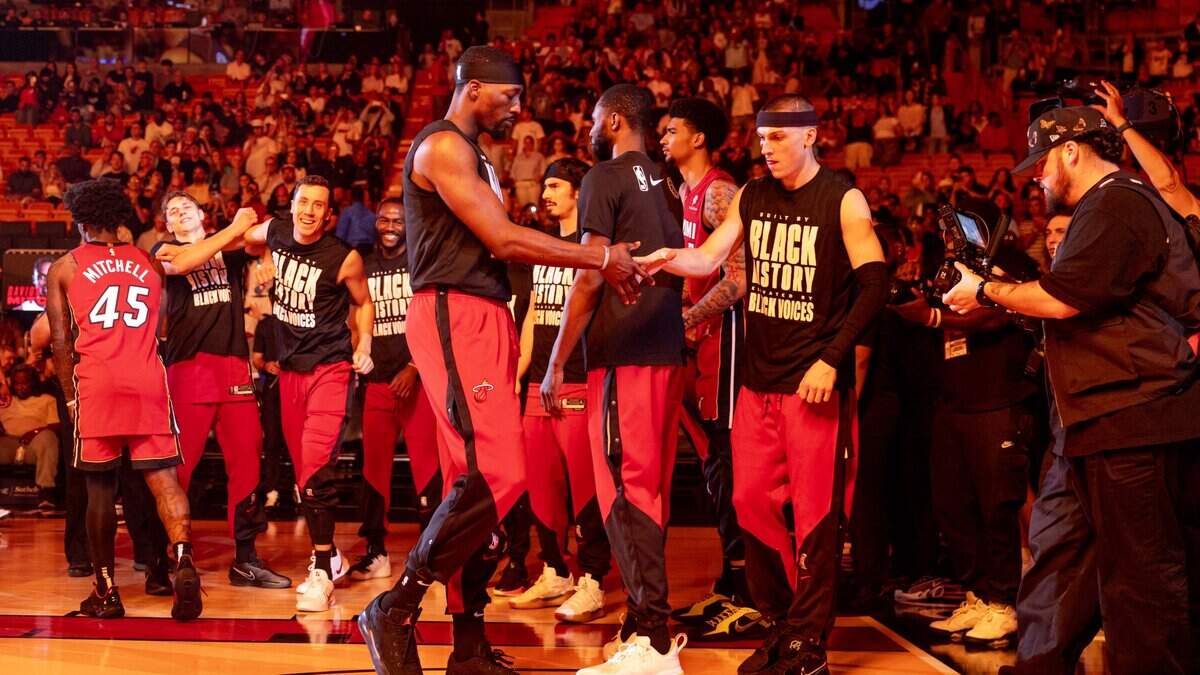
However, the reported events on a practice court outside Resorts World Las Vegas painted a dramatically different picture. A league source confirmed an altercation between Adebayo and Herro, two players who had spent the last seven seasons as teammates and, critically, emerged as the Heat’s top two leaders. Adebayo held the formal title of team captain, while Herro earned trust through his on-court accomplishments and extended tenure.
The details that emerged later from trusted reporters provided a more specific understanding of the clash. ESPN’s Shams Charania reported the incident began when Adebayo confronted Herro about comments the guard had made on social media. These critiques, notably, were directed at Adebayo himself, surfacing after their long run in Miami had concluded with the trade.
The Athletic provided further granularity, describing the confrontation unfolding “in front of an AAU team run by Herro.” Adebayo reportedly walked onto the courts, prompting Herro to say something to him. Without hesitation, Adebayo then punched his former teammate, an account detailing a swift escalation of the verbal exchange.
Herro’s AAU coach intervened, confronting Adebayo, while Herro himself was reportedly yelling at Adebayo as security personnel escorted him from the scene. Both players ultimately departed on their own, leaving behind a scene of tension and unanswered questions. The Heat and Bucks summer league teams were both utilizing the Resorts World facilities, creating an unfortunate proximity.
A Heat spokesperson declined to comment on the incident, stating only, “We are aware and not commenting.” This lack of official disclosure from the team, coupled with Herro’s “no comment” when pressed by reporters, underscores the sensitivity surrounding the situation. It remains unclear whether legal charges will be filed or if either player will face team or league-issued punishment.
The underlying friction suggested by these reports casts a new light on Herro’s recent trade to the Milwaukee Bucks. This significant transaction saw Herro depart as part of a package designed to bring two-time NBA MVP Giannis Antetokounmpo and veteran forward Bobby Portis to Miami. The deal, agreed upon in late June and finalized recently, marked a pivotal shift for the Heat’s roster construction.
Herro’s departure leaves a considerable void in Miami's offensive backcourt, particularly concerning his shot creation and perimeter scoring. His ability to initiate offense, especially against set defenses, had been a crucial element of the Heat’s game plan for years. Replacing that specific offensive role will be a challenge, even with elite additions.
However, the arrival of Antetokounmpo fundamentally reshapes the Heat's identity, providing unmatched rim pressure and defensive versatility. This acquisition was a clear move to elevate the team’s championship ceiling, sacrificing a key offensive piece for a generational talent. The trade signaled Miami’s commitment to an immediate title contention window, pushing all chips to the center.
Bobby Portis, meanwhile, brings floor spacing and a physical interior presence, complementing Adebayo’s defensive prowess and playmaking from the high post. The new roster configuration will likely alter Adebayo’s offensive responsibilities, perhaps shifting him further into a defensive anchor role alongside Antetokounmpo, while still leveraging his passing ability.
The reported critiques from Herro, directed at Adebayo on social media, hint at potential internal frustrations regarding how the Heat's offense operated, or perhaps Adebayo’s specific contributions within it. As a primary scorer, Herro often had the ball in his hands, and any perceived lack of offensive flow or effectiveness might have led to his public comments.
This dynamic points to the inherent pressures of defining roles and maximizing talent on a championship-contending team.
For seven seasons, Herro and Adebayo grew together within the Heat system, evolving from young prospects to established NBA players and perceived team leaders. Such a long shared history often breeds deep bonds, but also the potential for friction when performance or team direction becomes a point of contention. The heat of competition, and the desire for success, can strain even the strongest relationships.
The public nature of this altercation, especially coming from a recently departed player, introduces an unwelcome layer of drama for the Heat. It complicates the narrative of a successful, albeit tough, trade and momentarily shifts focus from the excitement surrounding Antetokounmpo's arrival. This incident will undoubtedly be a talking point around the league, impacting perceptions of the team's internal culture.
The incident also places an uncomfortable spotlight on both players. Adebayo, as the team captain and a foundational piece of the Heat’s future, now faces questions about his temperament and his response to criticism from a former colleague. Herro, newly arrived in Milwaukee, enters his new chapter with an immediate, high-profile personal controversy following him.
This confrontation in Las Vegas peels back the veneer of professional transitions, revealing the raw, personal emotions that can persist long after a trade is announced. It serves as a stark reminder that beneath the statistics and salary slots, the NBA remains a league of individuals navigating intense pressures and complex interpersonal dynamics.
Even as the Heat move forward with a revitalized roster aiming for the highest honors, the echoes of this physical clash between two former leaders will resonate. It underscores that while roster construction addresses on-court needs, the human element, the shared history, the unaddressed grievances, and the fierce pride of competitors, can sometimes erupt in unexpected and public fashion, leaving a lasting mark on the team's narrative.