Miami got its superstar. Giannis Antetokounmpo and Bobby Portis are Heat now, and the bill came due immediately: Tyler Herro, Jaime Jaquez Jr., Kel'el Ware, and Kasparas Jakucionis out the door, plus the No. 13 pick in this year's draft, a 2030 first-round swap, and first-rounders in 2031 and 2033. That is the price of a two-time MVP who asked out and had Boston bidding against you. It is also the price that leaves you with a five-man core you love and almost nothing behind it.
The math is unforgiving. By routing the deal through the expanded trade exception, Miami is hard-capped under the first apron, sitting roughly $18 million below that line and about $9.5 million under the luxury tax with four roster spots to fill. Most of that breathing room disappears the moment they re-sign Norman Powell, an unrestricted free agent whose Bird rights let them go over the cap to keep him. Keep Powell, and the rest of the bench gets built out of minimum deals and whatever is left of the room exception. This is a championship roster on top and an open tryout at the bottom.
There are levers if Miami wants more room. Nikola Jovic could be moved to open space, and Andrew Wiggins could decline his $30.2 million option and re-sign for a lower number with an extra year attached. But every one of those moves serves the same goal: freeing up enough to retain Powell and still afford a functional bench. The flexibility is real but narrow, and it runs out fast.
So the back end has to be cheap, and it has to be useful. The starting five writes itself: Davion Mitchell, Powell, Wiggins if he picks up his option, Giannis, and Bam Adebayo. What left town with Herro was half-court shot creation off the bench. A career 38.2 percent three-point shooter took 18 points a night and a self-sufficient scoring engine to Milwaukee. The second unit now needs someone who can run an offense for stretches and keep the ball from sticking.
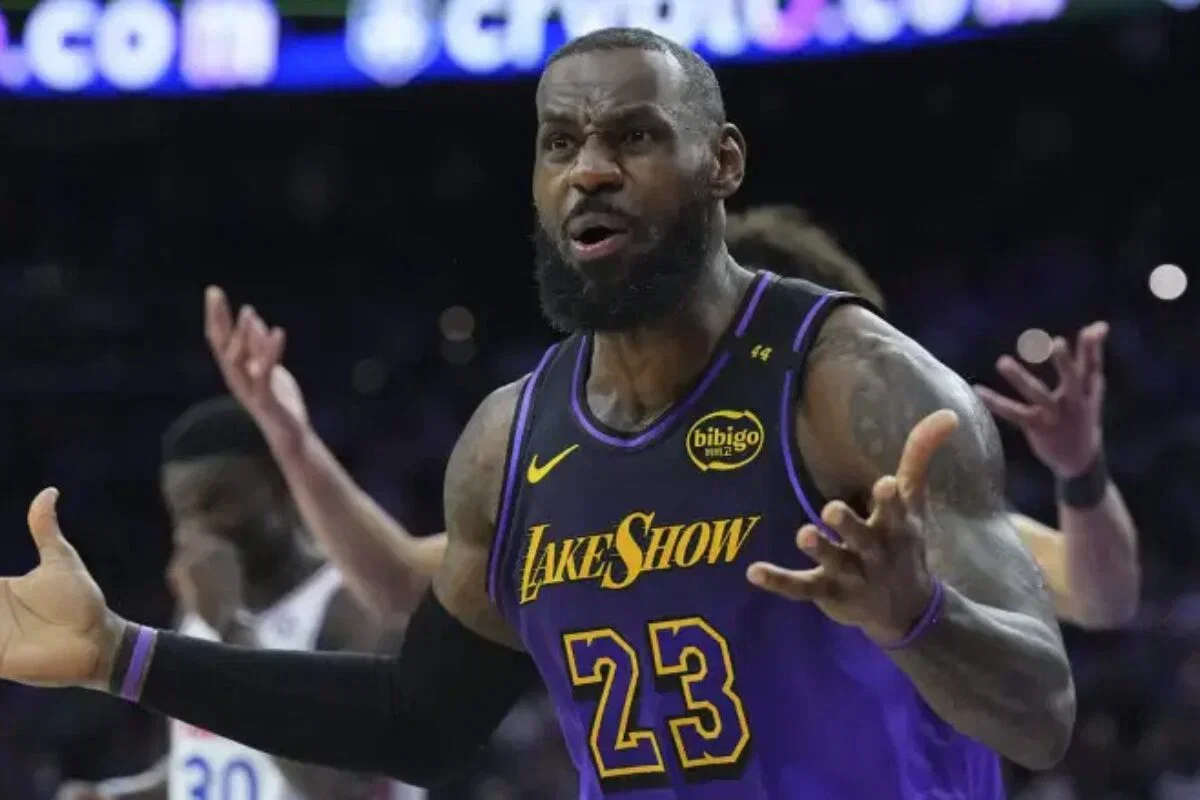
That is the case for Russell Westbrook.
He is 37 and entering his 19th season, and the version of him that exists in 2026 is not the MVP and does not pretend to be. But last year in Sacramento he averaged 15.2 points, 6.7 assists, and 5.4 rebounds in 29 minutes a night across 64 games. On a minimum contract, that is a real player. He gives Miami a downhill creator who can push the pace and keep bench units organized while the stars rest. The risk is durability. A toe injury cost him 11 straight games down the stretch, and 37-year-old guards do not get more available with age. The reward is that when he is upright, he still bends defenses in a way no other minimum-salary guard on this market can.
The warts are not a secret. Westbrook has never been a shooter, his turnovers come in bunches, and his shot selection in tight games has sunk teams before. On a roster that needs spacing around Giannis, a guard who ignores the three-point line is a genuine cost. But nobody is asking him to close next to Giannis. The job is to be the engine of the second unit: transition, rim pressure, and ball movement for a group that otherwise has none of it.
Picture the actual rotation. Mitchell and Westbrook can share a backcourt in bench-heavy stretches, with Westbrook attacking downhill and Mitchell taking the tougher defensive assignment. When Giannis checks back in, Westbrook slides off, and Erik Spoelstra staggers the minutes so there is never a lineup on the floor with nobody who can create a shot. It is not elegant, but it is functional, and functional at the minimum is the entire assignment. Miami is also the rare organization with a real track record of squeezing late-career value out of veterans by handing them a defined role and holding them to it.
Westbrook is the headline swing, not the only one. Precious Achiuwa should be on Miami's call sheet the second free agency opens. He is 26, he has had two stints with the Heat already, and he just finished a strong year in Sacramento that included a career-high 29 points against Dallas in February. With Ware now in Milwaukee, there are frontcourt minutes behind Bam and Portis, and Achiuwa already knows the building, the staff, and the standard. He is the low-risk version of the same idea, an athletic big who can switch and rebound without needing the ball.
Guerschon Yabusele is the higher-upside one. He is a stretch four who can do what Westbrook cannot, which is space the floor around Giannis. He is coming off a down season split between New York and Chicago, but he is only a year removed from a real breakout in Philadelphia after a strong 2024 Olympics. A shooting big willing to sign for the minimum is exactly the kind of bet that decides how high a contender's bench ceiling sits. If he would rather chase a bigger payday or a return overseas, Miami moves on. If the number is small, he solves a problem the other names do not.
None of this is universally loved in South Florida, and it should not be. One camp wants nothing to do with a 37-year-old non-shooter clogging the lane next to a player who already lives in the paint. The other points out that you do not get to be picky after you have spent your picks and your cap sheet on a single superstar. Portis at least brings frontcourt scoring punch off the bench, but the guard rotation behind Mitchell is bare. The back of the roster is going to be cheap no matter what. The only real question is whether it is cheap with a heartbeat or cheap and anonymous.
Miami did not mortgage its future to win 48 games. The top of this roster is finished, and the title math now rests entirely on the cheapest names the front office can find. Westbrook is the highest-upside, highest-variance answer on that list. Sign him and the bench has a pulse and a flaw to manage. Pass, and the Heat had better be right about whoever they take instead, because there is no money left to fix a miss.

 Miami Heat