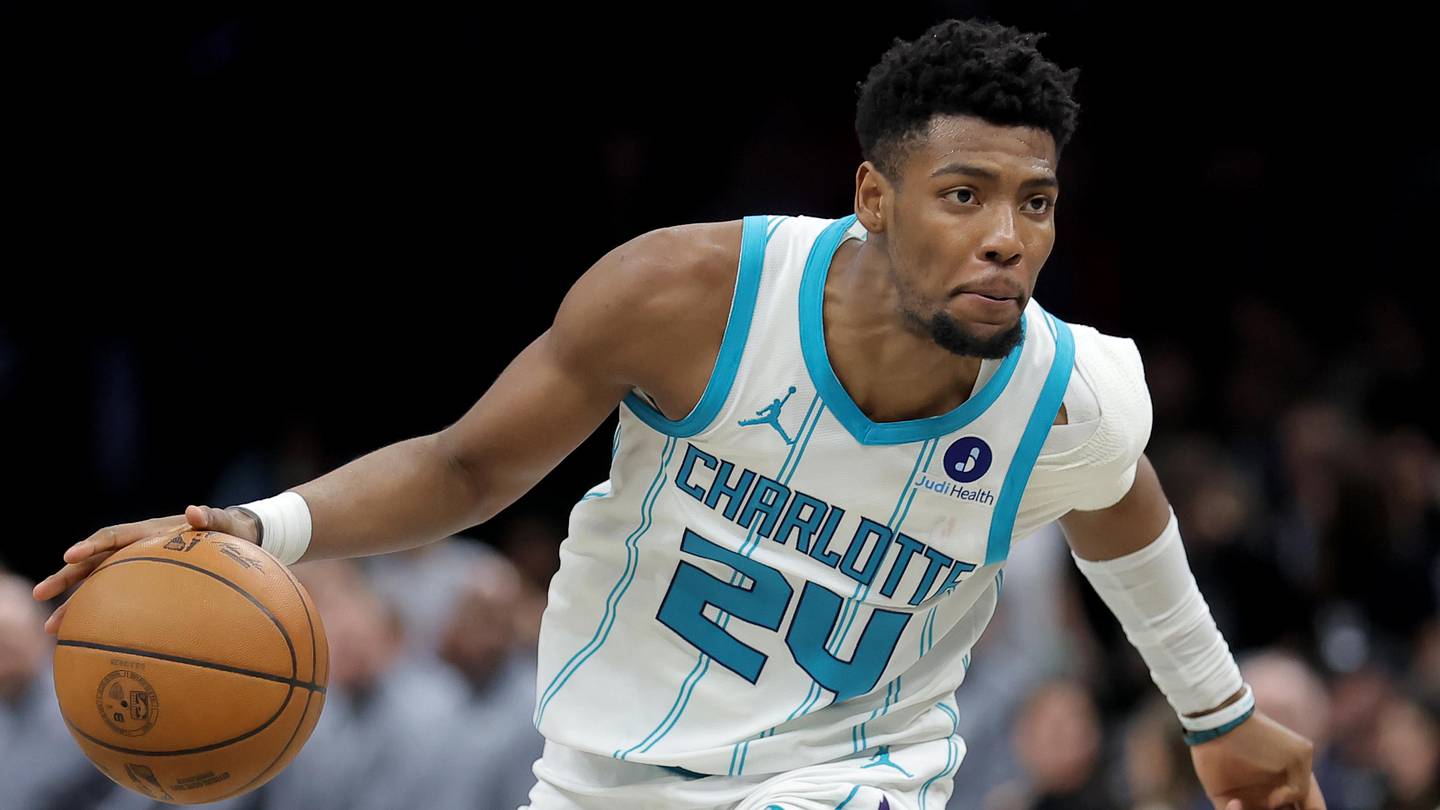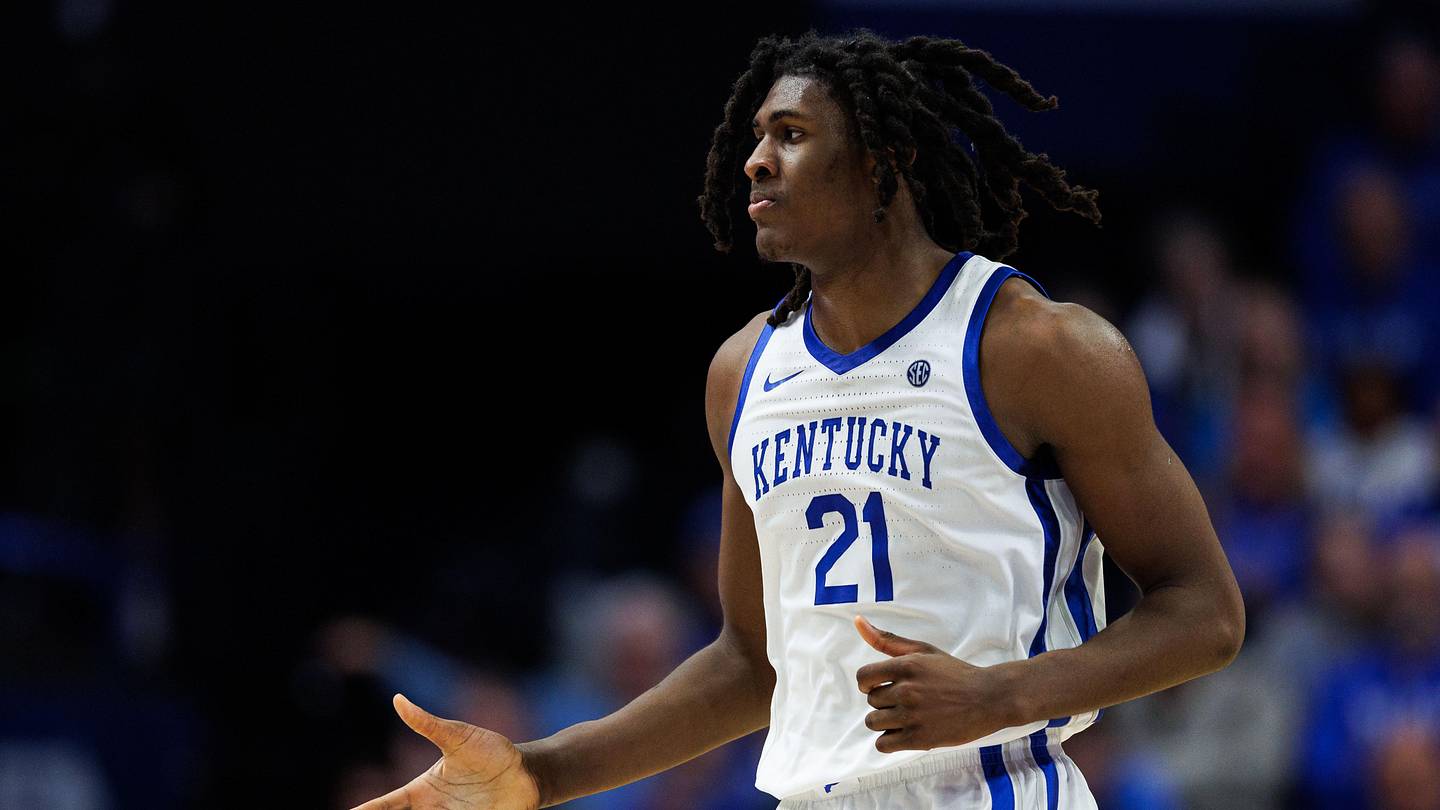
The Charlotte Hornets head into the upcoming NBA Draft with two first-round selections, the fourteenth and the eighteenth overall. Both slots sit squarely in the range where Kentucky’s six-foot-ten forward Jayden Quaintance is projected to be taken. The franchise has been clear about its need for a true big man, and Quaintance’s name remains on the board despite a lingering ACL injury that has turned him into a classic high-risk, high-reward prospect.
Quaintance’s ACL issue is the primary concern, but his skill set offers a rare blend for a player of his size. In college he demonstrated the ability to stretch the floor with a reliable three-point shot, and his rebounding instincts allowed him to compete physically with frontcourt athletes. Those attributes suggest that, if his knee holds up, he could fill the Hornets’ missing piece: a versatile stretch-four who can protect the rim and space the floor.
The only realistic way Charlotte can absorb the risk is by pairing a safe selection at fourteen with a swing at eighteen. The draft board includes several prospects that the Hornets could view as low-floor, high-certainty players, names such as Hannes Steinbach, Yaxel Lendeborg, Morez Johnson Jr., or Karim Lopez. Securing one of those players first would give the team a contributor who can log meaningful minutes in his rookie season, thereby providing a buffer against any setback that Quaintance might encounter.
That approach mirrors the franchise’s 2025 draft strategy. In that year Charlotte chose Kon Knueppel, a high-floor, low-risk big man, over higher-ceiling but riskier options like Ace Bailey or Tre Johnson. Knueppel’s immediate impact and stable contract gave the Hornets flexibility for future moves, reinforcing a pattern of building on a solid foundation before reaching for higher upside.
If the Hornets follow the same logic this year, locking in a reliable rookie at fourteen before taking a calculated gamble on Quaintance at eighteen aligns with a broader league trend of leveraging the rookie-scale structure to acquire upside talent, even when injury histories loom large. By anchoring the risk with a sure-fire pick, Charlotte positions itself to either reap the rewards of a versatile big man or retain a roster of young talent that can develop without jeopardizing its plans.
Ultimately, the decision hinges on how the organization weighs the potential upside of a player who can stretch defenses against the very real concern of a knee that may not hold up at the NBA level. A measured approach that secures a dependable contributor first gives the Hornets a safety net, allowing them to take the calculated risk on Quaintance with confidence that the season will not hinge on a single uncertain prospect.
 Charlotte Hornets