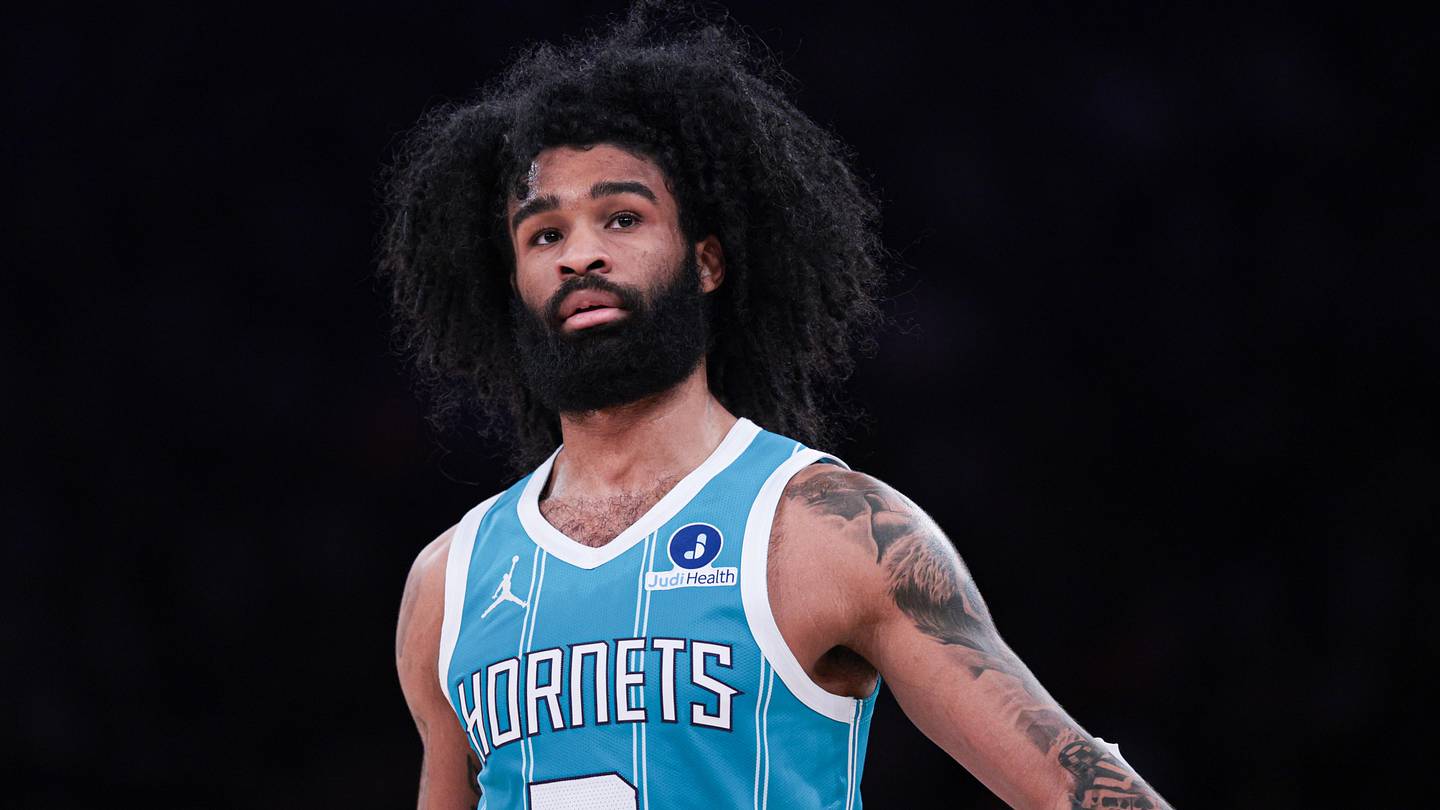
After one of the best seasons in franchise history, the Charlotte Hornets face a pivotal offseason decision regarding guard Coby White. General Manager Jeff Peterson acquired White mid-season by trading Collin Sexton, Ousmane Dieng, and a handful of second-round picks. The move was intended to give Charlotte a dynamic backcourt piece after losing the heart of its locker room in Sexton.
In the 2025-26 campaign, White flourished in a more ball-dominant role off the bench, a shift from his spot-up shooting duties with Chicago. He publicly expressed excitement about becoming an on-ball force, even if it meant coming out of the second unit. As free agency looms, White is reportedly seeking a raise from his $12.8 million salary last season. Spotrac projects a potential $24.5 million per-year deal, which would make him the Hornets’ second-highest paid player.
That salary projection adds complexity to Charlotte’s financial outlook. The team will also need to address upcoming raises for young assets such as Brandon Miller, Moussa Diabate, and Josh Green after next season. Balancing those commitments while retaining a player of White’s caliber will require careful cap management and strategic use of exceptions.
HoopsHype analyst Michael Scotto has floated a sign-and-trade scenario that would send Brooklyn Nets center Nic Claxton to Charlotte, with White signing an extension in Brooklyn. The idea leverages Peterson’s prior stint under Nets GM Sean Marks and his existing relationship with the Brooklyn front office. However, Peterson himself cautioned against “skipping steps,” noting that haste often leads to poor outcomes. He emphasized a patient, strategic approach and framed White as a long-term piece, suggesting the Hornets fully understood the financial implications when they initially made the trade.
Given the facts, the Hornets’ safest path is to retain White and continue building around the core they have assembled. White’s on-ball creation provides a spark that the team has come to rely on, and his projected salary aligns with the value he has demonstrated. Trading him for Claxton would sacrifice offensive versatility for a traditional defensive anchor, potentially straining the salary cap further as other key players approach contract extensions. The front office should focus on structuring a deal that preserves flexibility while rewarding White’s growth, rather than pursuing a quick fix that could jeopardize the franchise’s long-term trajectory.
 Charlotte Hornets