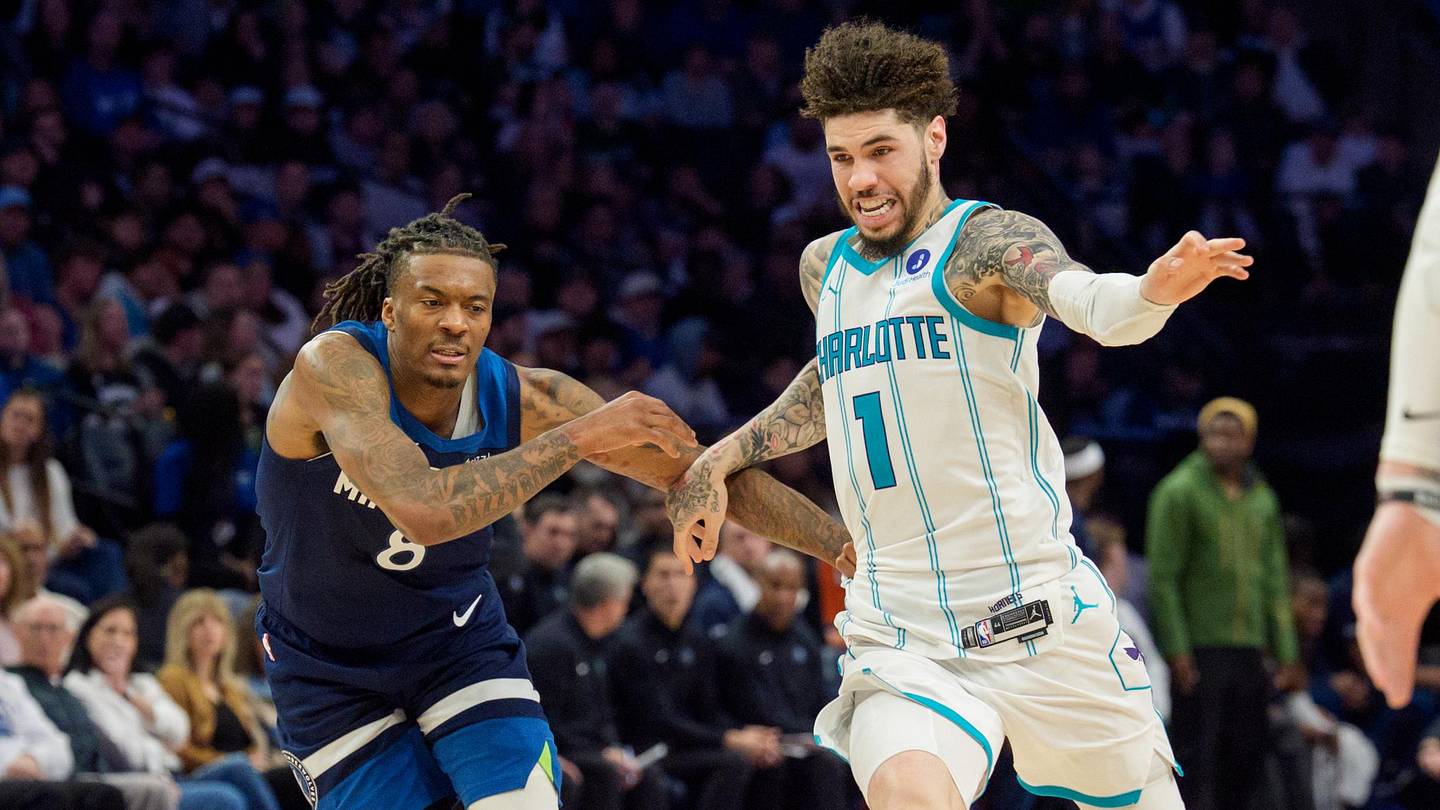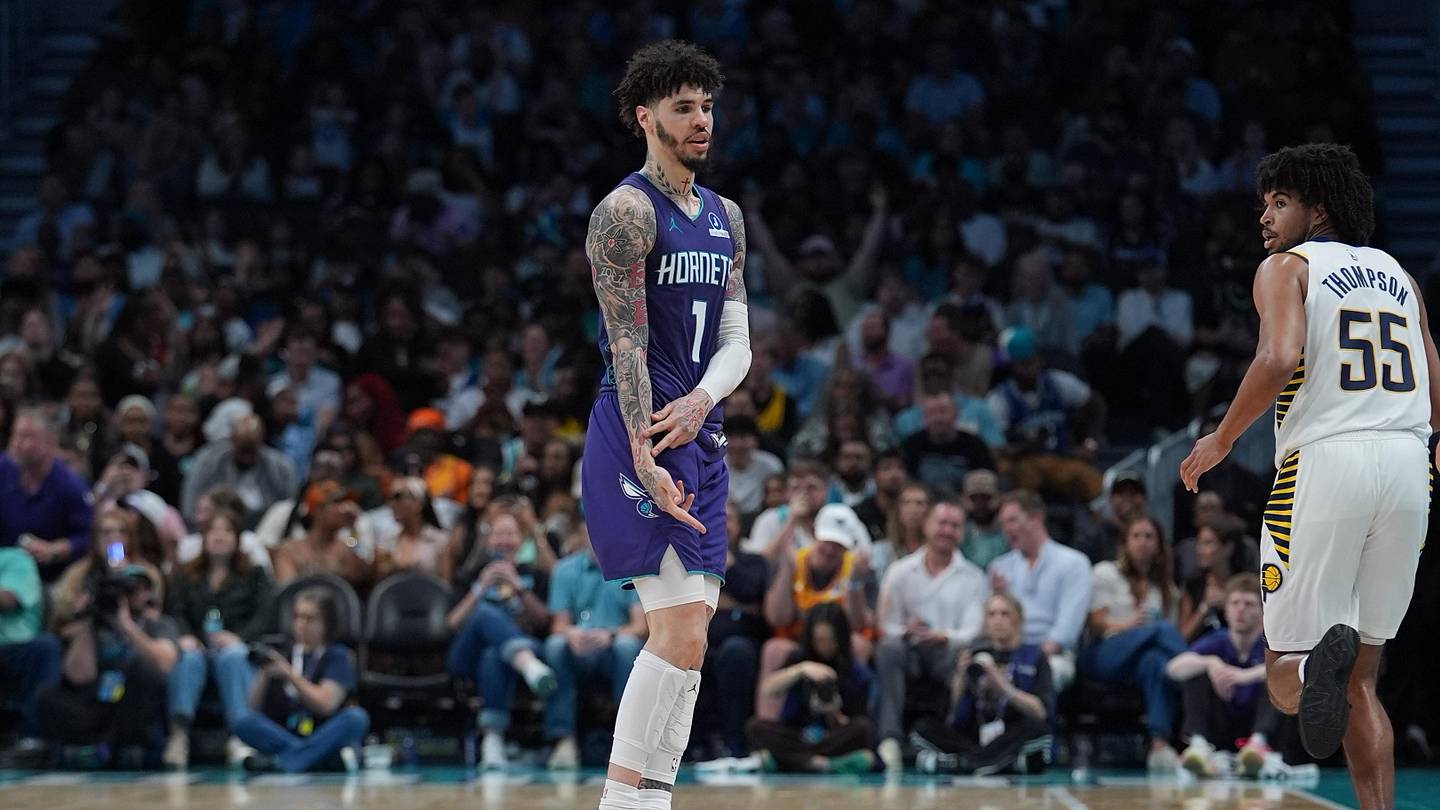
The Charlotte Hornets have made two seismic moves, trading star guard LaMelo Ball and forward Miles Bridges. This dramatic roster overhaul sees Charlotte acquiring a significant haul of draft capital and promising young talent, a stark pivot from the team that Bill Simmons and Zach Lowe championed throughout the past season. The Ball trade brings back Naz Reid, a 2033 unprotected first-round pick, three first-round pick swaps, and three second-round picks. The Bridges deal, meanwhile, sends him to Phoenix in exchange for Grayson Allen, Royce O'Neale, and another 2033 unprotected first-rounder.
These transactions signal a clear direction for the Hornets, prioritizing future flexibility and draft assets over the immediate ceiling of their recently established core. Ball, who is in the third year of a five-year deal, averaged 20.1 points, 7.1 assists, and 4.8 rebounds in 71 games this past season, shooting 40% from the field. However, his career has been plagued by injuries. Simmons highlighted this concern, noting Ball's inclusion on a "crazy list of guys who have averaged 20 PPG in their first six seasons but have played less than 10,000 minutes," a group that includes Ja Morant and Zion Williamson.
The Hornets' decision to move on from Ball, despite his undeniable talent, appears to be a calculated gamble on long-term health and asset accumulation. Ball's exceptional passing vision and offensive creativity were often the engine of Charlotte's attack, yet his recurring injuries consistently disrupted team chemistry and development. The addition of Naz Reid provides a versatile big man who can stretch the floor and attack mismatches, offering a more reliable frontcourt presence. The influx of draft picks and swaps, particularly the unprotected 2033 first-rounders from both Minnesota and Phoenix, gives Charlotte significant leverage in future drafts, allowing them to either select high-upside prospects or package picks for established talent down the line.
The wider context of these trades suggests a front office committed to a strategic rebuild, moving past the immediate frustrations of injuries and inconsistent performance. While Simmons and Lowe were initially bullish on the Hornets' young core, their recent flip-flop indicates a belief that this new direction, despite the loss of star power, positions Charlotte for a more sustainable future. Lowe even stated, when asked about the team he'd want to be in the East for the next seven years, that Charlotte is "definitely maybe No. 1." The acquisition of Grayson Allen and Royce O'Neale in the Bridges trade adds experienced veterans who can contribute immediately or be moved again for further assets.
Looking ahead, the Hornets now possess a treasure trove of draft capital and a clearer path to reshaping their roster. The flexibility provided by these moves allows them to be aggressive in future drafts, potentially targeting a franchise cornerstone with one of their numerous unprotected picks or consolidating assets to trade for an established star. The pick swaps with Minnesota, in particular, offer intriguing long-term upside should the Timberwolves regress. The next few seasons will be critical for Charlotte's front office to translate these assets into a cohesive, competitive team capable of sustained success.

 Charlotte Hornets