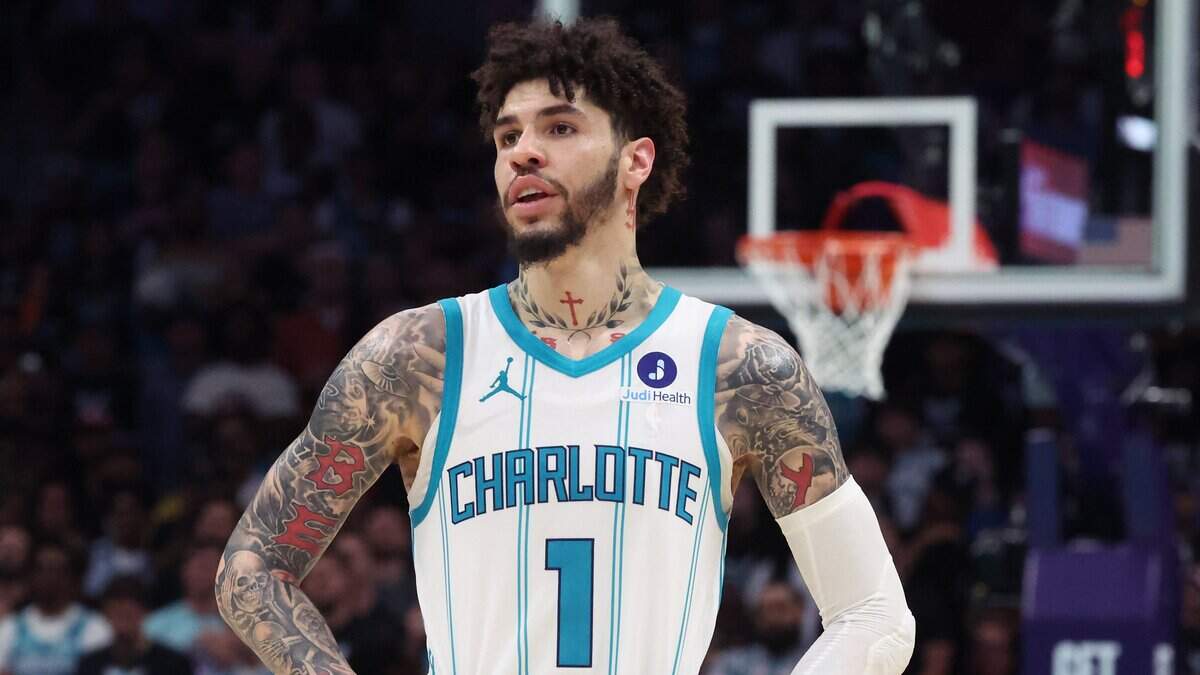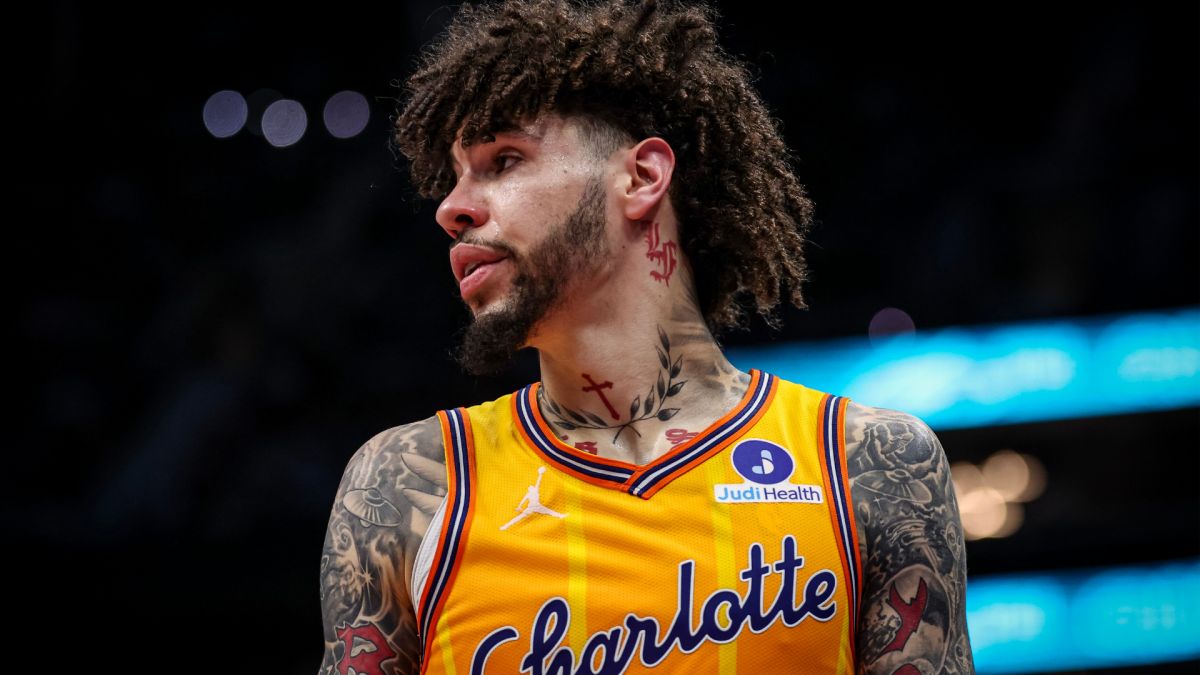
The Timberwolves acquired LaMelo Ball and Josh Green from the Hornets in exchange for Naz Reid, a 2033 unprotected first-round pick, three first-round pick swaps in 2028, 2029 and 2030, and three second-round picks.
Ball played 72 games last season yet combined for just 105 games across the three seasons before that. The Hornets posted a 139-164 record in the six seasons he appeared for them. Reid, a former Sixth Man of the Year, had been positioned to start at power forward after Minnesota parted with Julius Randle.
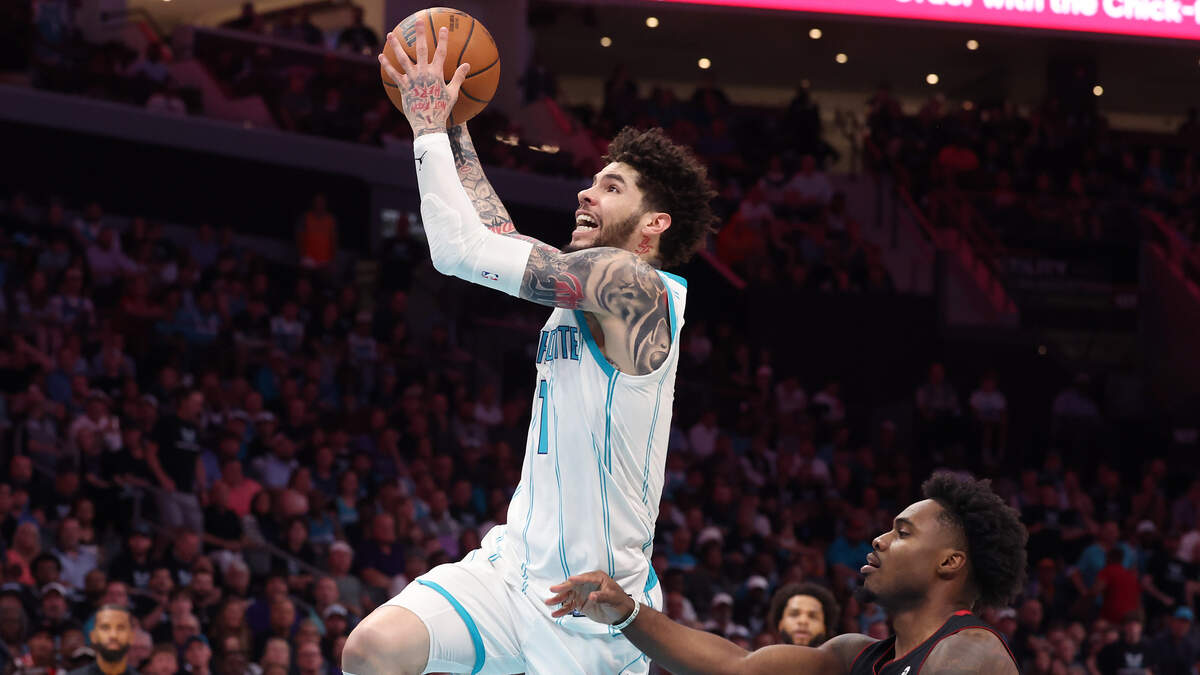
Ball's game rewards individual flashes over consistent execution. He rarely stayed within a structured offense for long stretches, reverting instead to freelance decisions that produced highlight plays but rarely translated into winning basketball. The Hornets tried to instill system habits under Charles Lee, yet the results stayed the same.
Minnesota already operated with limited depth and added further strain by committing a five-year, $112 million deal to Ayo Dosunmu while facing an extended absence for Donte DiVincenzo due to an Achilles injury. The move pairs Ball with Anthony Edwards but leaves fewer rotation pieces and fewer future assets to address those gaps.
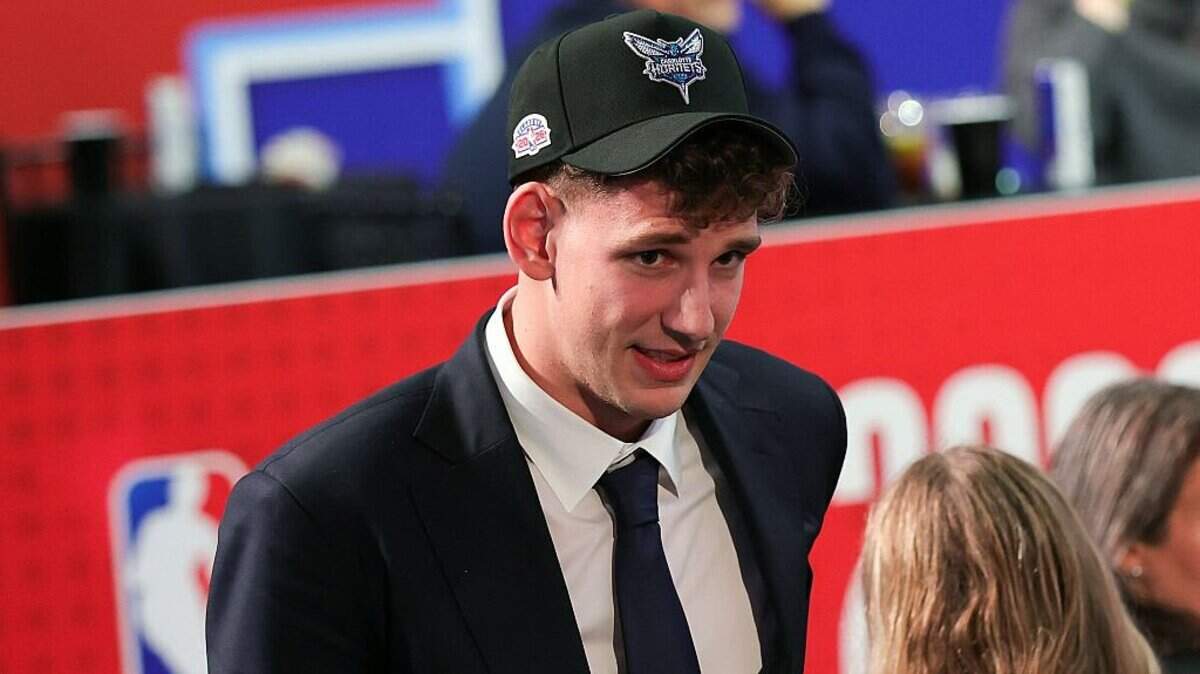
Charlotte now builds around Brandon Miller and Kon Knueppel with Reid and the incoming draft capital in hand. The Hornets were right to move on from Ball after years of availability issues and poor team results that often came in spite of his counting stats. His brand of basketball frequently prioritized me-first decisions and highlight-reel plays instead of sustained team execution, a pattern that persisted despite coaching efforts.
Minnesota must find immediate answers for frontcourt spacing and perimeter defense to justify the price paid. The trade leaves the Wolves with a narrower margin for error next season and a clear test of whether Ball's availability and decision-making can finally align with team goals. Tim Connelly evidently saw the upside of pairing Ball's playmaking with Edwards as too enticing to ignore, even as the cost in proven talent and future flexibility creates new roster challenges.
 Charlotte Hornets