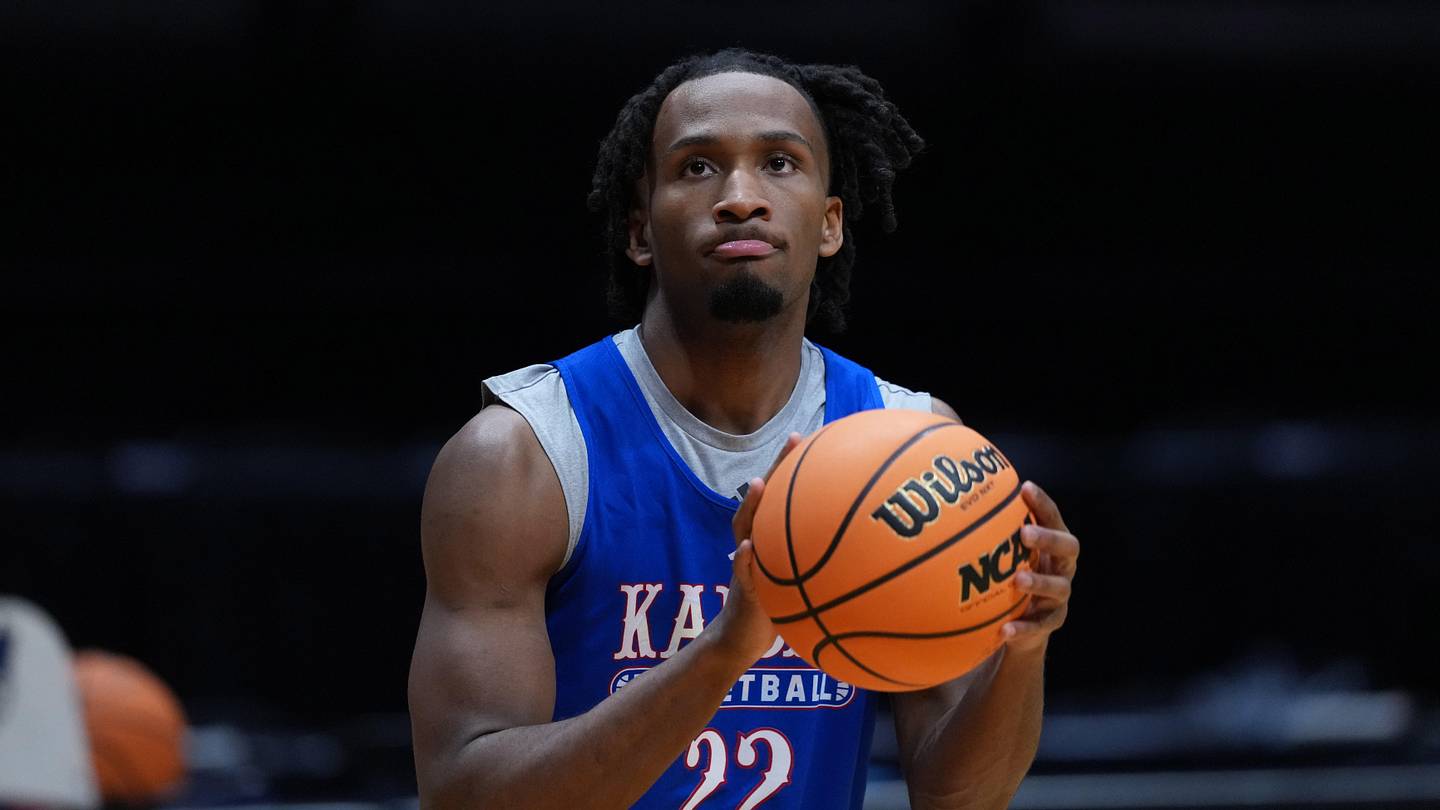
Utah enters the 2026 NBA Draft holding the No. 2 overall pick, a slot that typically steers the franchise toward a franchise-changing talent. Even though a freshman with just one collegiate season is unlikely to be selected at that spot, Illinois guard Keaton Wagler has generated conversation because his physical profile and offensive efficiency are rare for a player of his experience level.
Wagler stands at 6-foot-6 with an unconfirmed 6-foot-9 wingspan, giving him a length advantage that most guards lack. He shot 39.7 percent from three-point range and posted a 59.6 percent true-shooting percentage, both numbers hovering around the 80th percentile among Division I players. His aggressiveness forced opponents to foul him; he averaged 11 free-throw attempts per game (89th percentile) and converted those chances at 79.6 percent. On the playmaking side, he dished out 4.2 assists per game while maintaining a solid 2.4 assist-to-turnover ratio.

What separates Wagler from many of his peers is his ability to dictate tempo when handling the ball. Observers liken his pace-controlling instincts to those of Luka Doncic and Shai Gilgeous-Alexander, both of whom thrive in systems that let the primary ball-handler set the rhythm. In college, his craft allowed him to find optimal spots on offense and finish efficiently, a skill set that translated into a career-high 46 points in 39 minutes, a performance that set a visitor record at Mackey Arena.
For a Jazz roster that values spacing and defensive versatility, Wagler’s size enables him to guard multiple positions and switch onto wing players without sacrificing length. His shooting efficiency would help space the floor for Utah’s existing scoring core, while his ability to handle the ball could relieve pressure on a traditional point guard. Defensively, his length offers the potential to contribute as a switch-heavy defender in the Jazz’s rotation.

The biggest question remains his passing ceiling. The source describes his distribution as “base level,” indicating that while he can find open teammates, the spectacular, vision-driven passes that define elite NBA guards are still developing. Continued growth in that area would be essential for him to secure a regular rotation spot, especially if he lands in the second round where developmental focus is paramount.
Given his statistical profile and the Jazz’s track record of cultivating guard talent, Wagler is likely to slip into the second round of the draft. Utah can monitor his progress through the combine and, if he fits the team’s developmental blueprint, extend a training-camp invitation or a two-way contract to further assess his NBA readiness.

 Utah Jazz