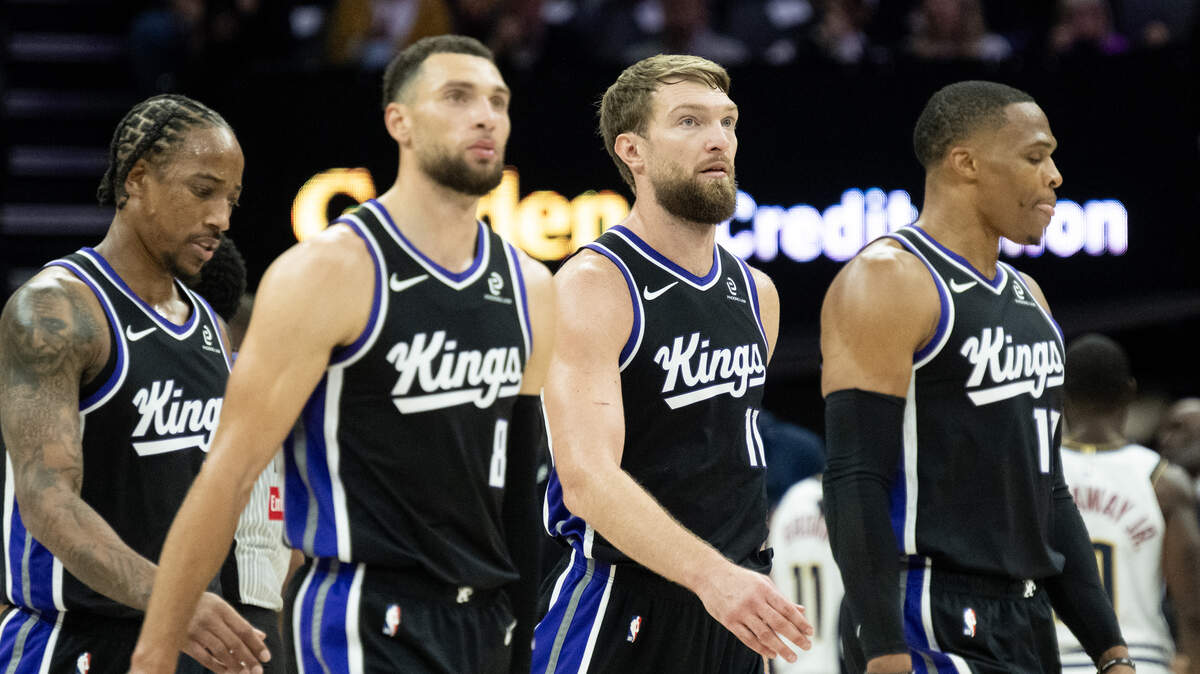
The annual draft grading from the New York Times placed the Memphis Grizzlies at the top of the class, while the Sacramento Kings and Chicago Bulls earned high marks. The New York Knicks, by contrast, received the lowest grade. The evaluation covered all 29 teams that made a selection; the Portland Trail Blazers were the only franchise that did not pick.
Memphis entered the draft holding the No. 3, No. 16 and No. 32 selections. The Grizzlies kept the No. 3 pick to select Cameron Boozer, flipped the No. 16 slot to Oklahoma City for the No. 17 pick and two future second-round selections, and then swapped the No. 17 pick with Detroit for Isaiah Stewart and Karim Lopez, a player projected around No. 21. Those moves left Memphis with No. 2, No. 24 and No. 26 prospects, a veteran backup center, and the two additional second-round picks. The front office’s willingness to move down the board and stockpile assets turned a solid board into a deeper talent pool without sacrificing high-end prospects.
Boozer’s résumé backs the optimism surrounding his pick. As a Duke freshman, he posted one of the most productive inaugural college seasons in recent memory, earning praise for his maturity and desire to improve. Stewart brings a rugged interior presence that fits Memphis’ defensive identity, while Lopez adds depth on the wing. Together they align with Zach Kleiman’s strategy of selecting players who can contribute early while preserving roster flexibility.
The Grizzlies’ approach reflects a consistent pattern of shrewd drafting that has kept the team in the playoff conversation despite a modest payroll. By prioritizing process, evaluating how each decision was reached, and value, Memphis maximized its draft capital. In stark contrast, the Knicks’ low grade stems from a series of missteps that left them with fewer high-upside pieces and limited flexibility to retain emerging talent. The Kings and Bulls also earned commendations for leveraging their picks to address positional needs and maintain competitive windows, underscoring the advantage of a disciplined draft philosophy.
Looking ahead, the Grizzlies’ roster now includes a blend of proven college talent and seasoned depth, positioning the club to compete for a deeper playoff run. The draft grades reinforce a simple truth: teams that treat the selection process as an extension of their broader roster philosophy reap immediate dividends, while those that view it as a one-off gamble often fall short. Memphis sets the benchmark for front offices aiming to translate draft capital into sustained success.
 Sacramento Kings