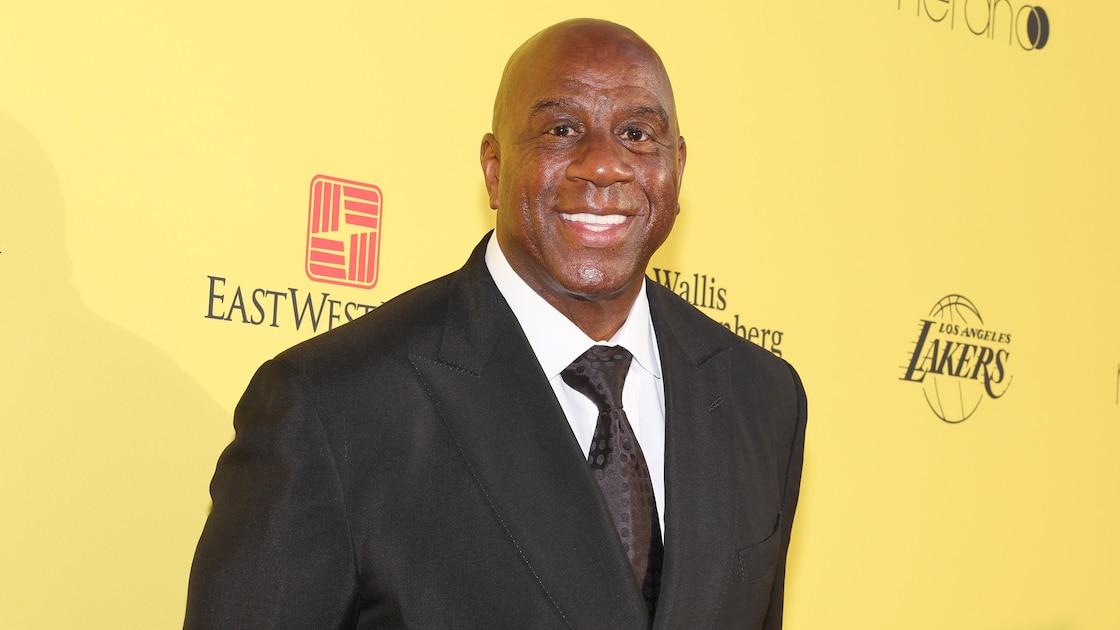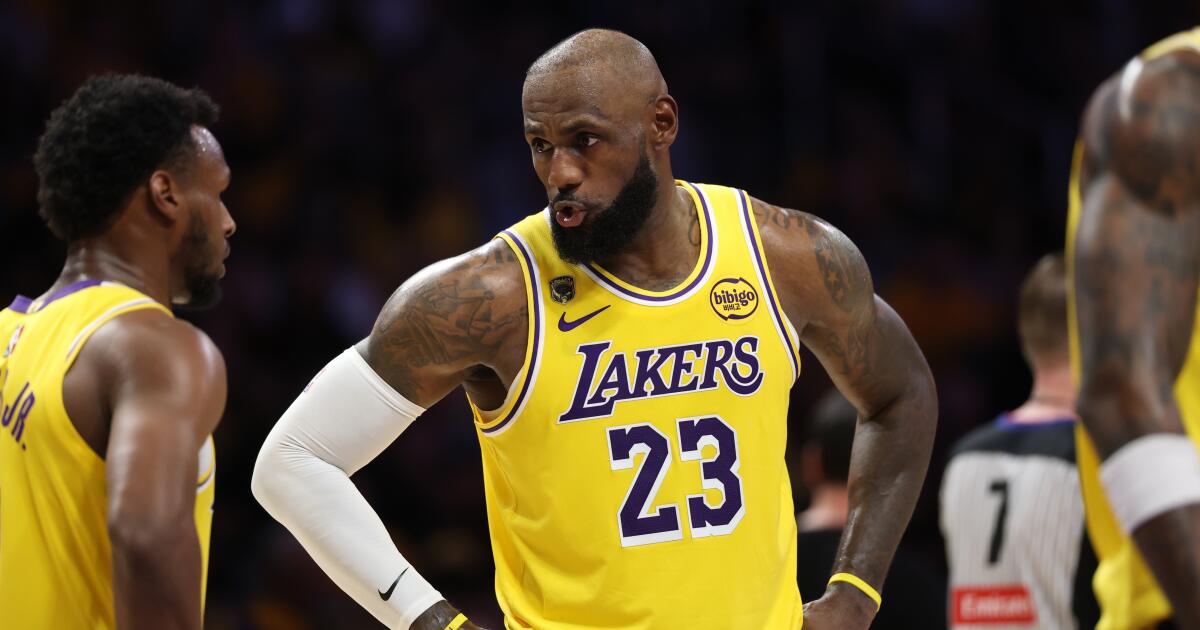
LeBron James announced on X that he will sign with the Philadelphia 76ers for his 24th season, ending a decade of championships and Finals appearances with the Los Angeles Lakers. In return, the Lakers completed a sign-and-trade that sent a 2031 first-round pick, a 2033 first-round pick and future first-round pick-swap rights to the Utah Jazz for Walker Kessler, a 7-foot-2 center who missed most of last season with a torn labrum. Kessler inked a $130 million, four-year contract, a deal the Lakers framed as acquiring a front-court anchor while shedding older, higher-cost pieces.
Kessler arrives with a clear statistical profile. In the 2024-25 season he led the NBA with 4.6 offensive rebounds per game and ranked sixth in the league in dunks per game. At 7-foot-2, he provides a shot-blocking, space-eating presence that can deter opponents from attacking the interior. His timing on handoffs and willingness to screen all night give the Lakers a reliable rim-protecter and a second-chance engine that was scarce after the departures of Deandre Ayton and Rui Hachimura.
The trade also coincided with a broader roster turnover. The Lakers moved on from Deandre Ayton (28), Rui Hachimura (28), Luke Kennard (30) and Marcus Smart (32), as well as Jaxson Hayes (26), the only departing rotation player younger than 28. In their place, younger contributors such as Quentin Grimes (26), Sandro Mamukelashvili (27), Collin Sexton (27) and the incoming Ziaire Willis (still a rookie) earned meaningful minutes. This shift reduces the average age of the rotation while freeing salary that had been tied up in veteran contracts.
From a strategic standpoint, Kessler’s rebounding and defensive instincts address the front-court void left by the older big men. His ability to secure offensive boards aligns with the Lakers’ need for second-chance points, and his shot-blocking complements a perimeter-oriented approach that emphasizes speed and spacing. The combination of a younger bench and a defensively capable center suggests the Lakers have indeed “gotten better” after parting ways with the league’s greatest player, as the source article contends.
Looking ahead, the Lakers’ identity will be defined by how quickly Kessler can translate his rebounding dominance into consistent defensive impact and how the younger pieces adjust to expanded roles. The trade represents a decisive pivot: a franchise that built its recent legacy on one of the game’s all-time greats now seeks to craft a new narrative centered on youth, defensive solidity, and the strategic use of draft assets.