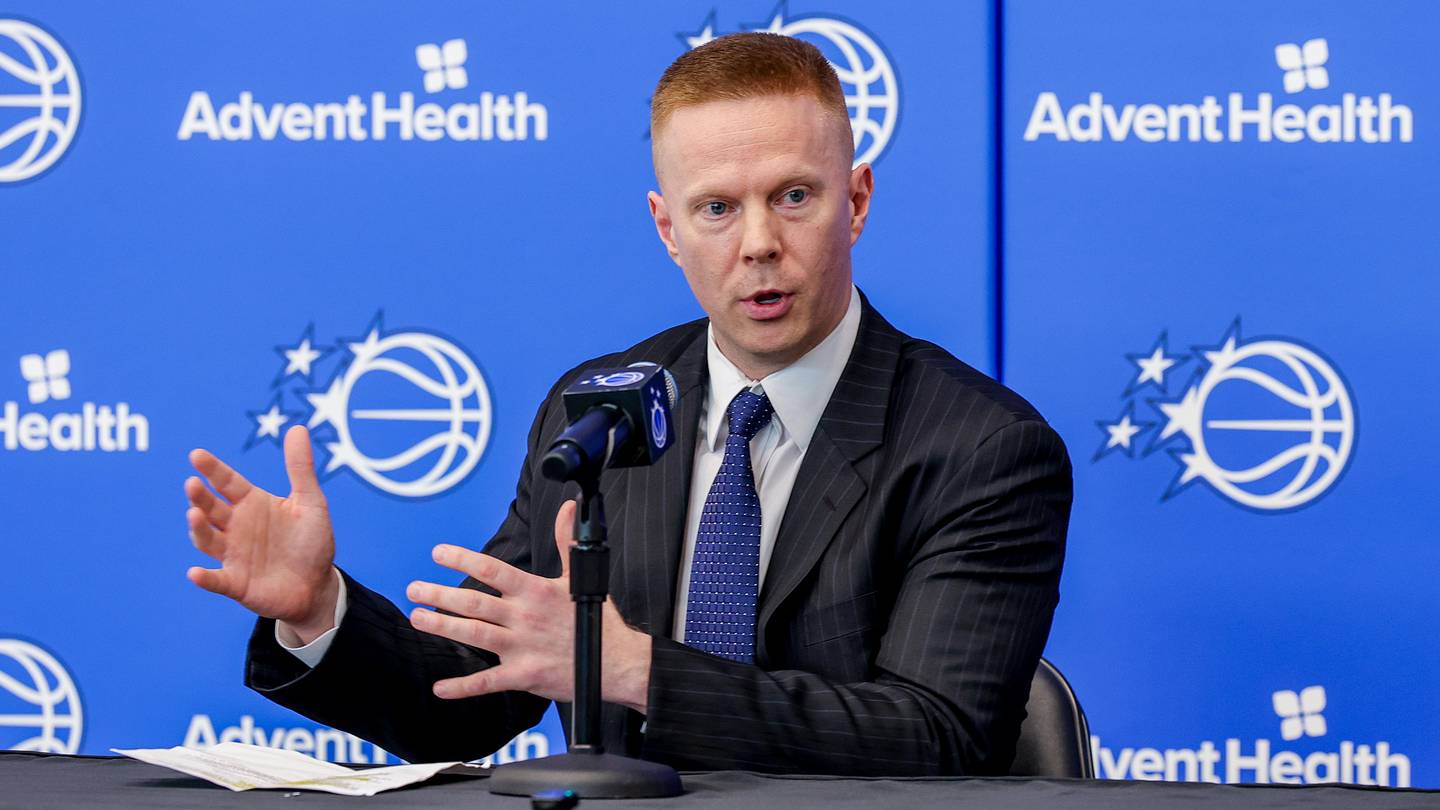
The Orlando Magic own the 46th selection in the 2026 NBA Draft. At the press conference introducing new head coach Sean Sweeney, general manager Jeff Weltman said the club is happy with its current roster and hinted that the second-rounder could be sold for cash considerations, a practice the Magic have employed with picks in this range before.
The 46th slot sits in the middle of the second round, a range where teams often evaluate whether to keep a prospect or flip the pick for assets. The Magic have already used a future second-rounder to shed the Tyus Jones contract they signed last summer, and they previously packaged multiple future second-rounders to move up for Noah Penda. Those moves have left the organization with fewer draft assets to leverage, making the decision on the 2026 pick more consequential.
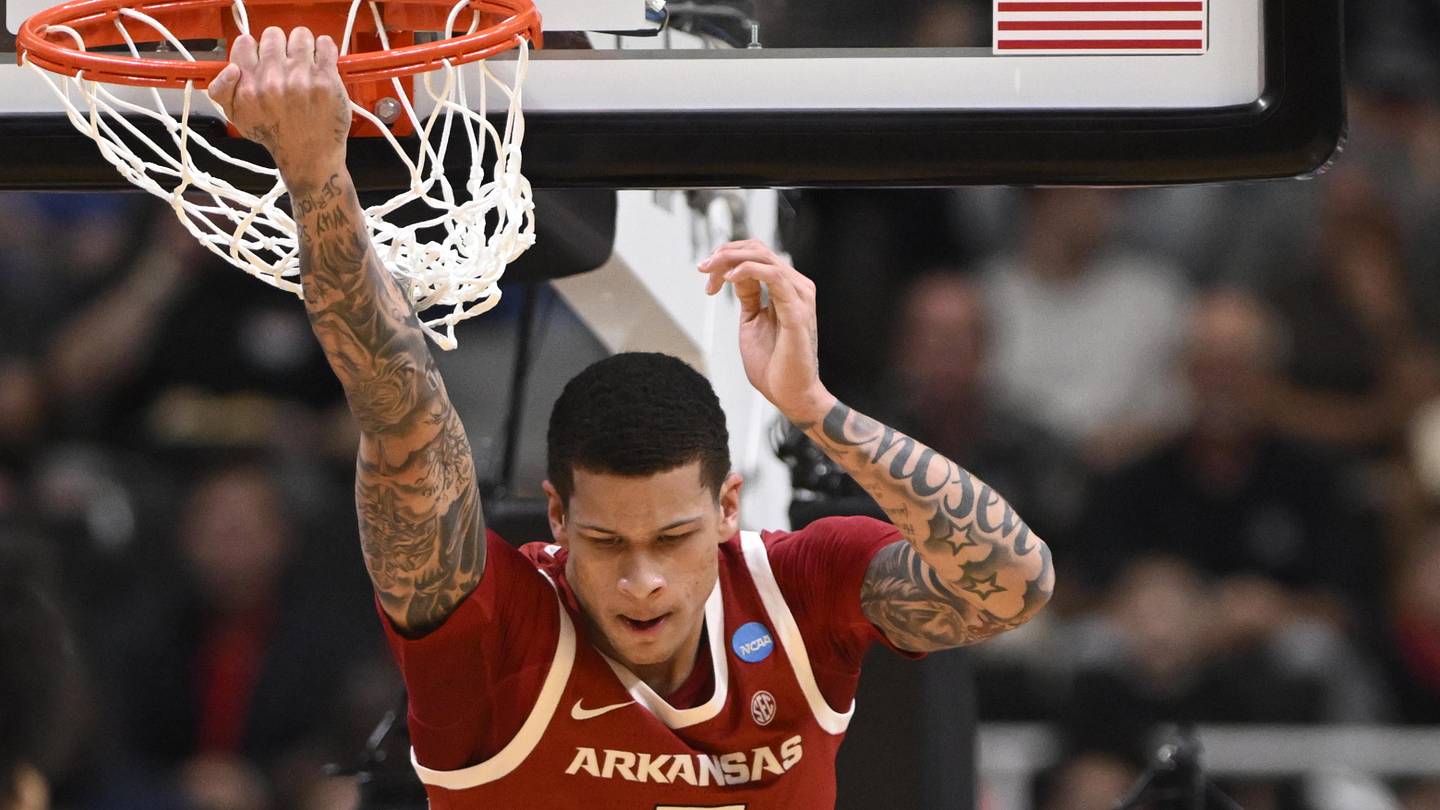
Arkansas forward-center Trevon Brazile, the player the Magic intend to select, is described as an explosive athletic rim runner who can fly down the court on fast breaks. His size at the forward-center position combined with his speed gives him a rare ability to finish above the rim and protect the paint with length.
Brazile’s profile aligns with a clear need in Orlando’s front court: a vertical, high-energy big who can create transition opportunities. The Magic’s current lineup lacks a true rim-running threat, and adding a player with Brazile’s blend of speed and size could diversify an offense that has relied heavily on set-piece execution.
If the Magic retain the pick, they will sign Brazile to a rookie scale contract and integrate him into summer league workouts to gauge his adjustment to the NBA’s pace. Alternatively, a trade partner could emerge, allowing Orlando to convert the pick into cash considerations or a veteran role player, further solidifying the roster while preserving cap flexibility. Both paths reflect the front office’s pattern of using draft assets to fill immediate gaps.
Whichever route the Magic choose, the decision will shape the team’s trajectory as it seeks to blend youthful athleticism with veteran stability, continuing a strategy that has already seen the organization trade future picks to acquire proven talent when the upside matches the cost.
 Orlando Magic