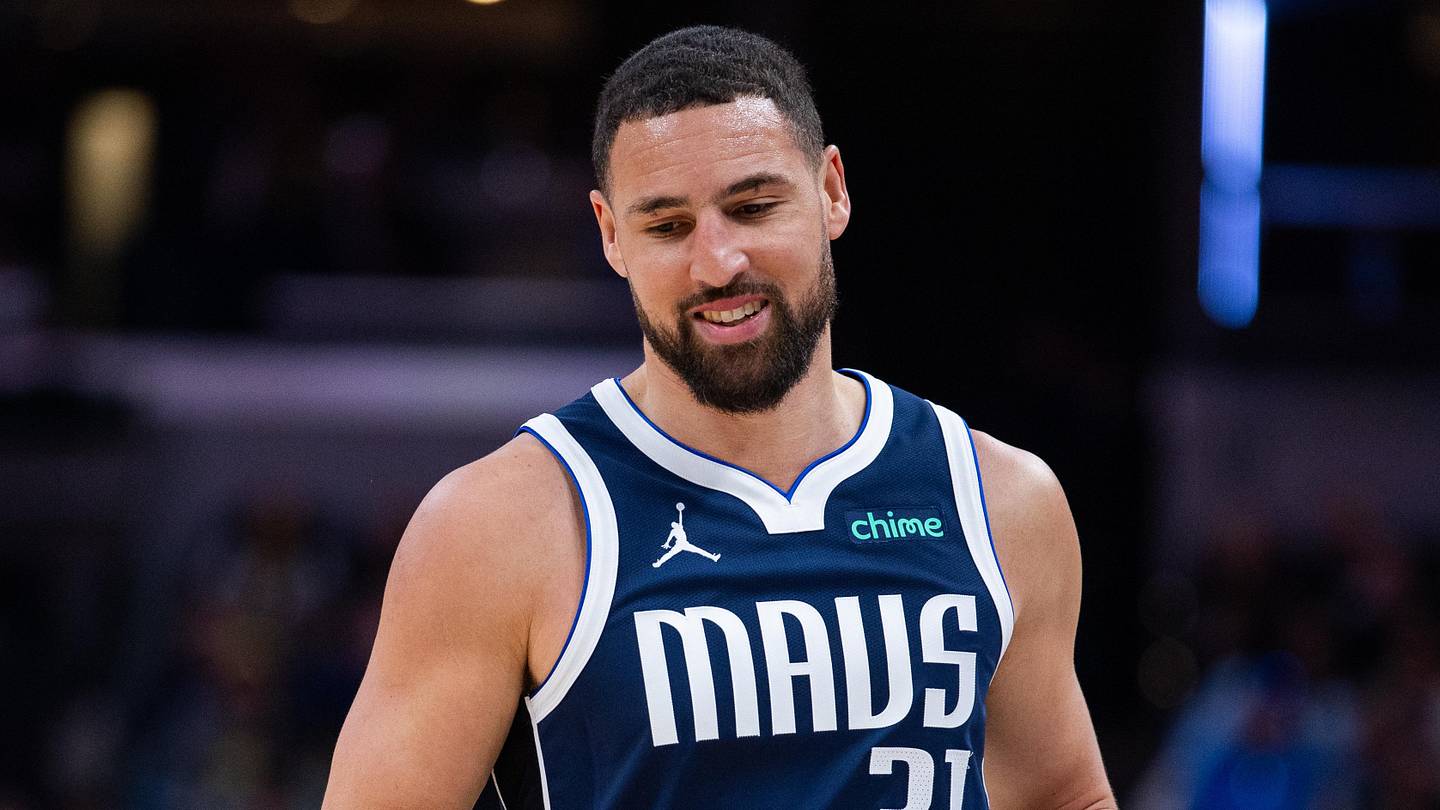
The Dallas Mavericks enter the offseason with a clear offensive dilemma. Without Kyrie Irving, the team fell to the bottom of the league in points per 100 possessions, posting its lowest offensive rating in nearly three decades. The Mavericks also ranked low in assist percentage, three-point makes and half-court scoring efficiency, underscoring a need for better ball movement and reliable perimeter shooting.
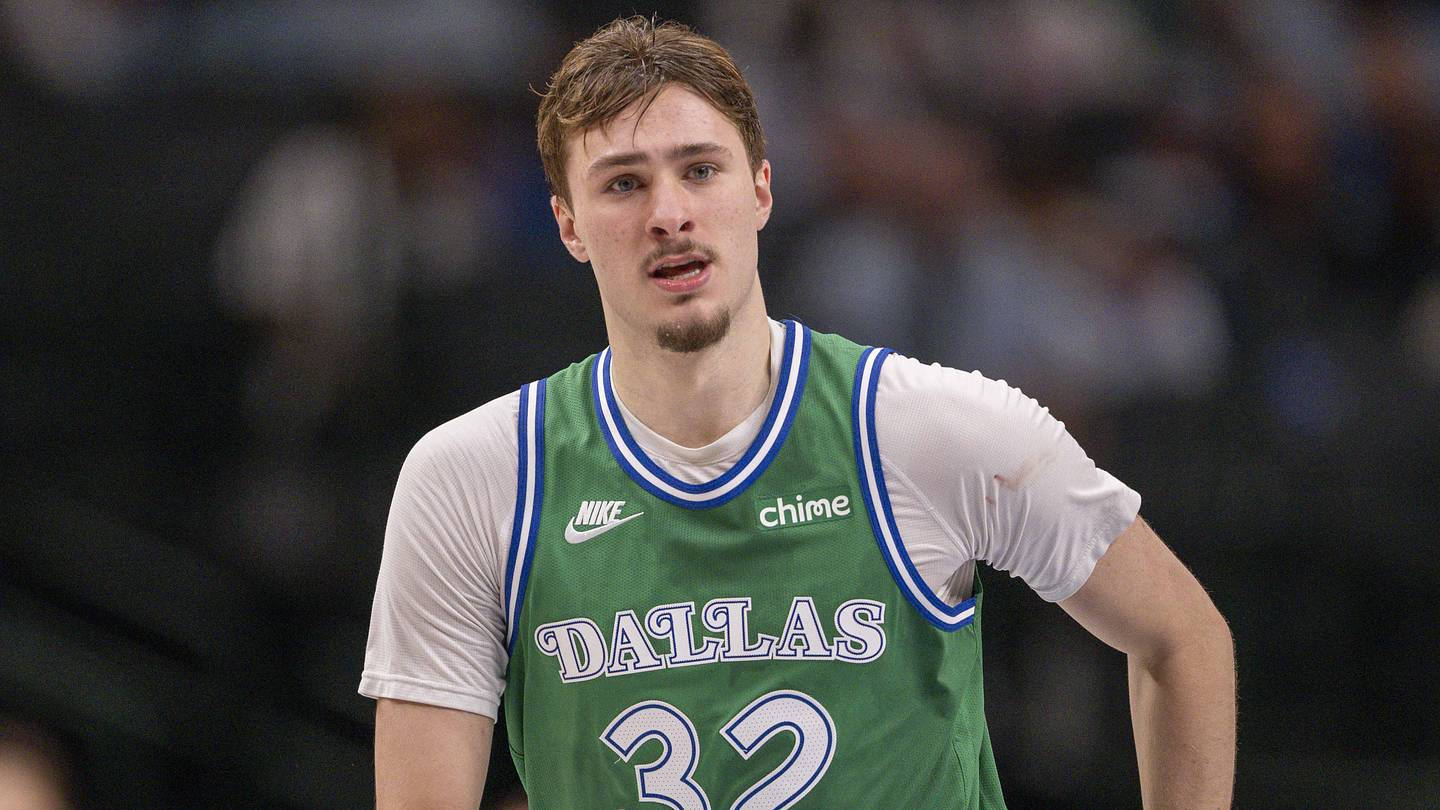
Compounding the problem was the limited role of rookie forward Cooper Flagg, who was surrounded by minimal play creation and outside shooting. That lack of spacing highlighted the urgency of adding a true play-making guard with the No. 9 pick in next week’s draft. The Mavericks have the opportunity to address that void by selecting a backcourt prospect who can generate offense and protect the ball.
One of the most compelling names on the board is Houston’s Kingston Flemings. He is widely regarded as one of the quickest players in this class, possessing an elite north-to-south drive that can break through the first line of defense and finish with a mid-range pull-up jumper. Flemings averaged 5.2 assists to 1.8 turnovers and shot well from three-point range, albeit on low volume. His size, measured just over six feet without shoes and with a wingspan just over six feet, limits him to point-guard duties, a factor that could affect his defensive matchups at the NBA level. Coaches note his unorthodox shooting motion, which brings the ball close to his forehead before release, and suggest it may need refinement.
Arizona’s Brayden Burries and Louisville’s Mikel Brown Jr. present a different profile. Both players are taller than Flemings and can operate as combo guards, offering the positional flexibility that modern NBA teams value. While their statistical outputs are not detailed in the source, their size alone suggests they could mitigate the defensive concerns associated with a smaller point guard, potentially providing the Mavericks with a more versatile backcourt option.
The draft decision will hinge on the Mavericks’ willingness to prioritize elite speed and playmaking versus size and defensive versatility. Selecting Flemings would directly address the assist and turnover issues highlighted by the team’s metrics, but his limited size could pose challenges against larger opponents. Conversely, opting for a taller combo guard could improve defensive matchups at the possible expense of the elite quickness the roster currently lacks. Either choice carries risk, and the outcome will shape how quickly Dallas can lift its offensive rating out of the basement and return to competitive relevance.
 Dallas Mavericks