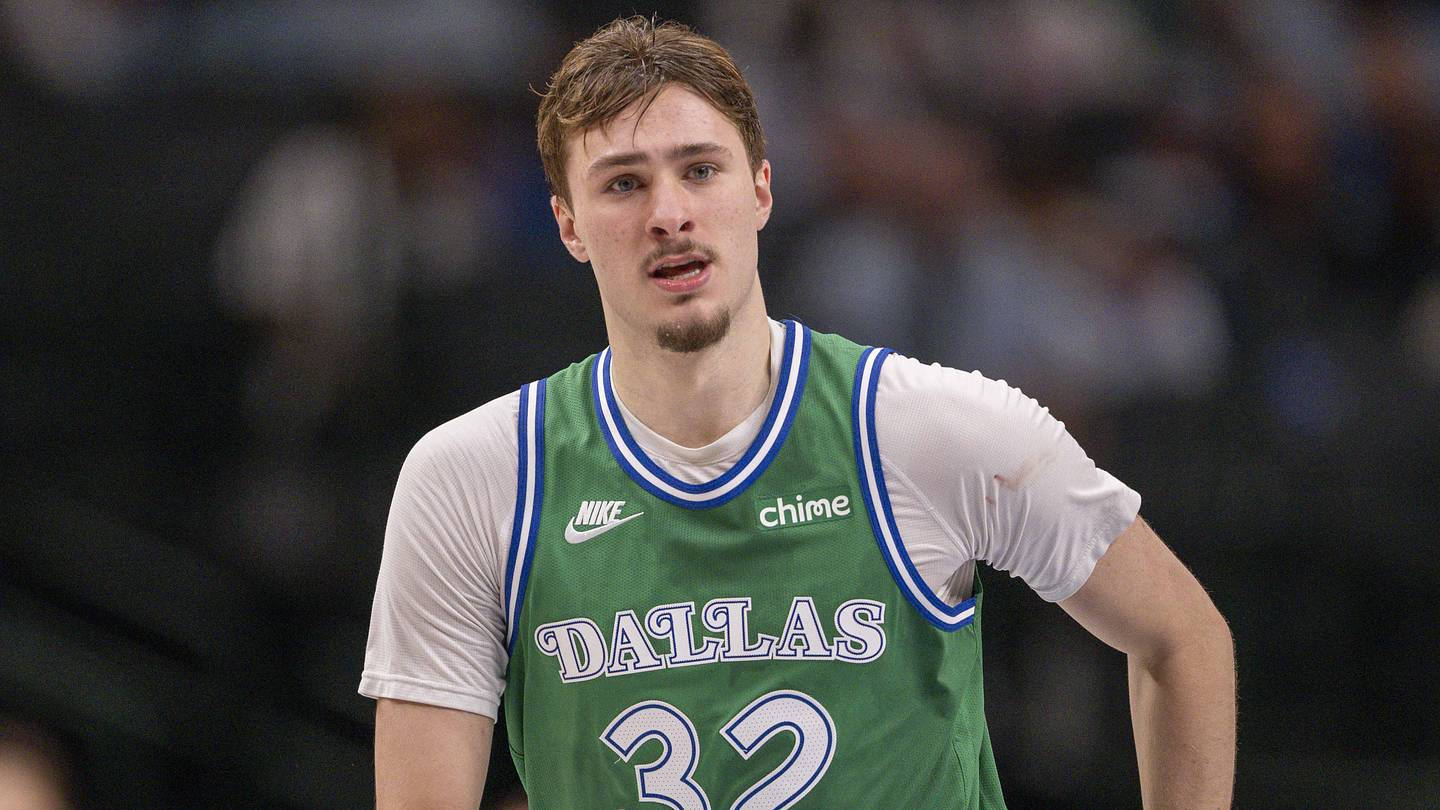
The Dallas Mavericks are openly entertaining a trade-down with the Oklahoma City Thunder as the NBA draft approaches. The concept centers on Dallas moving its draft position lower in exchange for additional assets, a move that would reshape how the franchise builds its roster for the coming years.
At the core of the Mavericks' calculus is a roster anchored by Luka Dončić and Kyrie Irving, two superstars who have already taken the team deep into the playoffs. Their presence creates a sense that the window for contention is narrow, pushing the front office to prioritize immediate contributions over long-term speculation. Giving up a higher pick could free up valuable flexibility to add role players who can slot into the rotation without a steep development curve.
Oklahoma City, on the other hand, has cultivated a reputation for amassing draft capital and leveraging it to acquire talent. The Thunder’s strategy hinges on patience and the belief that a deep pool of picks can be transformed into a sustainable core. By offering multiple later selections, they aim to entice a contender like Dallas to part with a coveted early pick, thereby reinforcing their own asset base.
The trade-down proposition presents a classic dilemma: the certainty of a single high-draft selection versus the upside of several later picks that could unearth hidden gems. For Dallas, the appeal lies in the ability to address multiple roster needs simultaneously, perhaps targeting versatile forwards or defensive specialists who can contribute right away. For the Thunder, the influx of extra picks bolsters their already extensive draft arsenal, ensuring they remain active in future talent acquisition.
Financially, the Mavericks operate with limited cap breathing room, making the cost-effective nature of rookie contracts attractive. By trading down, they could acquire players on inexpensive deals and preserve cap space for potential free-agency moves that align with their win-now timeline. The Thunder’s comparatively roomy cap situation gives them the latitude to absorb larger contracts, making them an ideal partner for a swap that benefits both sides.
Ultimately, the decision will hinge on how Dallas evaluates its championship aspirations against the risk of relinquishing a premium pick. If the Mavericks believe that their current core can contend without a top-tier rookie, the trade-down could be a savvy maneuver. Conversely, if they judge that a single elite prospect could tilt the balance in their favor, holding steady may be the wiser path. The conversation will intensify as the draft draws near, and the outcome will reveal much about each franchise’s strategic priorities.
 Dallas Mavericks