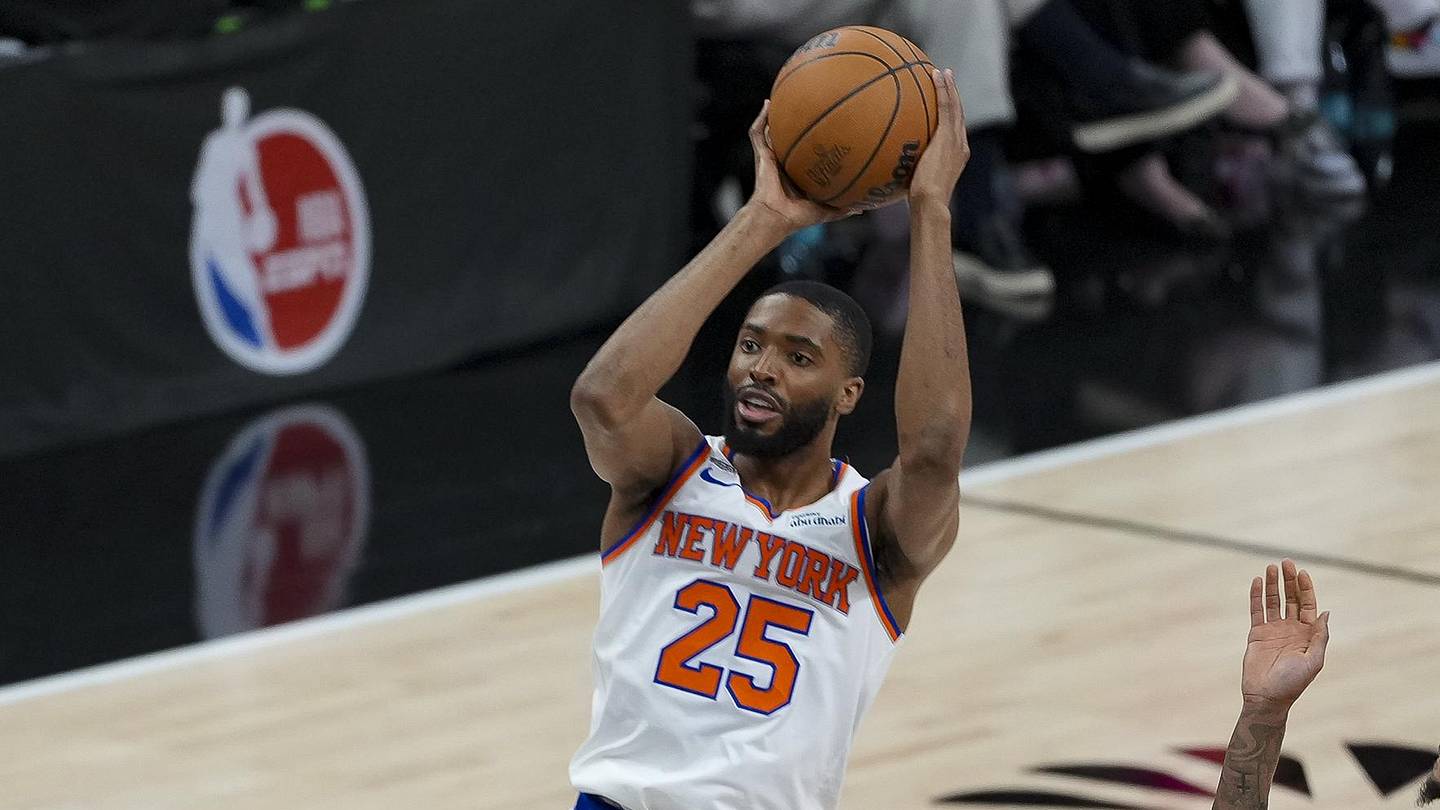
Two years ago, the Brooklyn Nets and New York Knicks executed a rare crosstown trade, sending Mikal Bridges to the Knicks in exchange for a substantial haul: five first-round picks and an unprotected pick swap in 2028. Many Nets fans, reeling from the team's pivot, viewed the return as a necessary replenishment of draft capital for a player who, outside of a scorching 27-game stretch in Brooklyn, was seen primarily as a high-level role player. The Knicks, on the other hand, had a clear objective, and with Bridges playing a vital role in their championship success, the immediate perception is that they unequivocally won the trade.
However, the narrative isn't quite so cut and dry for the Nets. Brooklyn received five first-round picks and an unprotected pick swap in 2028. This is a treasure chest of future assets, particularly given the long-term nature of some of those unprotected New York picks. Bridges, for his part, didn't prove to be good enough to handle being the No. 1 option of a team. He also seemed to signal a desire to play for the other New York team, often seen hanging out with his former Villanova buddies after games and on podcasts and publicly voicing his displeasure with Knicks fans invading the Barclays Center.
The real basketball analysis here hinges on the perceived ceiling of Mikal Bridges as a primary offensive initiator versus his value as a high-end complementary piece. While he delivered two iconic moments in New York's run to the Eastern Conference Finals and contributed to their championship, his offensive fit and streaky shooting in the Knicks' system have raised questions. Bridges is an exceptional two-way player, but the Nets, by moving him, acknowledged he wasn't the number one option needed to build a contender, opting instead for a future-focused pivot.
The wider context of this trade reveals a Knicks front office willing to mortgage its future for immediate contention, a strategy that ultimately paid off with a championship. The Nets, conversely, are playing a longer game, accumulating assets for a future build. They've already utilized two of the acquired picks to draft Nolan Traoré and Ben Saraf. Traoré has shown flashes of becoming at least a rotational two-way guard in the future, but the jury is still out on Saraf.
What happens next for the Nets involves the careful cultivation of their young talent and the strategic deployment of their remaining draft capital. Brooklyn still owns New York's first-round picks in 2027, 2029, and 2031. These later picks, especially, could prove incredibly valuable if the Knicks' current core ages out or their championship window closes. The Nets will need to assess the development of Traoré and Saraf, make judicious decisions in upcoming drafts, and potentially consolidate some of their numerous future picks to acquire a star who can truly lead their next competitive iteration. The timeline extends far beyond New York's immediate triumph, offering Brooklyn a patient path to long-term contention.

 Brooklyn Nets