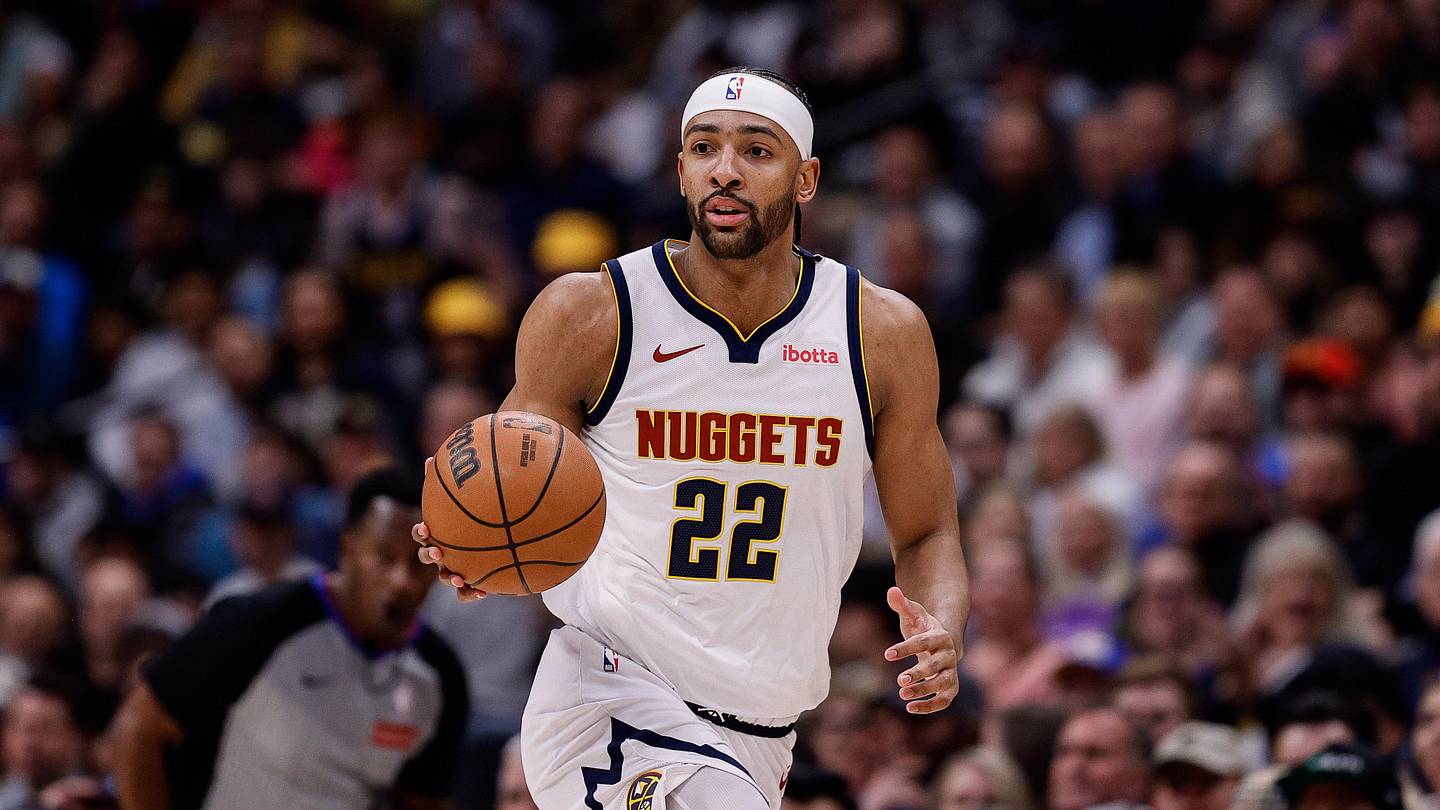
The margin for error in the modern NBA has shifted from the hardwood to the ledger. For a championship contender like the Denver Nuggets, the challenge of maintaining a cohesive roster around a generational superstar is no longer just about scouting and player development.
It is increasingly about navigating the punitive restrictions of the collective bargaining agreement. As the 2026 NBA Draft approaches, the front office in Denver finds itself at a crossroads that could define the next several years of their competitive window.
Recent reporting suggests that the Nuggets are exploring various avenues to optimize their roster flexibility. According to Jake Fischer of The Stein Line, Denver is among a group of teams positioned in the late first round that may be looking to trade up.
This indicates a desire to aggressively target a specific talent who can contribute to a rotation that has occasionally looked thin during deep playoff runs. Holding the 26th overall pick provides a degree of leverage, but it also serves as a tempting chip for a team looking to solve internal financial pressures.
While moving up in the draft is a standard ambition for aggressive front offices, another possibility has emerged that highlights the colder side of team building. Michael Scotto of HoopsHype reports that the Nuggets have signaled a willingness to discuss a trade package involving forward Zeke Nnaji and the 26th overall pick.
This potential move is not necessarily about moving up the draft board to secure a higher-tier prospect. Instead, it appears to be a calculated effort to manage the team's standing relative to the second apron of the luxury tax.
The second apron represents a significant hurdle for teams with high payrolls, as it triggers various restrictions on trades, mid-level exceptions, and even the future utility of first-round picks. For the Nuggets, being projected to sit near this threshold forces a difficult conversation about the cost of their current bench.
Nnaji, a 25 year old forward, signed a four-year extension worth $32 million in 2023. At the time, the deal was seen as a way to lock in a mobile, versatile frontcourt player who could grow alongside the core.
However, the reality on the court has not yet matched the financial commitment. Since signing that extension, Nnaji has struggled to maintain a consistent spot in the rotation.
An average annual salary of $8 million is manageable for a productive rotation player, but it becomes a burden when that player is unable to provide reliable minutes during the regular season or the postseason. This lack of production has turned a proactive extension into a contract that the front office may now regret.
Using a first-round pick to offload a contract is a common tactic in the NBA, but it is one fraught with long-term risk. The 26th pick represents a cost-controlled asset for four years, a vital commodity for a team paying maximum salaries to multiple stars.
If the Nuggets were to trade the pick simply to shed Nnaji’s salary, they would essentially be paying a premium to fix a previous self-inflicted mistake. This creates a vacuum in the pipeline of young talent that Denver has relied on to fill out its depth.
The stakes of such a move are high because of the limited avenues available for roster improvement once a team crosses into the higher tiers of the luxury tax. If Denver walks out of the first night of the draft without making a selection, they lose the opportunity to add a player on a rookie-scale contract who could potentially provide more value than a veteran signed to a minimum deal.
The ability to find players like Christian Braun or Peyton Watson late in the draft has been a hallmark of Denver's recent success, making the potential loss of the 26th pick even more significant.
There is also the possibility that the Nuggets are looking to have it both ways. If Nnaji can be used as a salary filler in a trade that allows Denver to move up, the front office could simultaneously solve a financial problem and improve their draft position.
This would be the ideal scenario, turning a distressed asset and a late pick into a higher-upside player. However, the market for a player who has struggled to stay in a rotation while owed $32 million is likely to be limited, often requiring the inclusion of an asset like a first-round pick just to facilitate the deal.
The league-wide perception of the 2026 draft class will also play a role in how these negotiations unfold. If other teams view the talent available at the 26th spot as comparable to those in the early second round, Denver’s pick might not carry the weight needed to dump a contract without additional sweeteners.
Conversely, if there is a specific prospect that a rival team covets, Denver could find the partner they need to gain the financial breathing room they desire. The internal scouting reports on the available talent will dictate whether the front office feels the 26th pick is too valuable to give up for mere cap relief.
Fan anxiety often mirrors these front-office dilemmas. The collective understanding among the Denver faithful is that the prime years of their core must be maximized at all costs.
Seeing a first-round pick used as a functional eraser for a contract extension can be a difficult pill to swallow, especially when the team needs more rim pressure and reliable bench scoring. The tension lies in whether the immediate relief of staying under the second apron outweighs the long-term benefit of a young, cheap player who could develop into a rotation mainstay.
If the Nuggets do proceed with a trade that involves Nnaji and the pick, the return will be scrutinized for how it impacts the team's depth. A trade that purely dumps salary might help the bottom line and provide more flexibility under the tax, but it does little to address the on-court needs that were exposed in recent playoff exits.
The front office must weigh the benefit of financial agility against the reality of a roster that needs more than just a balanced checkbook to return to the summit of the league.
The reporting from Fischer and Scotto suggests a team that is actively weighing every possible outcome. Whether they trade up to find a contributor or trade out to fix their cap sheet, the Nuggets are clearly aware that their current trajectory requires a delicate touch.
The decision to move a first-round pick is never made in a vacuum, and for Denver, it is a choice between preserving their future assets and addressing the immediate fiscal realities of a championship-caliber payroll.
The danger of a disaster scenario, as noted in recent analysis, is real. Losing the 26th pick to move off a contract that the team itself negotiated only a year ago would be a harsh admission of a tactical error.
In an era where the second apron can effectively freeze a team's ability to improve, every transaction carries the weight of potential stagnation. Denver's management is now tasked with ensuring that their attempt to gain financial flexibility does not come at the cost of the talent required to support their championship ambitions.
As the draft night clock begins, the league will be watching to see if Denver prioritizes the development of a new rookie or the correction of an old contract. The path they choose will signal their confidence in the current bench and their strategy for navigating the increasingly complex financial landscape of the NBA.
A misstep here would not just be a lost pick, but a significant blow to the resource management required to sustain a title contender in a high-tax environment.
 Denver Nuggets