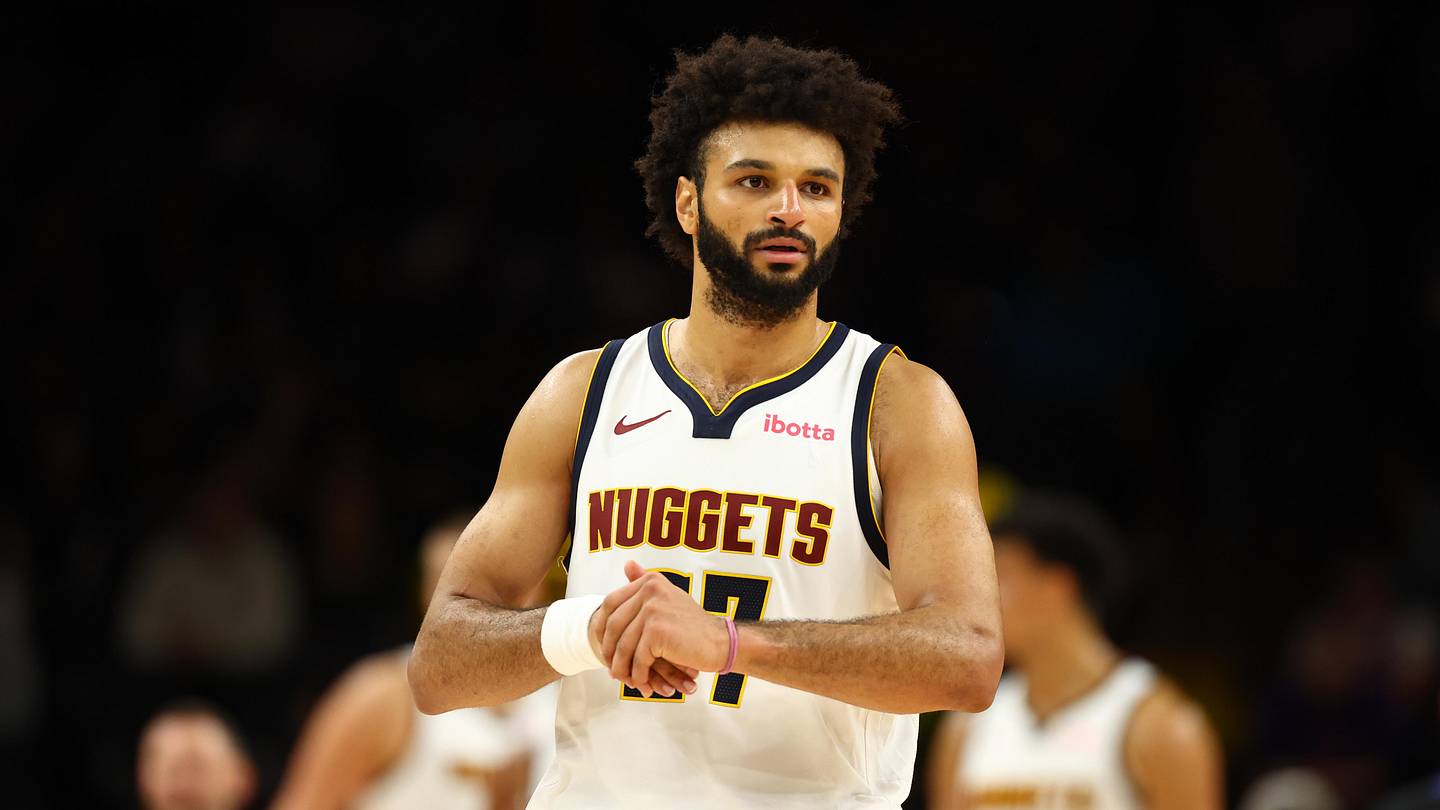
The Denver Nuggets lost to the Minnesota Timberwolves 4-2 in the first round after winning 54 regular-season games. That result has raised immediate questions about whether to move Jamal Murray while his value remains high.
Murray posted career highs of 25.4 points, 7.1 assists and 3.3 threes per game on 48.3 percent shooting from the field and 43.5 percent from three in 75 games. He earned his first All-Star nod and All-NBA Third Team honors before the playoffs, where his efficiency dropped and the Nuggets' supporting cast failed to generate enough consistent spacing or defense.
Murray signed a max extension in September 2024. The deal carries annual salaries climbing from $46.4 million in 2025-26 to $50.1 million in 2026-27 and beyond, locking him in through 2028-29. That price tag limits Denver's ability to add complementary pieces around Nikola Jokic, especially when Murray's on-ball creation and off-ball movement have not translated into reliable half-court execution against physical playoff defenses.
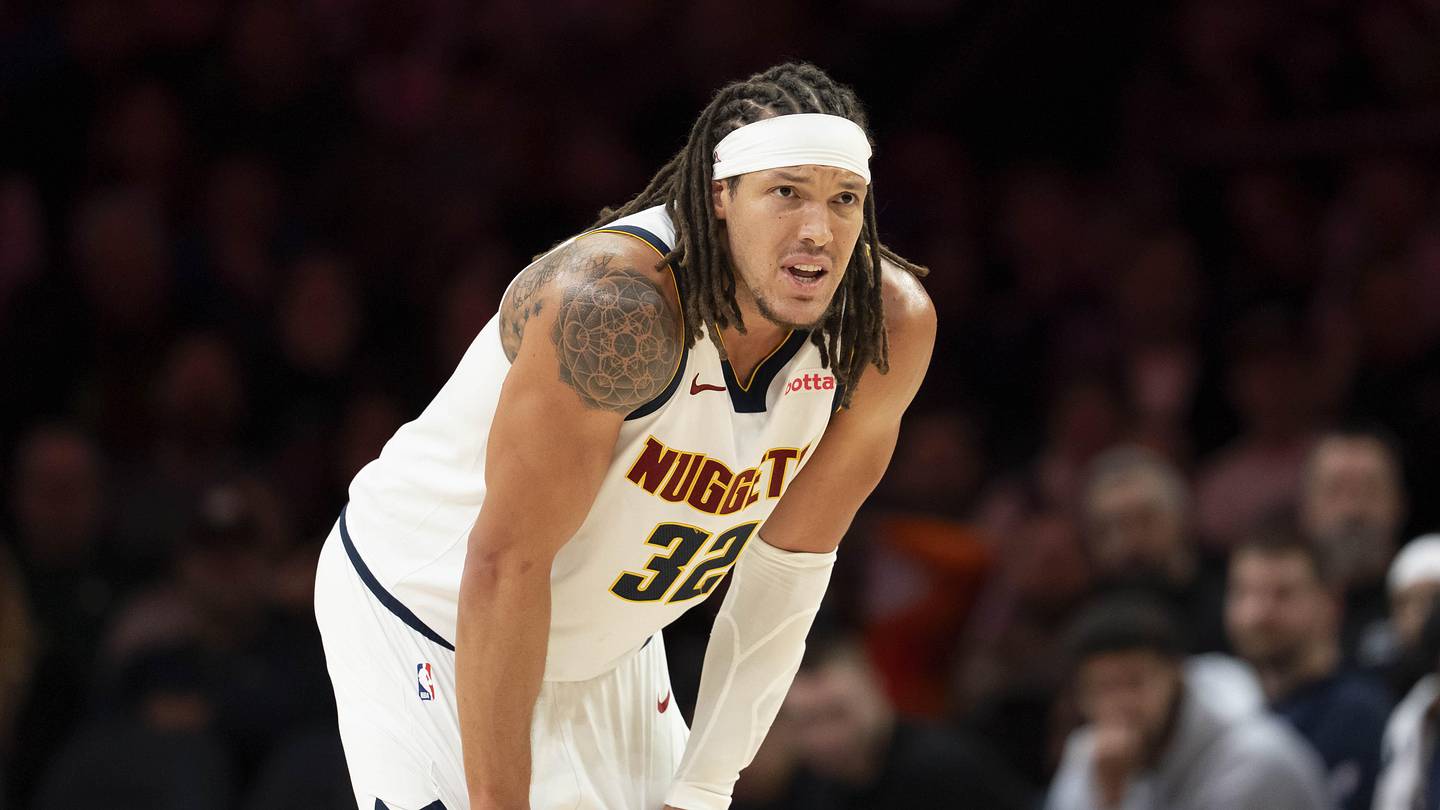
The front office has already signaled flexibility on non-Jokic assets to address luxury-tax constraints and roster imbalance. Aaron Gordon remains under contract at roughly $32 million annually, while younger wings like Peyton Watson offer cheaper defensive upside that could pair better with a different backcourt partner.
Denver must decide by the June 2026 draft and subsequent free-agency window whether to pursue packages that return immediate rotation help or future first-round capital. Any deal would need to clear enough salary to stay under the apron while preserving Jokic's ability to dominate without a high-usage co-star.
Holding Murray risks repeating the same offensive stagnation that ended the season early. Cashing in now could reset the supporting cast before Jokic's prime window closes.
 Denver Nuggets
