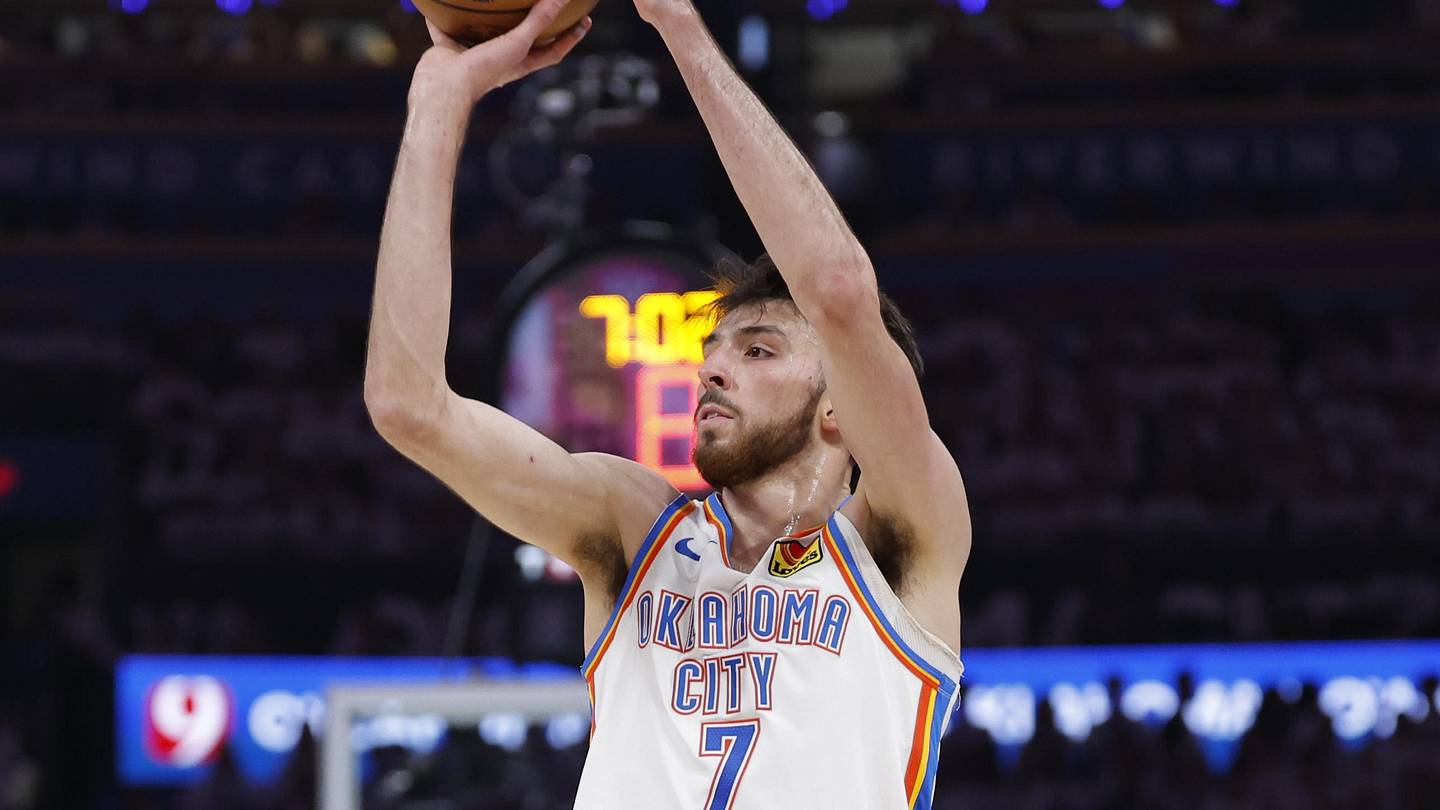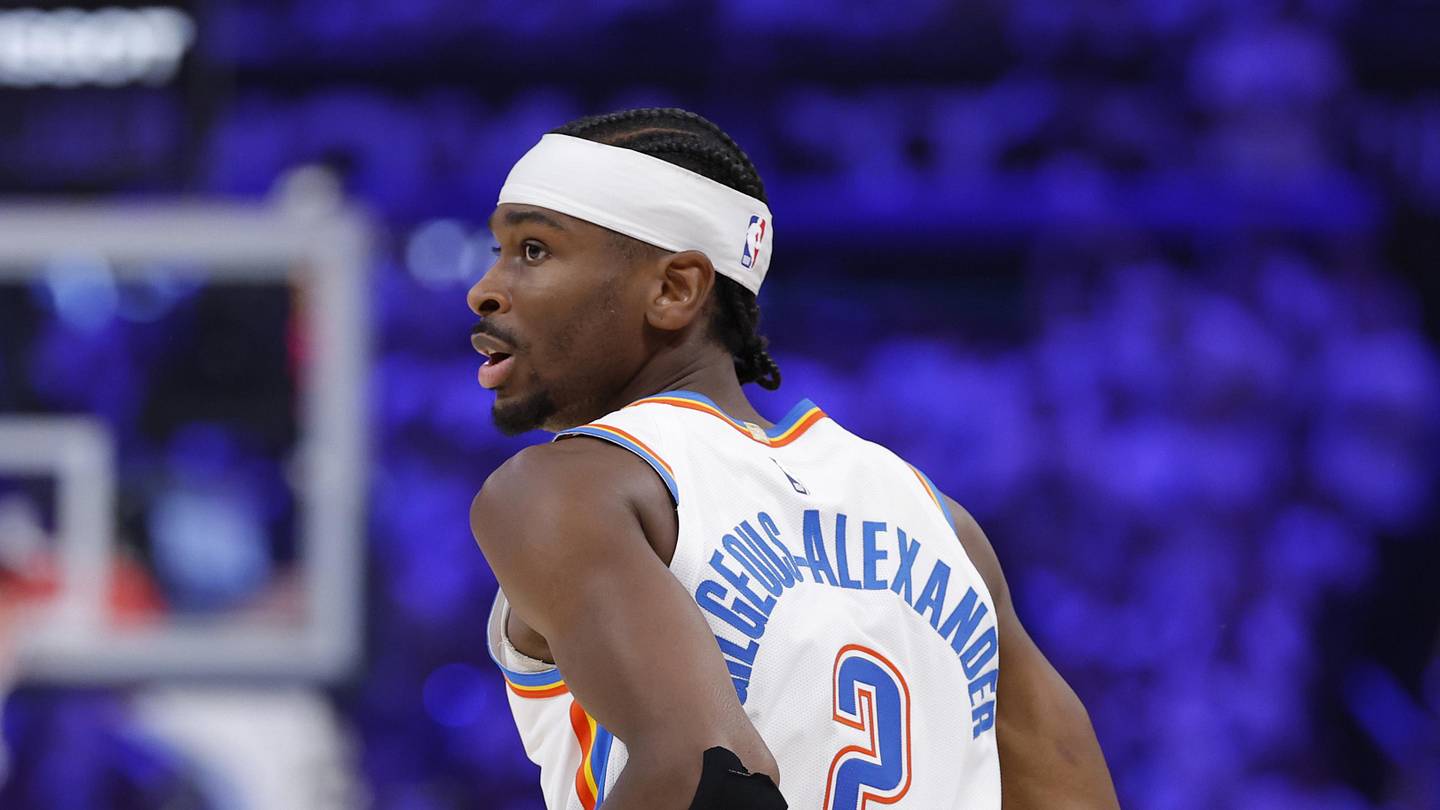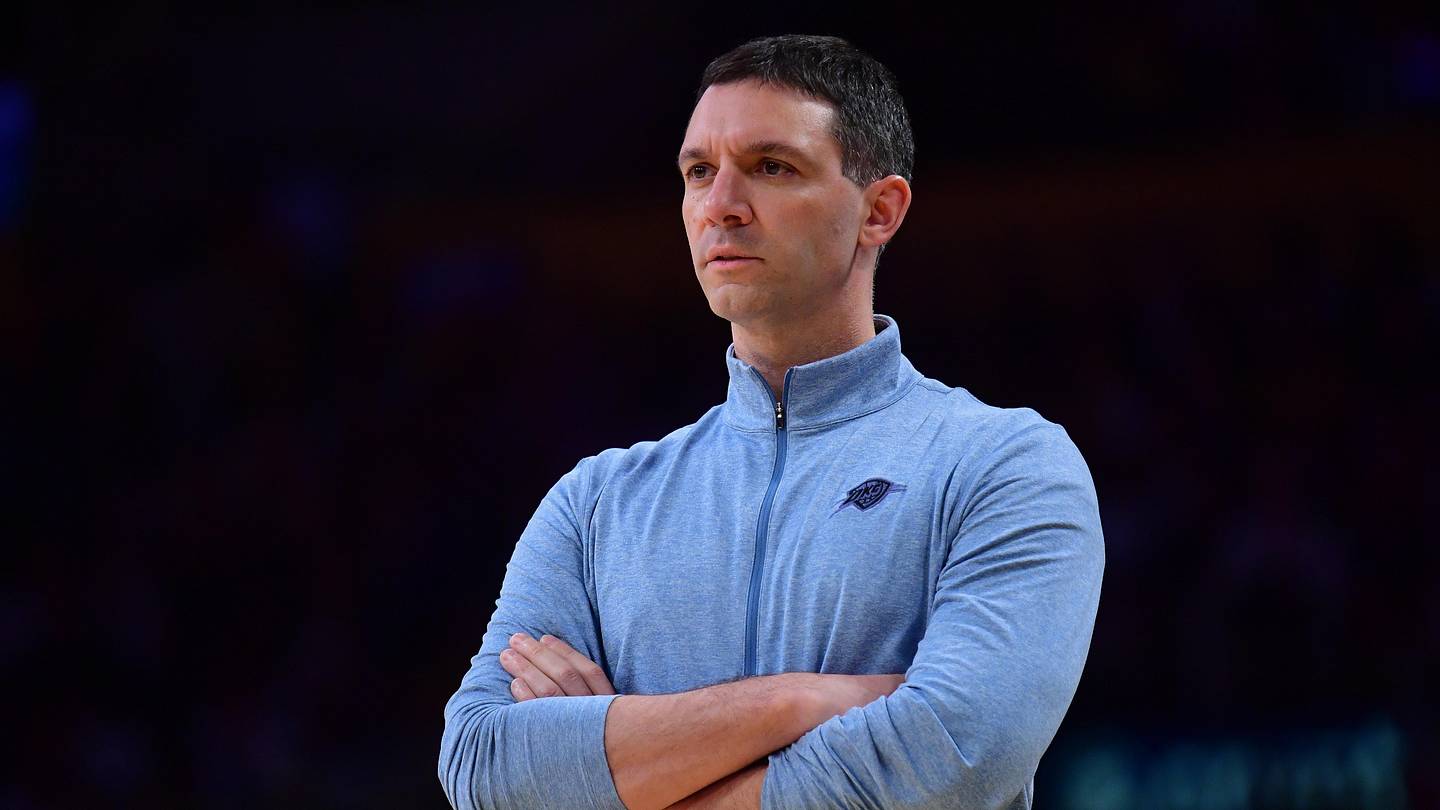
Oklahoma City fell 111-103 to the San Antonio Spurs in Game 7 of the Western Conference finals on May 30 at Paycom Center. The loss ended a season in which the Thunder finished 64-18 and earned the top seed for the second straight year. It came despite home-court advantage and followed a 4-3 series defeat marked by injuries that limited key contributors throughout the playoffs.
The Thunder posted a 64-18 record in 2025-26 after a 68-win campaign the prior season. That stretch produced 132 regular-season victories and the franchise's first title in Oklahoma City. Shai Gilgeous-Alexander averaged 31.1 points while the team scored 119.0 points per game. Injuries forced adjustments that carried into the postseason, where Oklahoma City went 11-4 before the conference finals exit.
The Spurs' road victory in Game 7 showed how home-court advantage matters less when a healthy contender can exploit mismatches created by absences. Oklahoma City's defense, which allowed just 107.9 points per game in the regular season, could not fully compensate for missing rotation pieces against San Antonio's length and spacing. Victor Wembanyama and Julian Champagnie combined for efficient scoring on the perimeter.
This core has now navigated three straight deep playoff runs, including the 2025 championship, and showed incremental improvement in road performance during the postseason. With the Western Conference landscape still dominated by the Spurs as the primary rival, front-office decisions will likely focus on roster continuity rather than chasing another 60-win season at the expense of player availability.
Heading into free agency and training camp, Oklahoma City faces concrete choices around load management and depth additions before the October 2026 start of the 2026-27 regular season. Any moves that preserve health for a potential rematch will take precedence over marginal regular-season gains that no longer guarantee home-court security in a decisive game.
The Game 7 result reframes the value of the top seed for a team that already proved it can compete at full strength but struggled when depleted.
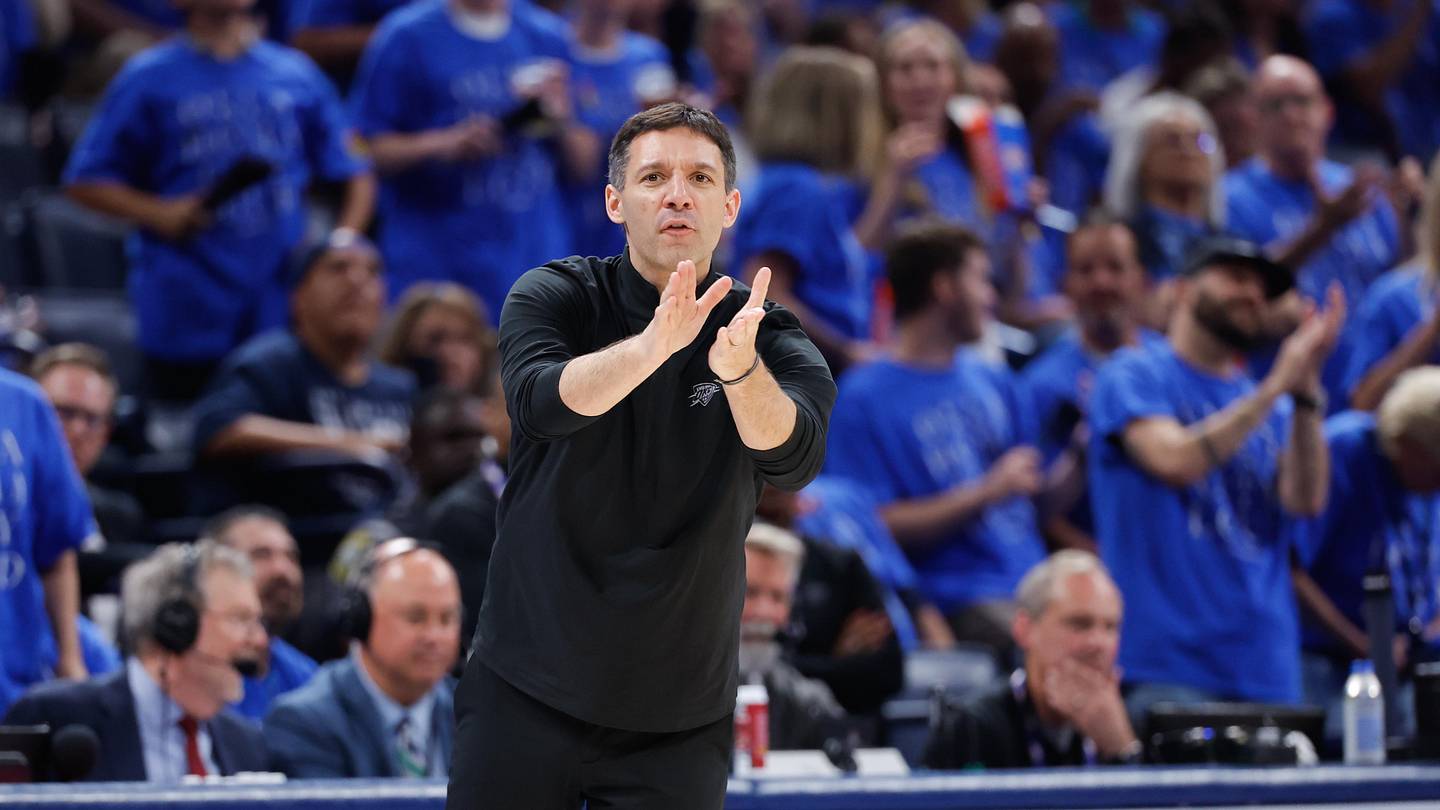
 Oklahoma City Thunder