On July 14, 2026 the Denver Nuggets hosted the Oklahoma City Thunder in a preseason showcase that offered the first look at both clubs after a busy off-season. The Nuggets entered the game with a roster that still includes Nikola Jokic, Jamal Murray and Michael Porter Jr., while the Thunder fielded a core of Shai Gilgeous-Alexander, Chet Holmgren and rookie Josh Giddey. The matchup was billed as a test of Denver’s depth against Oklahoma City’s emerging talent, and it set the tone for the early part of the summer schedule.
Jokic’s historic supermax extension remains the league’s largest contract. That deal anchors Denver’s cap structure and gives the front office flexibility to add complementary pieces around the superstar. Murray’s contract keeps the All-Star guard under team control for years to come. Porter Jr.’s extension adds substantial money to the books as well. The Thunder have maintained a sub-cap payroll thanks to the remaining years on Gilgeous-Alexander’s rookie deal and a modest extension for Holmgren. That structure allows Oklahoma City to explore veteran additions without jeopardizing future flexibility.
From a tactical perspective, Denver’s offense still revolves around Jokic’s playmaking ability. His high assist totals force opponents into tight defensive schemes that can choke off driving lanes and secondary scoring. The Thunder have leaned on Gilgeous-Alexander’s isolation scoring, which creates constant pressure on opposing defenses. Holmgren’s rim protection pairs with Giddey’s pass-first mentality to create a transition engine. That group can exploit Denver’s occasional lag in speed after a half-court set. The preseason contest highlighted how the Nuggets’ depth, particularly the bench contributions from Kentavious Caldwell-Pope and Aaron Gordon, can mitigate the Thunder’s youthful inexperience in high-pressure moments.
The game fits into a broader narrative for both franchises. Denver’s front office has signaled a willingness to retain the Jokic-Murray tandem while probing the trade market for a reliable backup point guard. Such a move could solidify the team’s late-season rotation and ease the burden on Murray during the grind of a long Western Conference schedule. Oklahoma City’s management continues to prioritize the development of their home-grown core. The approach means avoiding major trades that would disrupt the team’s chemistry built through shared experience and continuity.
Both clubs are watching each other closely as they prepare for a Western Conference that now includes a resurgent Los Angeles Clippers squad and a Phoenix Suns team that finally resolved its front-court doubts. The July 14 game, while not a decisive win-loss record, offers each coaching staff concrete data on rotations, defensive assignments and the effectiveness of newly signed role players. Those insights will shape roster decisions before the league-mandated trade deadline on February 1. Both clubs will either double down on their current paths or pivot in response to the evolving Western Conference landscape.
Looking ahead, the Nuggets open the regular season against the Utah Jazz. That game will test whether their preseason depth translates into a sustainable start. The Thunder’s next challenge comes when they travel to Phoenix. It could determine if their young core can compete against a veteran-laden lineup. The insights gained from the July 14 preseason meeting will influence how each staff deploys its talent over the coming months.
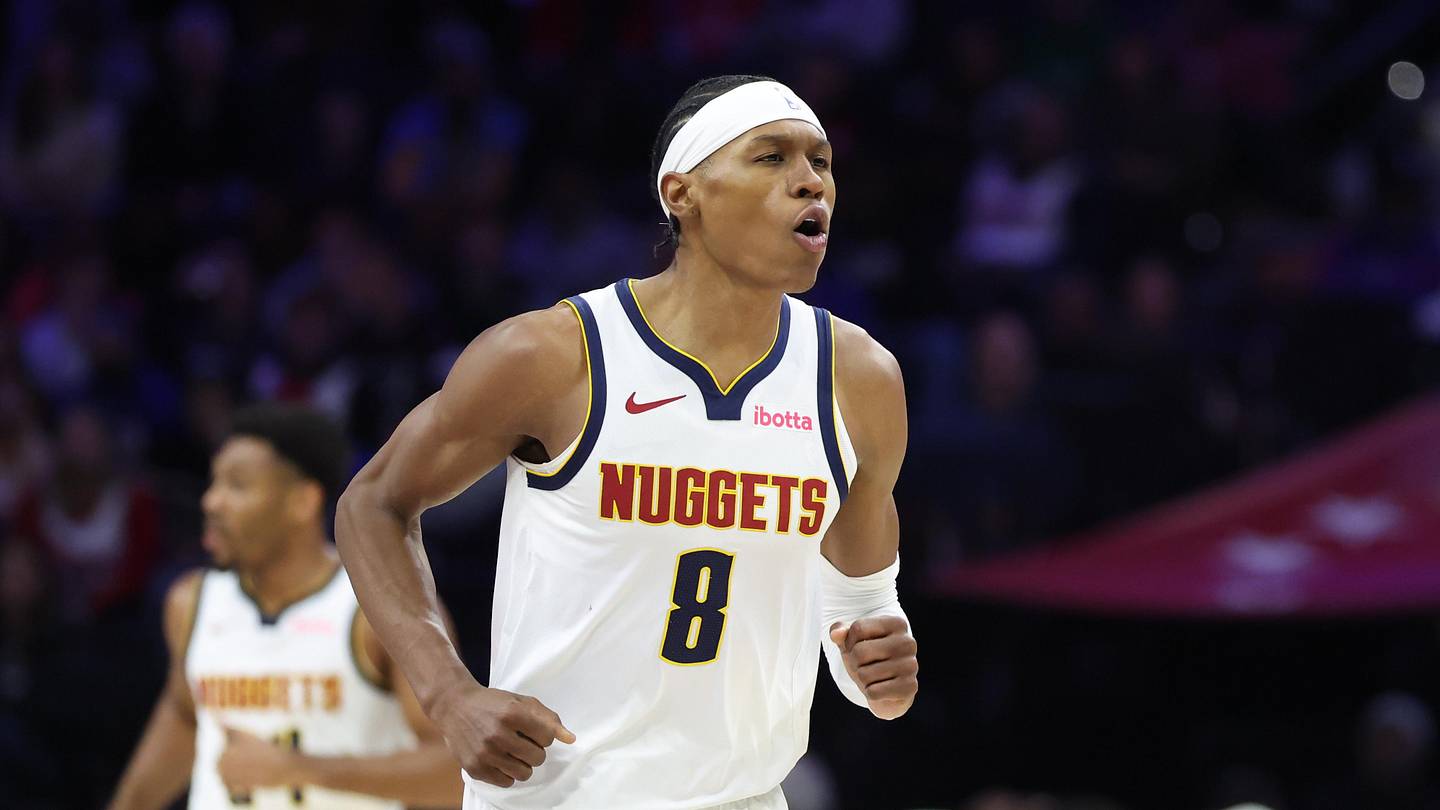
 Denver Nuggets