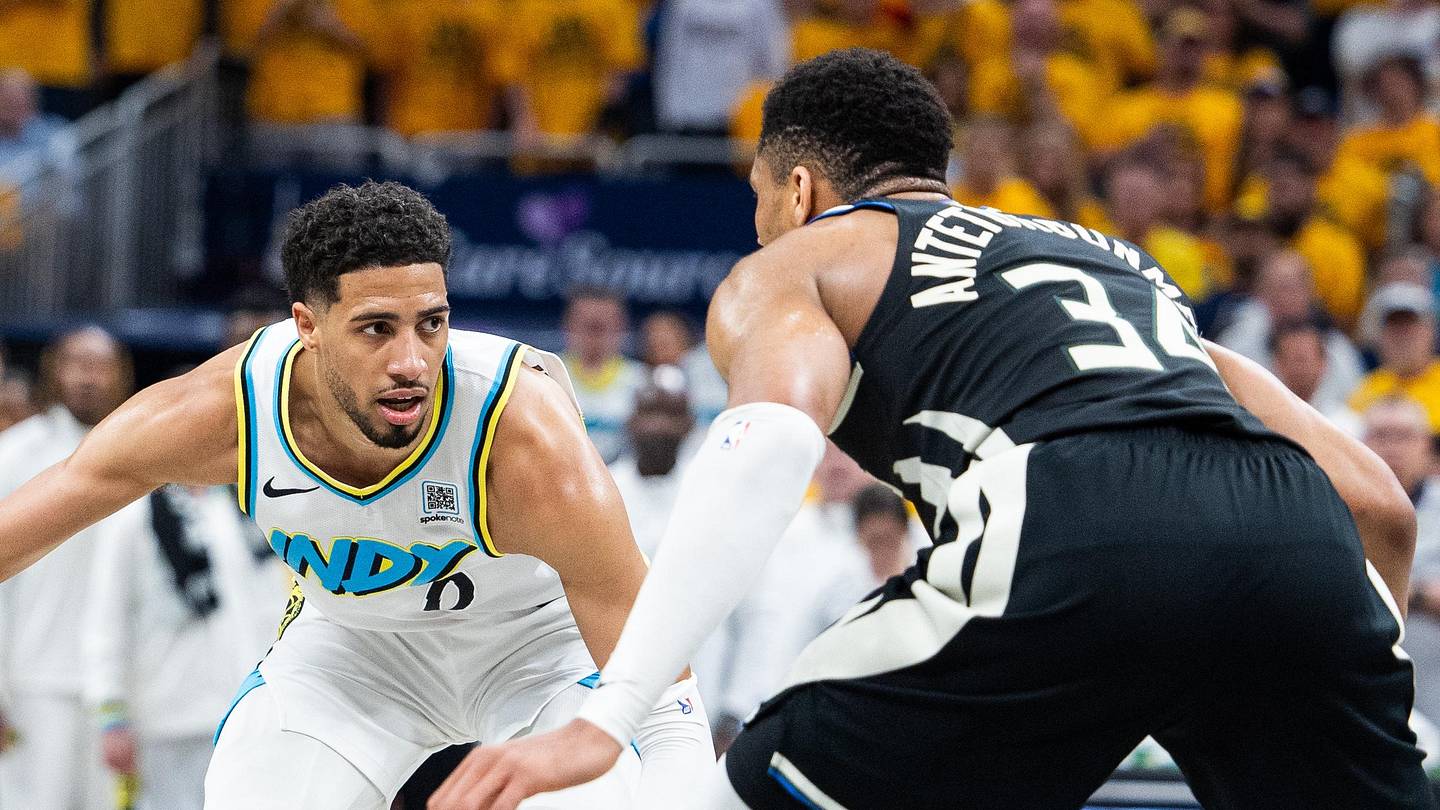
The trade-rumor mill surrounding Giannis Antetokounmpo has been relentless for the past six months. Every day brings a new version of the same story, and the consensus now is that Milwaukee will eventually move the former Bucks star. For Indiana, the destination of that trade matters because it will reshape the balance of power in the Eastern Conference and force the Pacers to adjust their own offseason plans.
Milwaukee’s recent attempts to extend its championship window illustrate how the franchise struggled to build a surrounding cast that could compete with a true title contender. The Bucks tried to bolster the roster by acquiring Damian Lillard, but injuries shortened that experiment far sooner than hoped. After Lillard’s injury-plagued stint, the team waived and stretched him, then turned to Myles Turner, signing him to a contract that the organization later described as “ridiculous” and that failed to meet expectations in his first year. Those moves left the Bucks with a talent level that never felt like a genuine contender.
Across the Eastern Conference, the Boston Celtics have endured two disappointing playoff runs. In 2025 they fell in the second round, and in 2026 they exited in the first round. Boston’s identity has been built around a “live by the three, die by the three” philosophy, a style that cost them deeper advancement. Adding a player of Giannis’s size and skill set would not only increase the Celtics’ talent pool but would also force a dramatic shift in their offensive approach, giving them an inside-out threat they have lacked since the departure of previous big men.
If the Celtics acquire Giannis, the Pacers will face a more versatile and deeper opponent in the East, likely tightening Indiana’s own playoff path. Conversely, a trade that lands Giannis with a less competitive franchise would preserve the Pacers’ current trajectory, but it would still require Indiana to monitor a reshaped Eastern landscape. The Pacers must weigh how a Giannis-powered opponent changes the calculus of their own roster construction and playoff expectations.
Indiana’s front office has emphasized steady roster building and cap prudence in recent years. With the trade looming, the Pacers need to stay flexible, keeping an eye on how the market reacts and identifying assets that could be leveraged in a post-Giannis environment. Whether the league’s top talent lands in Boston or elsewhere, the ripple effects will dictate how Indiana positions itself for the upcoming season.
In short, the Giannis trade is more than a footnote; it is a catalyst that will shape the Pacers’ strategic decisions throughout the offseason. The team’s ability to interpret and respond to the new competitive dynamics will determine whether they can capitalize on the shifting balance of power in the East.

 Indiana Pacers