The New Orleans Pelicans have been notably passive in the early stages of NBA free agency, with their only move being the re-signing of veteran center DeAndre Jordan to a one-year deal. This quiet approach stands in stark contrast to a Western Conference that is rapidly retooling and leaves a glaring hole in the Pelicans' roster: a legitimate starting center.
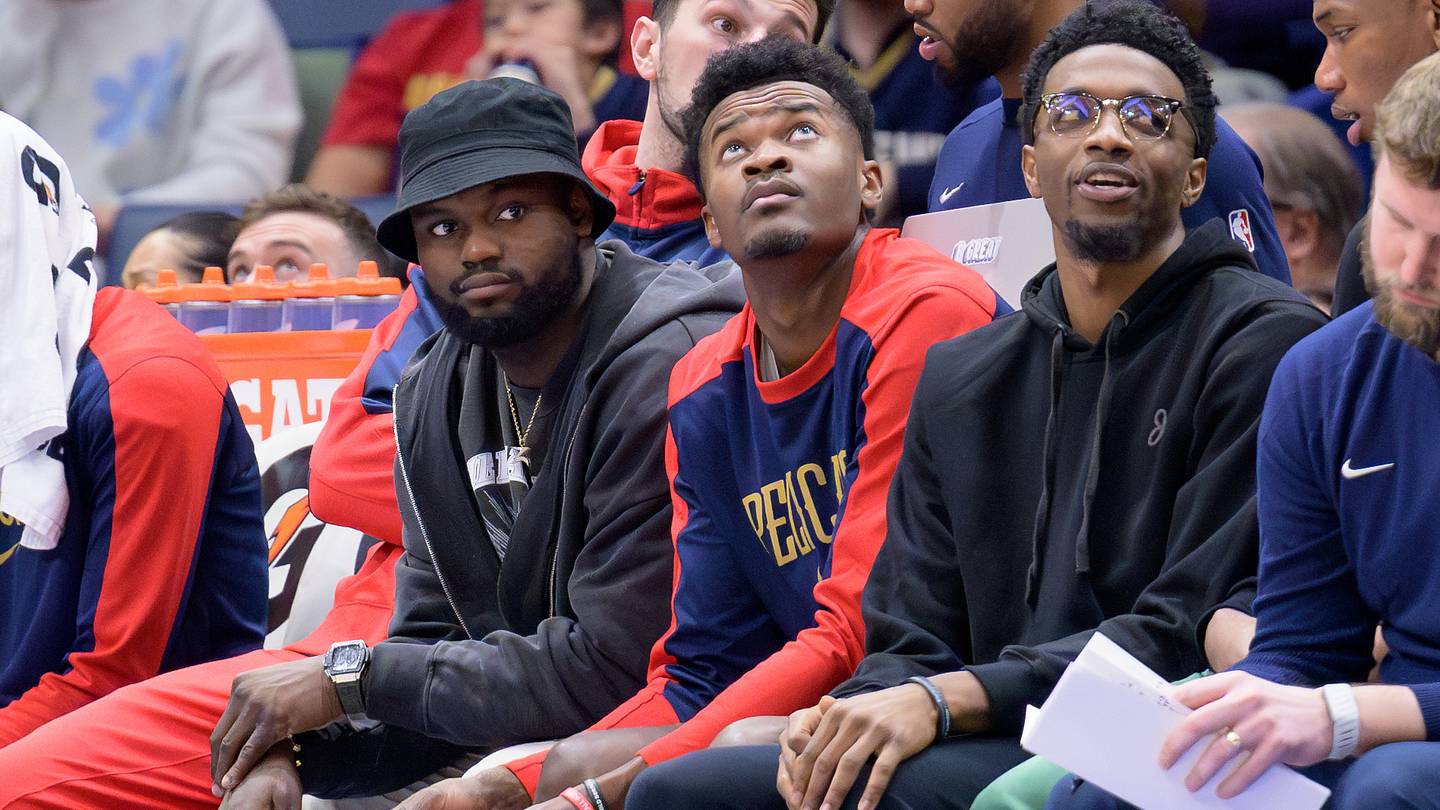
The lack of significant additions is particularly striking when considering the team's recent history at the five spot. Last offseason, New Orleans signed Kevon Looney to a two-year deal, hoping the three-time NBA champion would provide much-needed size and leadership. However, Looney injured himself in the preseason, resulting in him missing the first week and a half of the new year. When he returned, the fit was never right, and the veteran rode the bench for most of the season. The Pelicans declined his second-year team option, saving approximately $8 million in cap space. With Looney gone, and no substantial free agency signings, the Pelicans are left with Jordan as their primary big.
This isn't just about raw numbers, it's about the fundamental structure of the team. The Pelicans' offensive identity, when Zion Williamson is healthy and engaged, thrives on attacking the rim and creating chaos. A floor-spacing, defensive-minded center who can protect the paint and rebound is crucial to unlock Williamson's full potential and provide balance. Relying on a 37-year-old DeAndre Jordan for anything more than veteran mentorship, or thrusting significant minutes upon unproven rookies, feels like a recipe for a stagnant offense and a porous defense. The team needs a reliable anchor, not just bodies.
The front office's inaction in the center market is perplexing, especially given the clear need and the activity of rival teams. The Pelicans were in trade speculation conversations surrounding sharpshooting forward Trey Murphy III, with teams such as the Boston Celtics, Golden State Warriors, and Detroit Pistons, among others, inquiring about Murphy III's availability. If a move were to be made, the Pelicans would hope to get some much-needed frontcourt help on a roster devoid of legitimate size. However, no deal has materialized, and the immediate and pressing need at center remains unaddressed.
The most logical path forward for the Pelicans now involves the trade market. With most of the impactful free agent centers off the board, New Orleans has limited options. The decision to decline Looney's option, while saving cap space, has left them with a significant void. The front office must now decide if they are truly committed to competing, which would necessitate a trade for a starting-caliber center, or if they are content to roll the dice with their current unproven bigs, potentially signaling a more significant roster overhaul on the horizon.
 New Orleans Pelicans