The New York Knicks completed a 29-point comeback to defeat the San Antonio Spurs 107-106 in Game 4 of the NBA Finals on June 10 at Madison Square Garden. That victory gave them a 3-1 series lead and put them one win from their first title since 1973.
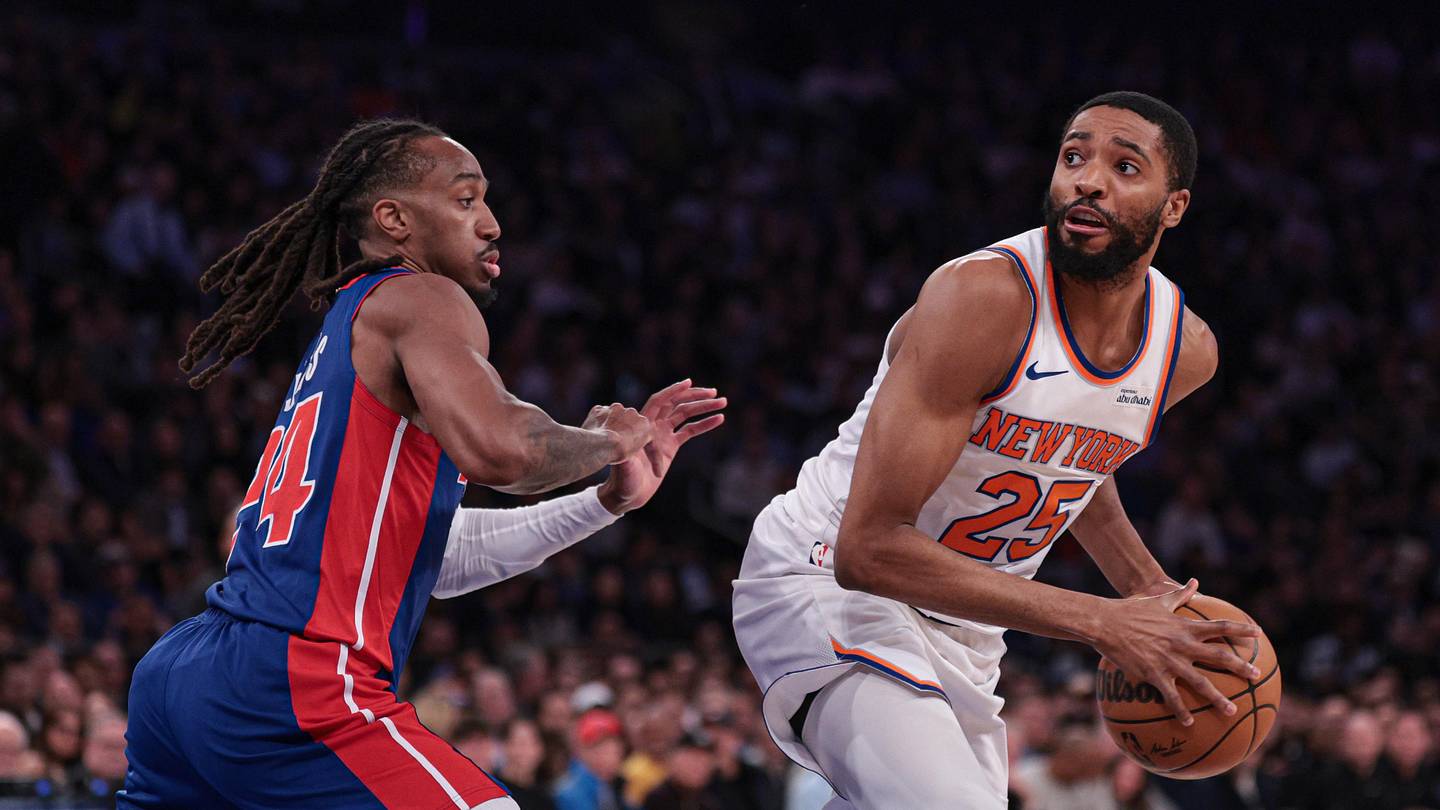
Detroit finished 60-22 as the Eastern Conference's top seed before falling to the Cleveland Cavaliers 4-3 in the conference semifinals. The series ended with a 125-94 Game 7 home loss on May 17. The Pistons swept the Knicks 3-0 in the regular season, winning each contest by at least 15 points, including a 126-111 victory in New York on February 19 where Cade Cunningham posted 42 points, 13 assists and eight rebounds.
Those regular-season margins expose a clear stylistic mismatch. Detroit's switch-heavy defense and Cunningham's ability to create in transition and half-court sets would stress New York's reliance on Jalen Brunson and OG Anunoby in a longer series. The Pistons controlled the paint and forced turnovers in every meeting.
The Knicks' run to the Finals shows how quickly a top-seeded Eastern team can reach the conference finals when injuries and matchups align. The Pistons mirrored that trajectory just two seasons after their 14-68 finish. Their young core already demonstrated the depth needed to dominate conference foes during the regular season, positioning them to challenge for a deeper run in 2027.
New York hosts Game 5 on June 14 with a chance to close out the series in San Antonio two nights later. Detroit enters the offseason with cap flexibility and draft assets to address frontcourt depth exposed in the Cavaliers series. Those assets set up targeted additions that could close the gap to Finals contention.
The Pistons' ability to handle the Knicks three times without their injured bigs shows the foundation is already in place for sustained contention once health and experience converge.

 Detroit Pistons