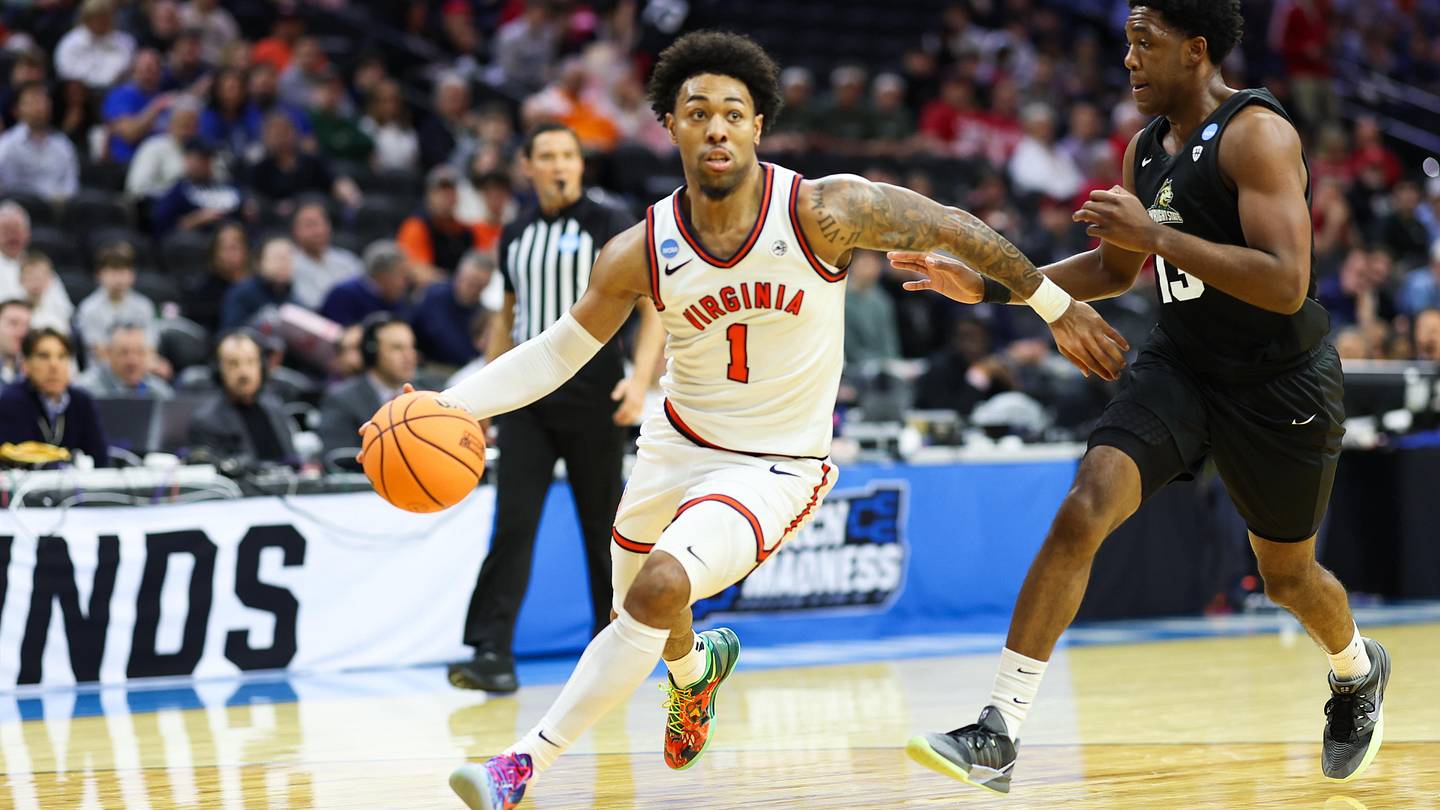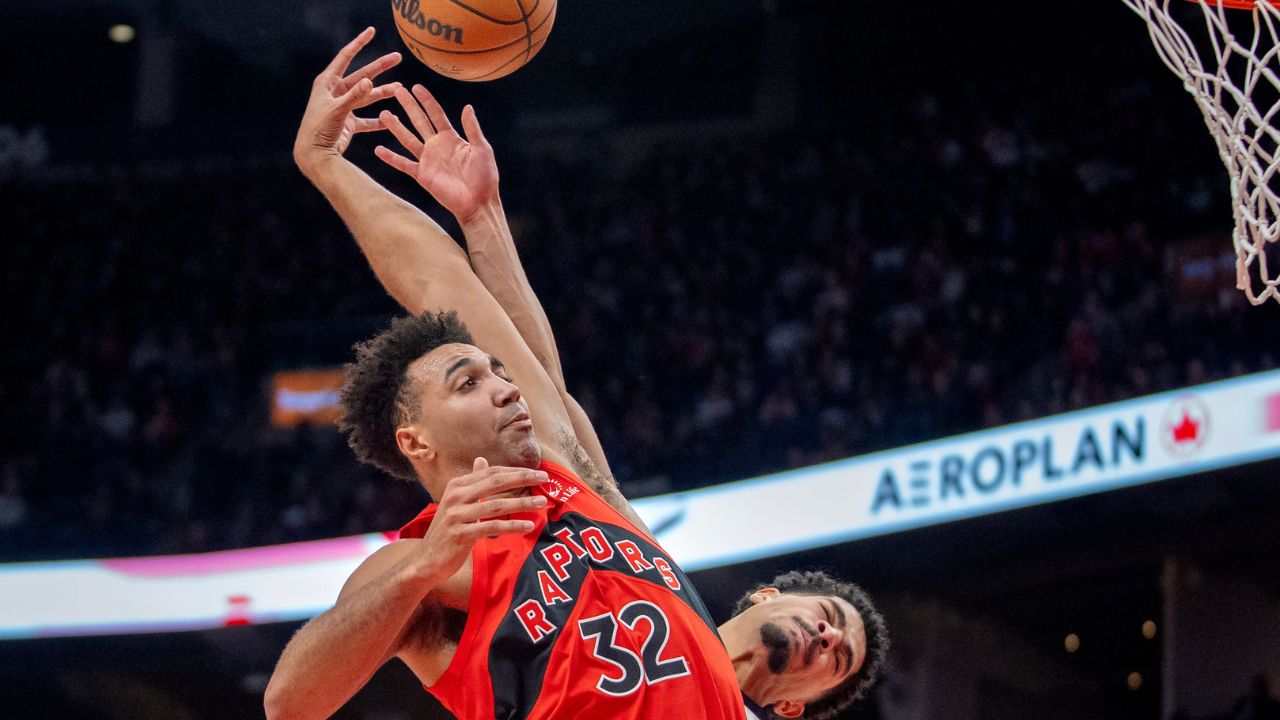
The Toronto Raptors exercised the $2.4 million team option on centre Trayce Jackson-Davis and the $2.3 million option on backup point guard Jamal Shead for the 2026-27 season. The moves were announced on Monday and keep both players under contract for another year. The club acquired Jackson-Davis in a February deadline trade with the Golden State Warriors that cost a second-round pick, while Shead earned his option after a solid sophomore campaign.
Jackson-Davis appeared in 17 regular-season games this year, averaging 1.7 points and 1.9 rebounds in roughly five minutes of action per contest. He added two points in Game 1 of the first-round series against Cleveland. Over his three-year career, the 26-year-old has posted 6.2 points, 4.4 rebounds and 1.2 assists per game. Shead, 23, logged 6.6 points, 5.4 assists and 1.7 rebounds per game as Toronto’s primary reserve guard, a modest jump from his rookie numbers. Both players are on modest contracts that fit comfortably under the Raptors’ current cap structure.
Keeping Jackson-Davis preserves a low-cost, rim-protecting piece for a roster that still lacks a true backup big. He can provide the Raptors with a handful of defensive minutes, especially when the team needs a body to rotate in the frontcourt. Shead, meanwhile, offers a playmaker who can run the second unit and give Immanuel Quickley a rest without a drastic drop in ball-handling quality. The presence of second-round pick Jaden Bradley adds a competitive spark in practice, but Shead’s experience and ability to run a half-court set make him the safer option for the upcoming season.
The decisions fit a pattern the Raptors have followed since the 2020-21 season: retain inexpensive depth while developing young talent through the draft and two-way contracts. By locking in these options, Toronto maintains flexibility to explore trade possibilities or to promote a rookie if the season’s injuries open up minutes. The front office’s willingness to spend a combined $4.7 million on two fringe players underscores their commitment to a roster that can stay under the luxury-tax threshold while still fielding a competitive core.
Looking ahead, the options run through June 30, 2026, giving the Raptors a full offseason to evaluate both players in training camp. If Jackson-Davis shows improvement in spacing and finishing at the rim, he could earn a larger role in a rotation that may see Quickley shift to a more perimeter-oriented position. Shead’s battle with Bradley will likely be decided by preseason performance, with the winner earning the backup spot and the other potentially heading to a two-way contract. The outcomes will shape the depth chart before the league’s schedule tips back to normal in October.
In a market where every million dollars counts, the Raptors’ modest investment in two developmental pieces reflects a pragmatic approach: keep the core intact, preserve cap flexibility, and let the bench earn its keep through steady production and internal competition.
 Toronto Raptors