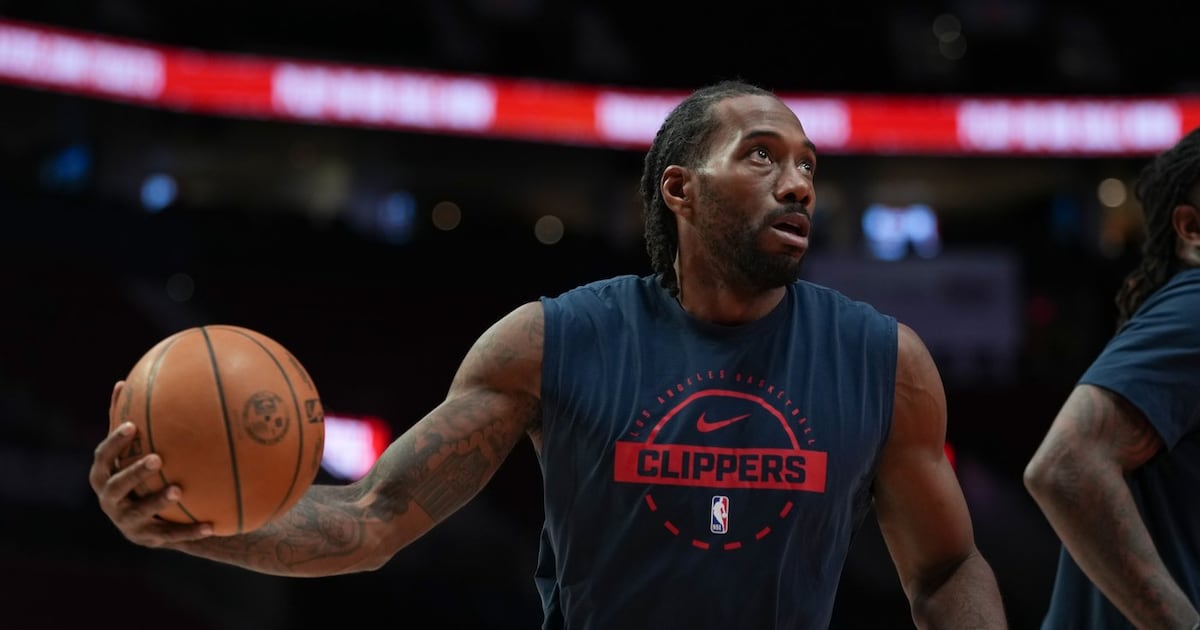
The Toronto Raptors entered the offseason with a clear priority: protecting the paint. Management’s recent moves, including the addition of Jakob Poeltl as the starting center, signal a commitment to bolstering interior defense. While the Kawhi Leonard trade remains unresolved, the front office has repeatedly emphasized that controlling the low-post area will be a decisive factor in the team’s postseason outlook.
In the decisive Game seven against the Cleveland Cavaliers, the Raptors allowed Jarrett Allen to post twenty-two points and pull down nineteen rebounds, including eight offensive boards. Allen shot sixty-five point seven percent from the field across the seven-game series, exposing a vulnerability that the Raptors could not overcome. Those numbers highlighted the importance of limiting second-chance opportunities and defending the rim with greater consistency.
Poeltl provides a solid rim-protecting presence, yet the organization has already identified tradeable assets that could bring another big man to the roster regardless of how the Leonard deal resolves. Adding a complementary interior defender would help curb the type of dominant rebounding performance seen in the Cavaliers series and give Toronto a better chance of contesting high-percentage shots in the paint.
The most immediate challenge in the Eastern Conference comes from the Philadelphia 76ers, whose lineup now features LeBron James, Jaylen Brown, Tyrese Maxey and Joel Embiid. Stopping Embiid rarely falls to a single defender; he frequently forces double teams and draws fouls at the free-throw line. While Collin Murray-Boyles continues to develop as a defender, pairing Poeltl with an additional interior defender would be a tangible step toward neutralizing the league’s premier center and limiting the second-chance points that often swing series.
Ultimately, the Raptors’ playoff fate will be measured by how effectively they protect the rim. Converting the lessons from the Cavaliers’ Game seven into a concrete upgrade could turn the paint from a liability into the catalyst that propels Toronto past the conference’s elite. The ability to win four games in a seven-game series remains the critical hurdle, and a strengthened frontcourt may be the key to clearing that hurdle.