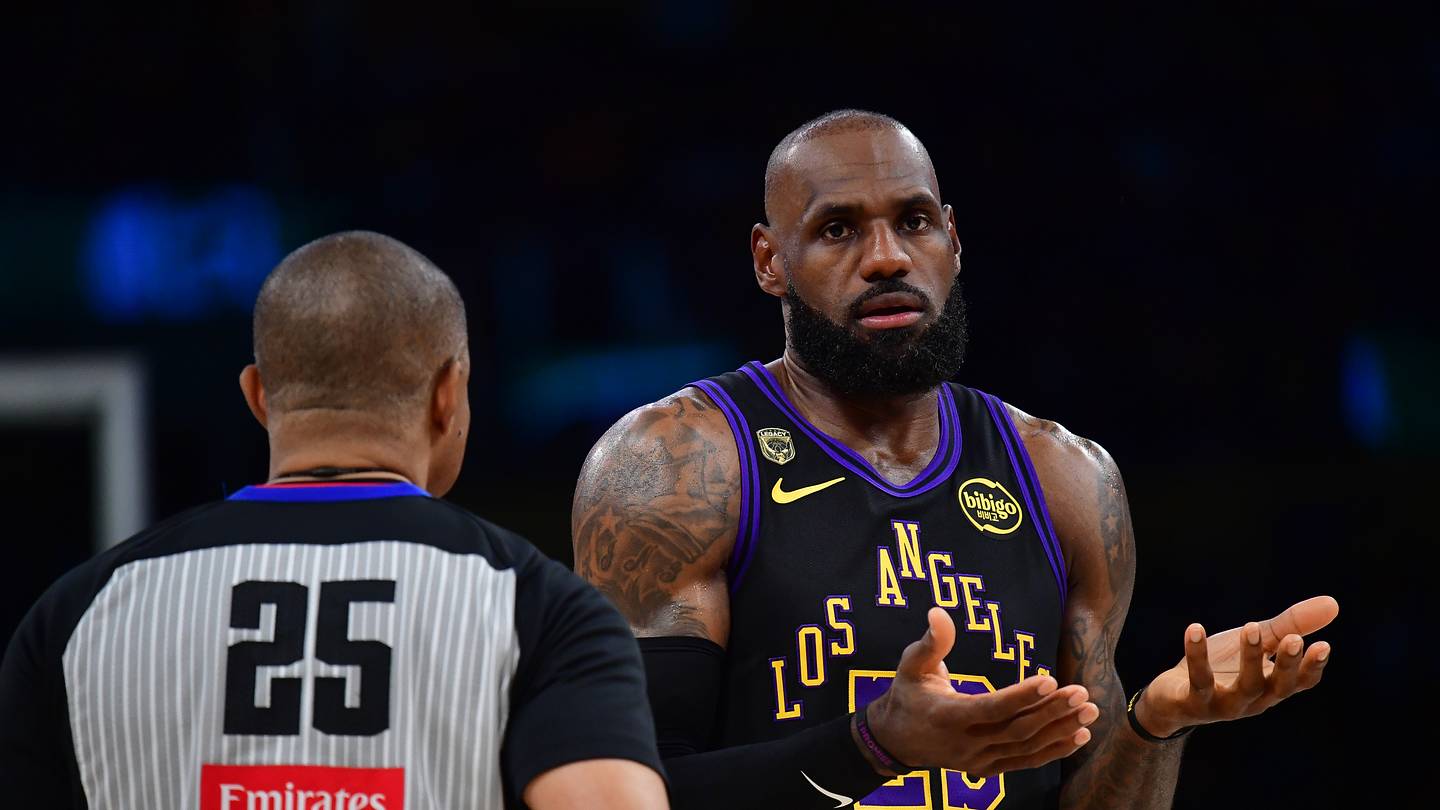
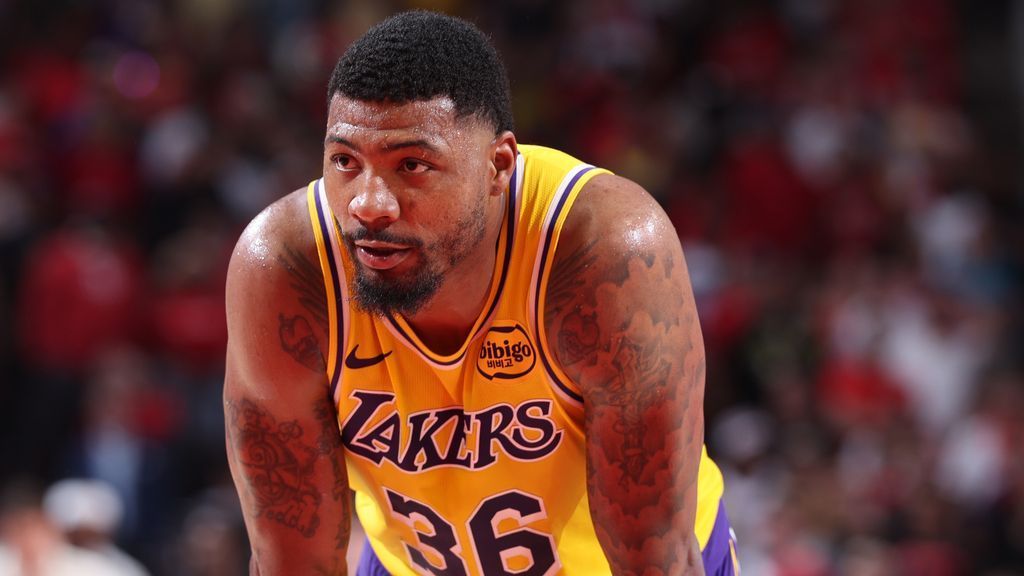
The Houston Rockets agreed to a two-year deal with Marcus Smart. They also reached an agreement with Bogdan Bogdanovic. Those additions come after a 52-win season that ended with a first-round playoff loss and a blunt end-of-season news conference from general manager Rafael Stone.
Stone called the year frustrating and disappointing. He made it clear that winning 52 games for the second straight season was not enough. Losing in the first round was inexcusable. That stance removes any remaining luxury of time for a young backcourt still learning on the job.
Houston now carries seven players at least 32 years old. Kevin Durant will be 38 when next season begins. His presence as the face of the franchise tilts every possession toward immediate execution rather than continued growth. Last season the Rockets tried to balance both goals. They asked Amen Thompson and second-year guard Reed Sheppard to handle primary point guard duties after Fred VanVleet tore his ACL right before training camp.
Those inexperience moments proved costly. Sheppard’s turnover late in Game 4 against the Los Angeles Lakers became a defining lowlight of the series meltdown. Stagnant possessions and sloppy turnovers in crunch time repeatedly undermined Houston’s talent. With Smart and the expected return of VanVleet, the Rockets want a more veteran feel among their main ballhandlers.
Smart gives the backcourt a defensive anchor and a seasoned decision maker who can pick up slack if VanVleet is not ready at the start of the season or struggles to stay healthy. VanVleet’s $25 million expiring salary also creates a potential trade chip. Smart’s own expiring deal adds another flexible piece if the front office decides to reshape the roster around Durant and the remaining veterans.
Stone’s post-season comments reflected a clear philosophical change. Houston is no longer willing to let developmental mistakes dictate outcomes in meaningful games. The early days of free agency stayed quiet before these two veteran additions arrived. The moves prioritize winning now over the long-term education of younger pieces. That approach mirrors how other teams with recent playoff exits have chosen to reinforce competitiveness instead of extending rebuild timelines.
The coming weeks will clarify VanVleet’s role. If he returns to the lineup, Smart becomes an ideal complement who tightens the defense and stabilizes late-game execution. If VanVleet lands elsewhere in a trade, Smart steps into a larger orchestrating role. Either path tests whether abandoning the patience of the previous two seasons produces the deeper playoff run the Rockets now demand.
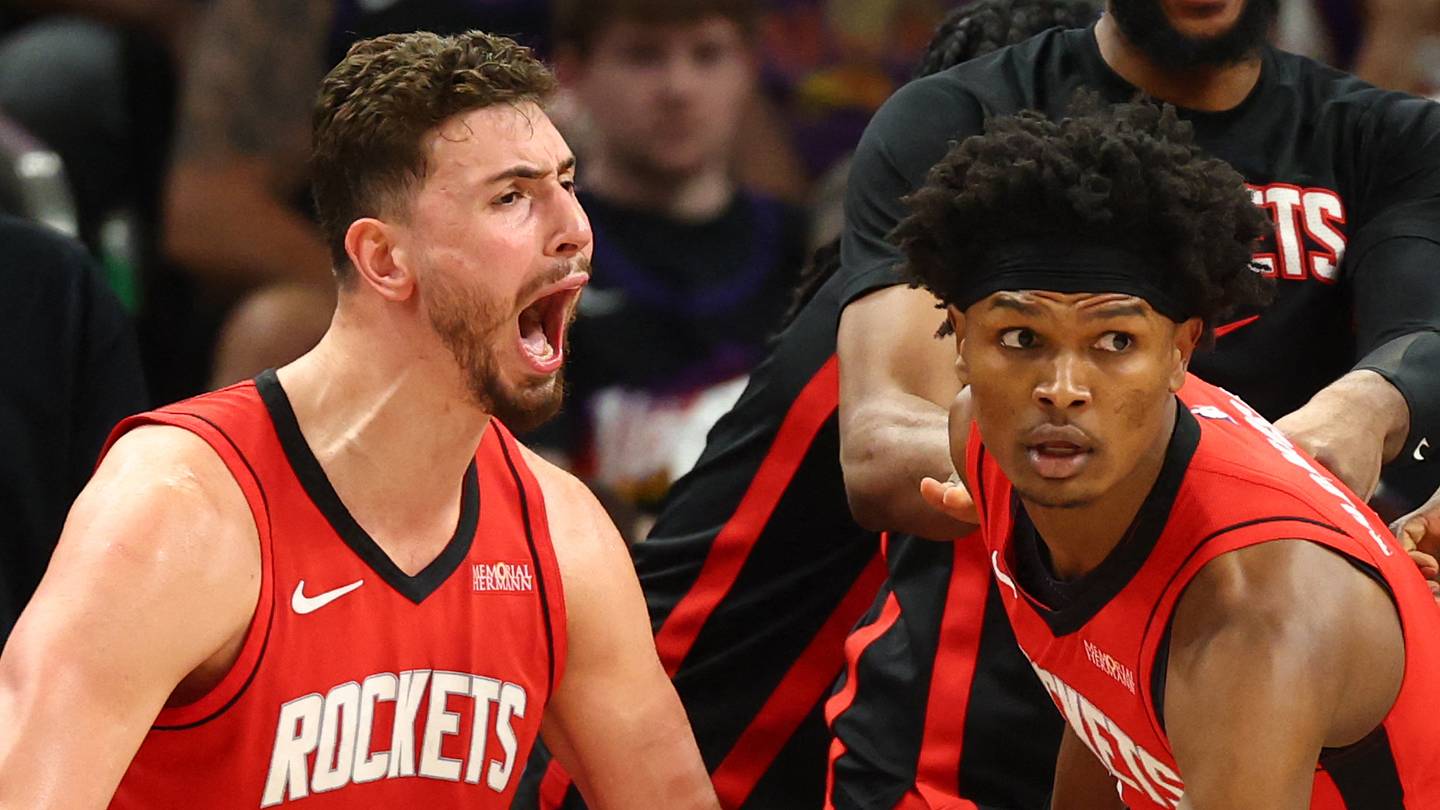
 Houston Rockets