The Houston Rockets concluded their 2025-26 season with a disappointing first-round exit, losing in an elimination game at home. Houston scored just 78 points, shooting 35 percent from the field and a woeful 5-for-28 from three-point range. The team was down 49-31 at halftime, punctuating how poorly things ended.
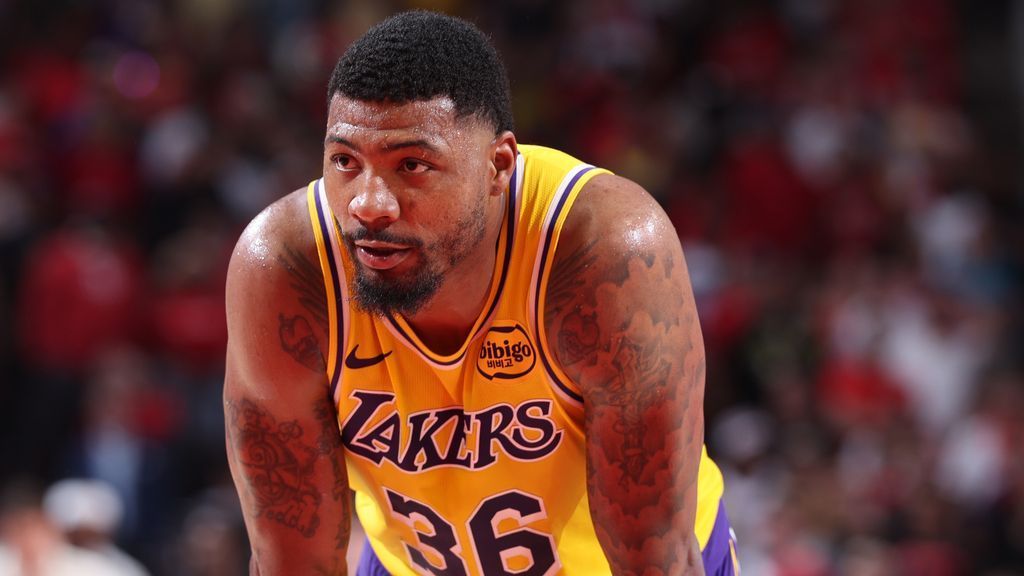
The Rockets' roster, while boasting veteran talent, is aging. Kevin Durant, a champion, will be 38 years old when the next season tips off. Fred VanVleet, another champion, is on the other side of 30, as is Steven Adams. The team's top offseason addition, Marcus Smart, also 32, arrived with over 800 games of pro experience, including an NBA Finals appearance. While these veterans bring invaluable experience, the team's reliance on them at their current career stages highlights a precarious balance.
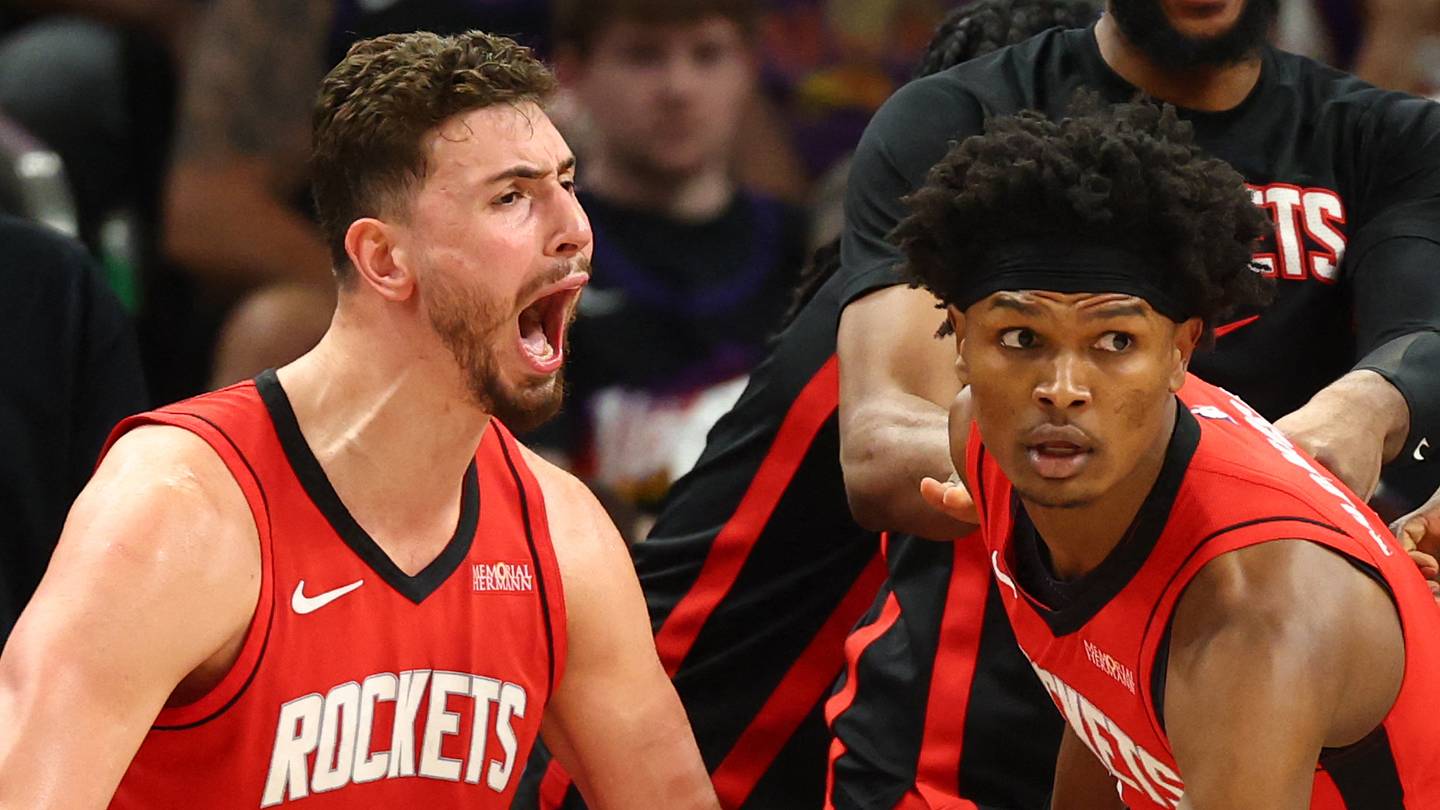
Houston's offensive struggles against the Lakers underscore a critical flaw in their current construction. The team desperately needs its young core to evolve into consistent playmakers and reliable scoring threats. The Rockets have plenty of winners on the roster, but in order to reach the level a Spurs team that has leapfrogged them just did, the team’s youngest players have to take the next step.
The front office has acknowledged the need for internal growth from these young players. The immediate future for the Rockets hinges on the development curve of their young talent. The returns of VanVleet and Adams from injury are expected to bolster the roster, but their impact will only be truly felt if the younger Rockets can shoulder a greater offensive and defensive load.
The San Antonio Spurs stole the Houston Rockets' thunder during these most recent playoffs. If a Southwest Division team was knocking off defending champion Oklahoma City, most would have thought Kevin Durant had taken down the franchise that drafted him. Instead, Victor Wembanyama and Stephon Castle ended OKC’s reign. The Spurs have now set a high bar for youthful development.

 Houston Rockets