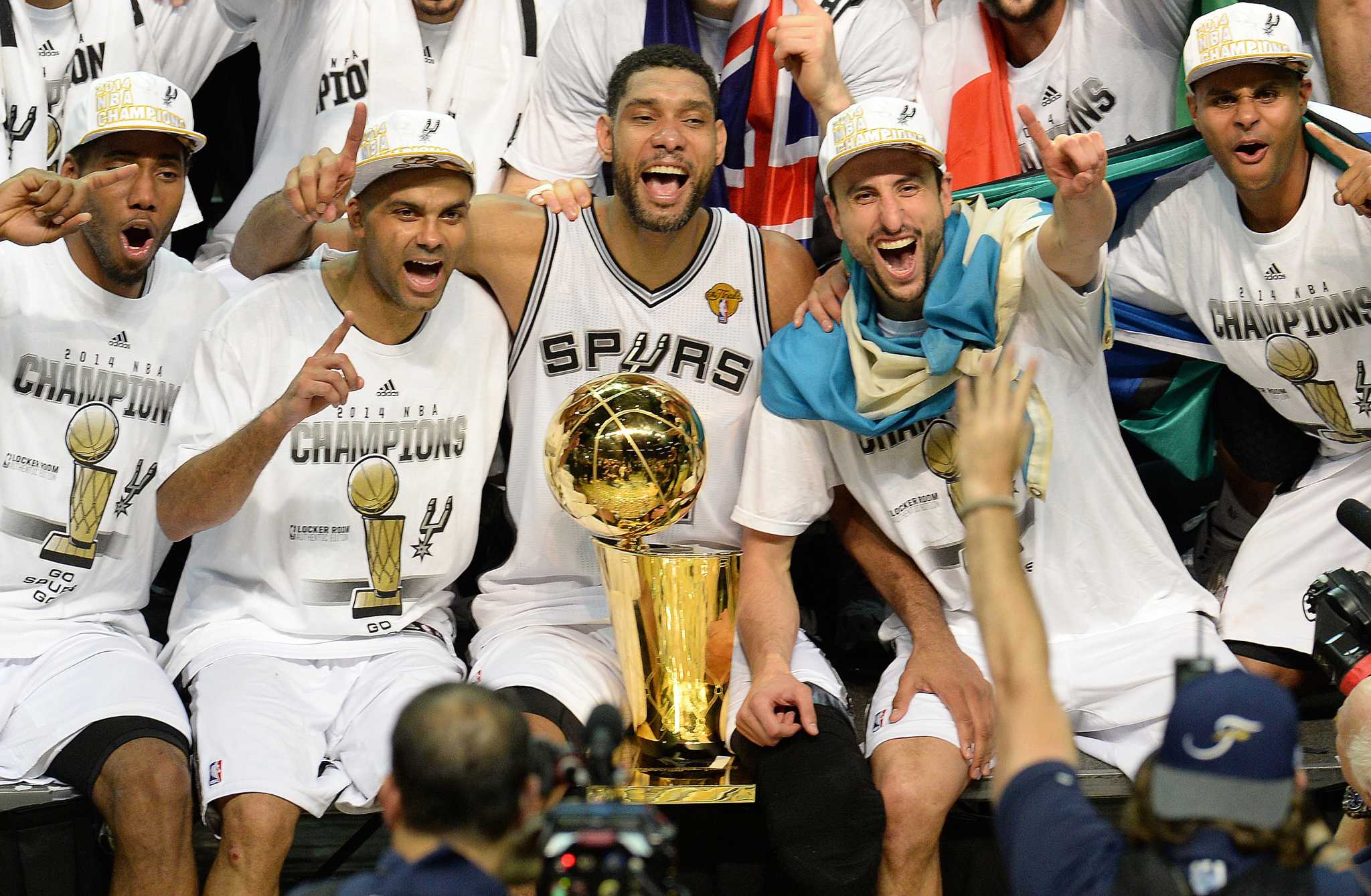
The San Antonio Spurs entered the 2024 offseason with a clear focus on stability. While other clubs chased marquee names, the Spurs completed only three notable moves: veteran forward Tobias Harris signed a two-year contract, and both Harrison Barnes and Julian Champagnie were re-signed. Those decisions, modest on the surface, kept the franchise out of the headline-grabbing negotiations that surrounded Kawhi Leonard.
Earlier this summer, the Toronto Raptors and the Los Angeles Clippers appeared close to a blockbuster swap. The Raptors were set to receive Leonard in exchange for Brandon Ingram, Grady Dick and a collection of draft picks heading to the Clippers. That deal represented the most realistic destination for Leonard, as the Spurs were also listed among potential trade partners. However, the agreement stalled when the league’s investigation into Leonard’s off-court financial arrangement came to the fore.
Leonard had previously signed a four-year, $28 million endorsement contract with Aspiration, an environmental organization linked to Clippers owner Steve Ballmer. The NBA opened a fraud investigation after determining that Leonard never appeared for the group, raising the possibility that the deal was a conduit for money outside the collective bargaining agreement. If the trade had been consummated and the league later imposed discipline on Leonard, the responsibility for any penalty would have fallen on the team acquiring him , in this case, the Raptors. Faced with that uncertainty, Toronto chose to pause the transaction.
By opting out of the Leonard discussion, the Spurs sidestepped the same financial exposure. Their acquisition of Tobias Harris adds veteran depth without inflating the payroll beyond what a two-year deal entails. Re-signing Barnes and Champagnie preserves continuity with players already familiar with the system. The moves reflect a strategy of incremental improvement rather than high-risk gambles that could attract league scrutiny.
The situation echoes a previous high-profile collapse in 2025 when the Los Angeles Lakers attempted to trade Dalton Knecht to the Charlotte Hornets for Mark Williams, only for the deal to dissolve after Williams failed his physical. Both scenarios underline how off-court factors, whether health exams or investigations, can derail even the most enticing deals. For the Spurs, avoiding a trade that might have entangled them in the Leonard endorsement probe preserves both roster stability and league goodwill.
In the broader NBA landscape, the Spurs’ restraint demonstrates that measured roster building can be as valuable as chasing superstar talent. By staying clear of the Leonard saga, the franchise not only avoided a potential $28 million financial complication but also positioned itself to develop its young core without the distraction of a major league investigation.