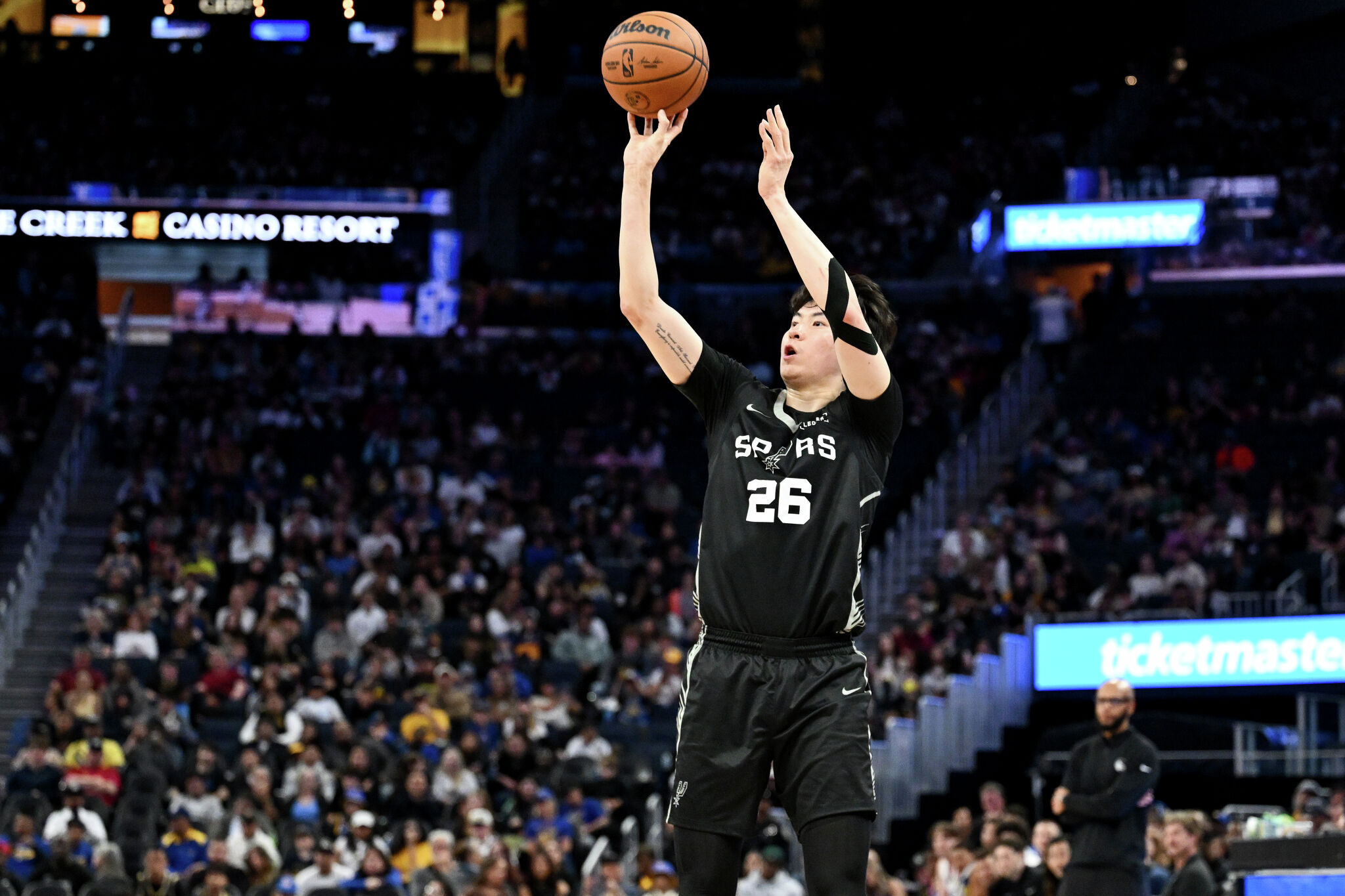
The San Antonio Spurs showed interest in forward Rui Hachimura early in the free-agency period, extending an offer that ultimately did not materialize. After evaluating their options, the Spurs shifted focus to veteran forward Tobias Harris, bringing him aboard on a contract that occupies a notable portion of the team's salary-cap resources. This move signaled a clear prioritization of immediate scoring and veteran leadership as the franchise prepares for the upcoming season.
Hachimura’s path through free agency placed him squarely in the Los Angeles market, where he pursued a role with the Clippers. Sources indicated that he declined interest from several other clubs, opting to stay in the city that aligns with his personal and professional goals. His decision reflected a desire to remain in a familiar environment rather than embark on a new chapter elsewhere, underscoring the importance of location in modern player negotiations.
Complicating the situation, the Lakers held Hachimura’s rights and were not inclined to facilitate a sign-and-trade arrangement that could have sent him to the Clippers. This lack of cooperation forced Hachimura to pursue a direct agreement with the Clippers, effectively ending the Spurs’ immediate pursuit. The episode illustrates how rights ownership can impact player movement, even when multiple parties express interest.
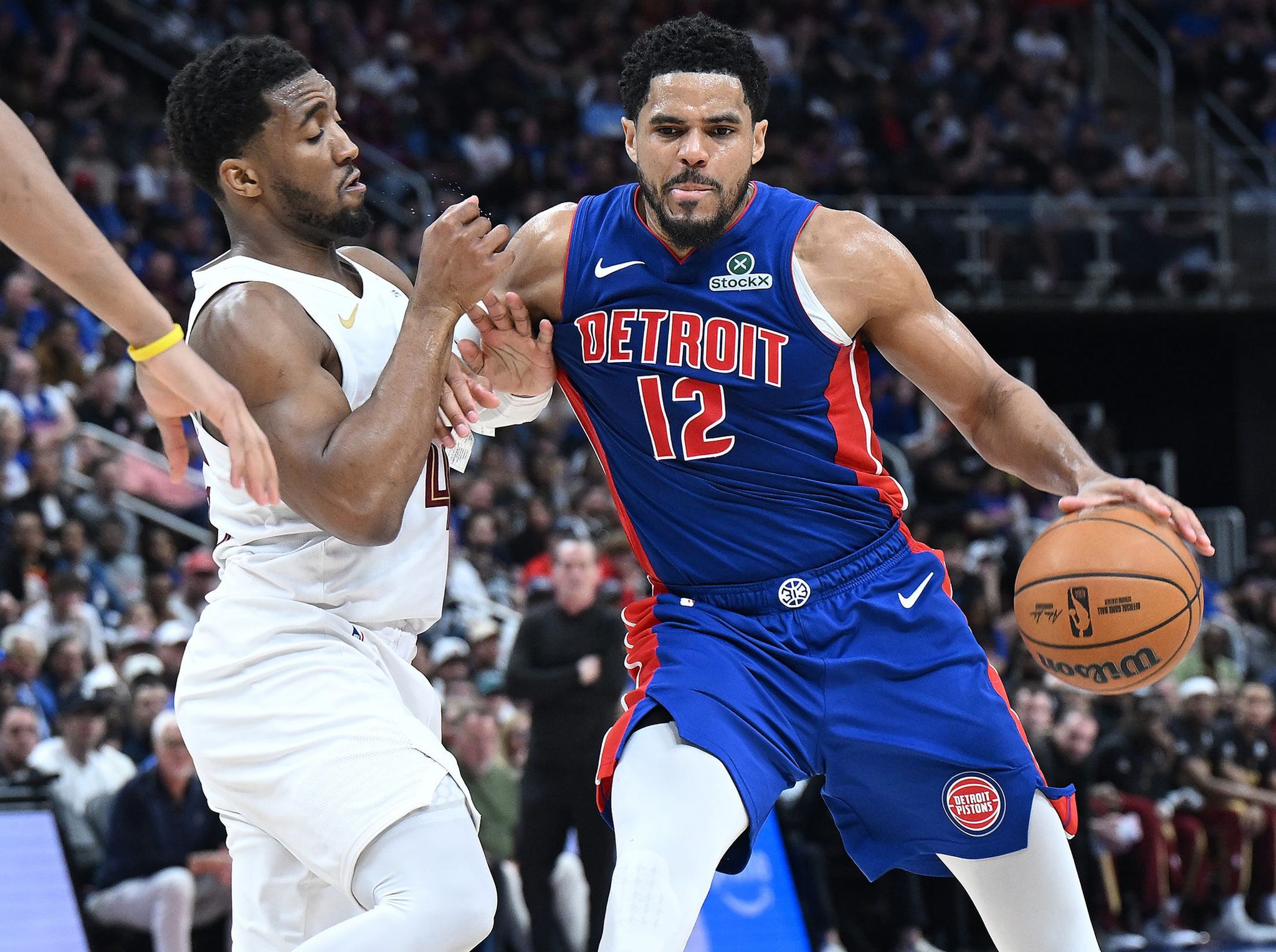
By signing Harris, the Spurs added a seasoned scorer who can provide instant offensive punch and mentor younger talent. While his contract consumes a significant share of the cap, the veteran presence offers stability and a proven track record that the organization values for its emerging core. The decision highlights a strategic balance between preserving flexibility and securing reliable production from a player with extensive league experience.
Looking ahead, the Spurs must decide whether to retain Harris beyond his short-term deal or explore trade avenues that could free additional cap space. Their approach will shape the franchise’s ability to maneuver in a competitive free-agency landscape while maintaining a roster that blends veteran acumen with youthful potential. The outcome will be a telling indicator of how the Spurs navigate the tension between immediate competitiveness and long-term flexibility.
 San Antonio Spurs