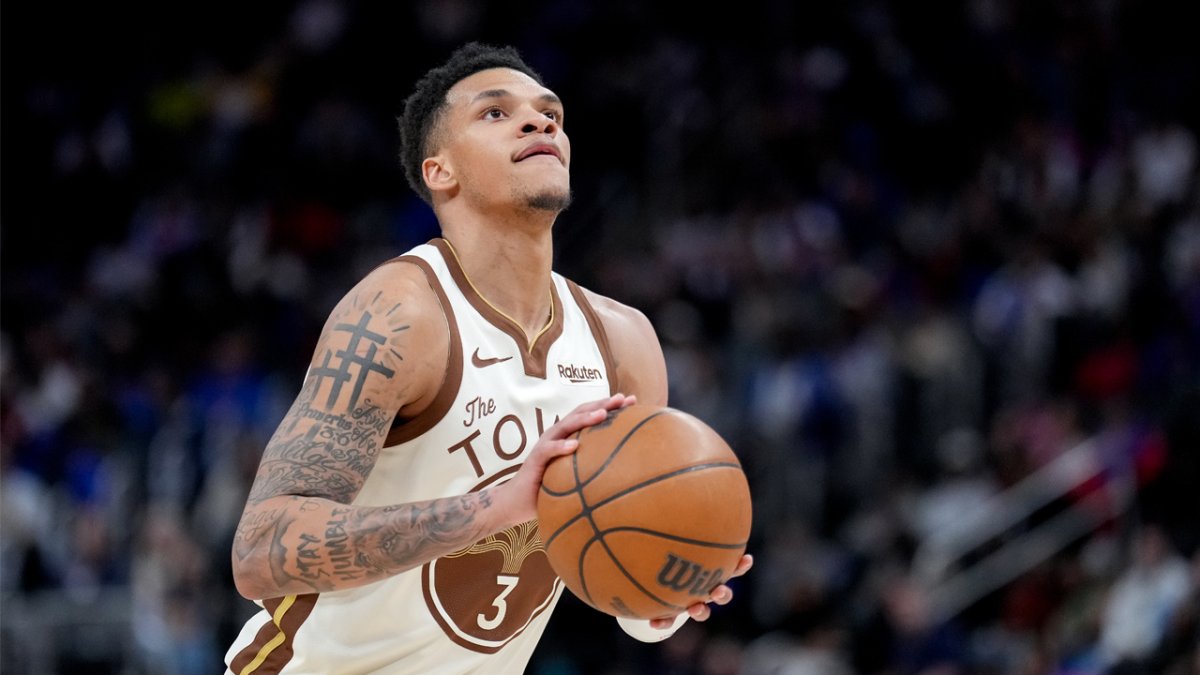
On July 4, 2026, the Memphis Grizzlies hosted the Oklahoma City Thunder at the FedExForum for a summer exhibition. The posted box score gave fans and analysts a clear snapshot of how each roster performed in its first live-action setting of the offseason. Both clubs entered the summer with notable roster adjustments, and the exhibition served as an early test of how new pieces fit into each system. Coaches used the game to gauge the chemistry of recent additions alongside established core players, setting the tone for the months ahead.
The rotation patterns observed in the box score reflected divergent philosophies. Memphis leaned on its starters for extended stretches before rotating in younger talent to maintain tempo, while Oklahoma City spread minutes more evenly across its line-up, giving multiple players the chance to contribute significant minutes. These choices highlighted each coaching staff’s priorities in balancing continuity with experimentation, and they offered a tangible glimpse into how each team might allocate playing time as the offseason progresses.
Strategically, the Grizzlies emphasized a fast-break, transition-first approach, allowing their primary ball-handler to push the pace and create open lanes for wing players. The Thunder, by contrast, kept the ball in the hands of their guard-heavy core, using pick-and-roll actions and perimeter shooting to generate offense. The differing tactics underscored each franchise’s longer-term vision: Memphis appears intent on building around speed and athleticism, while Oklahoma City continues to refine a guard-centric identity.
Looking ahead, the box score will serve as a reference point as both front offices shape their final rosters. Memphis must decide whether to retain promising younger contributors or add veteran depth before the upcoming training-camp deadline. Oklahoma City faces a similar crossroads, weighing the development of its recent draftees against the potential impact of immediate upgrades. The exhibition, captured in the posted statistics, offers concrete insight into how each team might allocate resources as the regular season approaches.
Overall, the exhibition provided a valuable laboratory for both teams to experiment with line-ups, test strategic concepts, and assess player fit without the pressure of regular-season stakes. Observers will continue to reference the box score as the offseason unfolds, using its data to track progress and anticipate the moves each franchise may make to position themselves for success in the upcoming campaign.
 Oklahoma City Thunder