The NBA is using the next two weeks to audit two of the game's oldest assumptions: how many times a fouled player steps to the line, and whether a basketball can quietly do part of a referee's job.
The league will test a single-shot free throw and a sensor-equipped "connected" ball across 2026 Summer League play, headlined by the Las Vegas event at the Thomas and Mack Center from July 9 to July 19. All 30 teams are in Vegas, and all 76 games there stream on ESPN platforms or Prime Video, which puts the experiments in front of a real audience rather than an empty gym.
The free throw change is the one fans will feel immediately. Under the format, a fouled shooter takes one attempt regardless of where the foul happened, and it is worth one, two, or three points depending on the shot. A foul on a two-point attempt brings a single free throw worth two, a foul on a three brings one worth three, and the one-point version covers situations like an and-one on a made basket. Miss it, and the possession ends the way any other missed shot would. The old rhythm of two makes, or three from behind the arc, disappears outside of one carve-out. Traditional free throw rules return for the final two minutes of the fourth quarter and all of overtime, when deliberate fouling is a strategy rather than a nuisance.
None of this is invented from scratch. The G League has run a version of the one-shot rule since the 2019-20 season, pitched then as a way to trim dead time and keep the ball moving. Summer League is the next rung up, closer to the NBA product and a better read on how the rule plays against real rotations and real athletes.
The trade-off is easy to see. A single shot worth two or three points rewards a poor free throw shooter far more than the current system does. Under today's rules, a career 60 percent shooter fouled on a three has to hit multiple attempts to bank the points. Give him one swing at all three at once and the math tilts in his favor. That is the complaint already circulating online: the rule could paper over one of the few skills that still separates guards from bigs at the line.
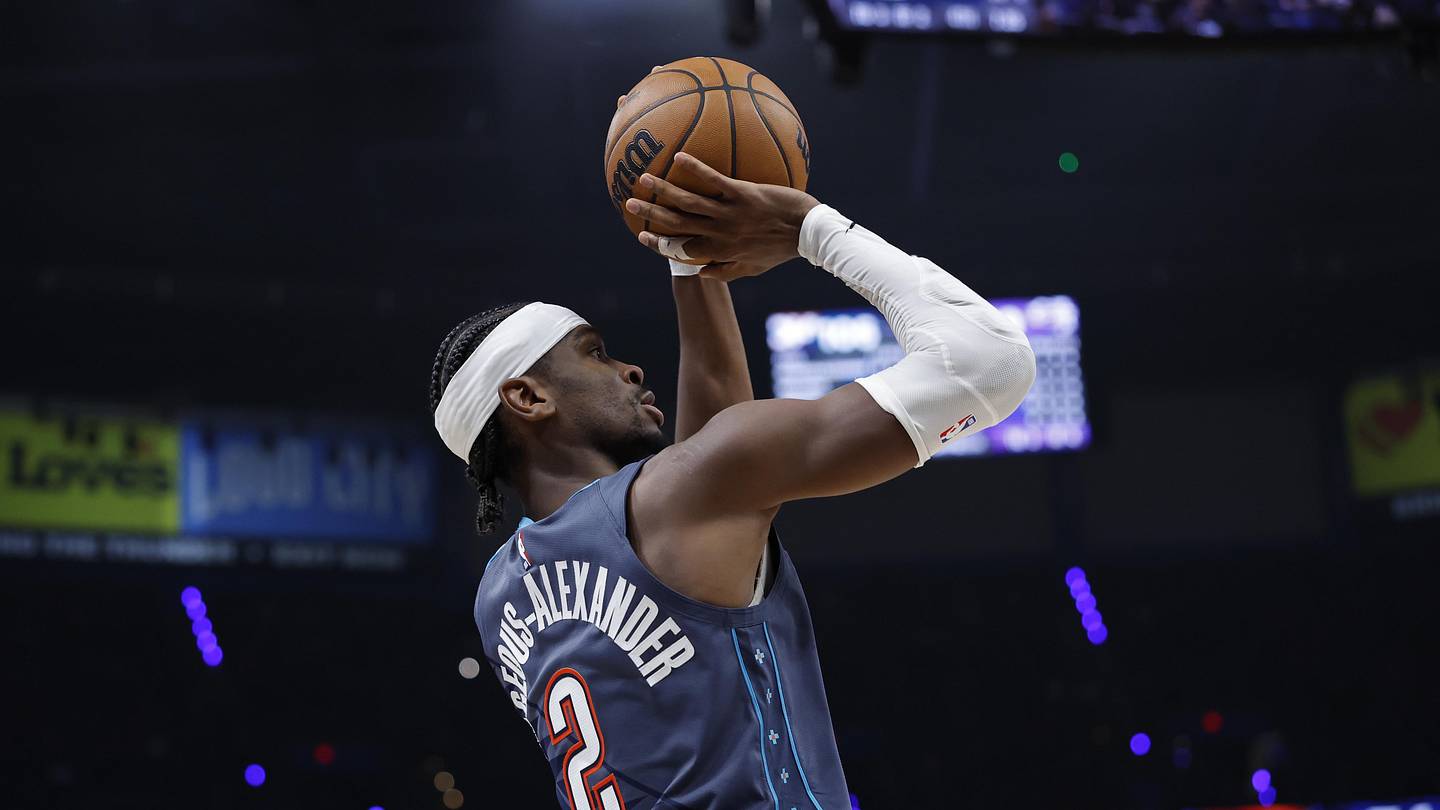
The counterargument is about pace. Players who turn every trip to the line into a ritual, and the league's biggest names are among the worst offenders here, would no longer stall the broadcast. Giannis Antetokounmpo, Victor Wembanyama and Shai Gilgeous-Alexander all draw heavy foul volume and all take their time, and a one-shot format cuts that overhead roughly in half. For a league that has spent years chasing flow and shorter dead spells, that is the entire point.
The second experiment is quieter but potentially more consequential. The connected ball carries an embedded sensor that registers contact, and the league says the hardware does not meaningfully change the ball's weight, feel or playability. The data is meant to back up officials on the calls that replay still struggles with, most obviously last-touch out-of-bounds rulings where a fingertip decides possession. It is a small step toward the tracking layer that already governs ball and player movement elsewhere in pro sports, and Summer League is a low-stakes place to see whether the readings hold up under game speed.
Summer League has always been a lab. Roster hopefuls and second-year projects share the floor with rule tweaks the league is not ready to risk in October, and most of what gets tested here never reaches the regular season. But the one-shot free throw already has a multi-season track record one level down, which makes this less of a trial balloon and more of a promotion.
The question is not whether the format speeds the game up. It will. The question is whether the league decides a faster game is worth handing poor free throw shooters a discount they have not earned.
 Oklahoma City Thunder