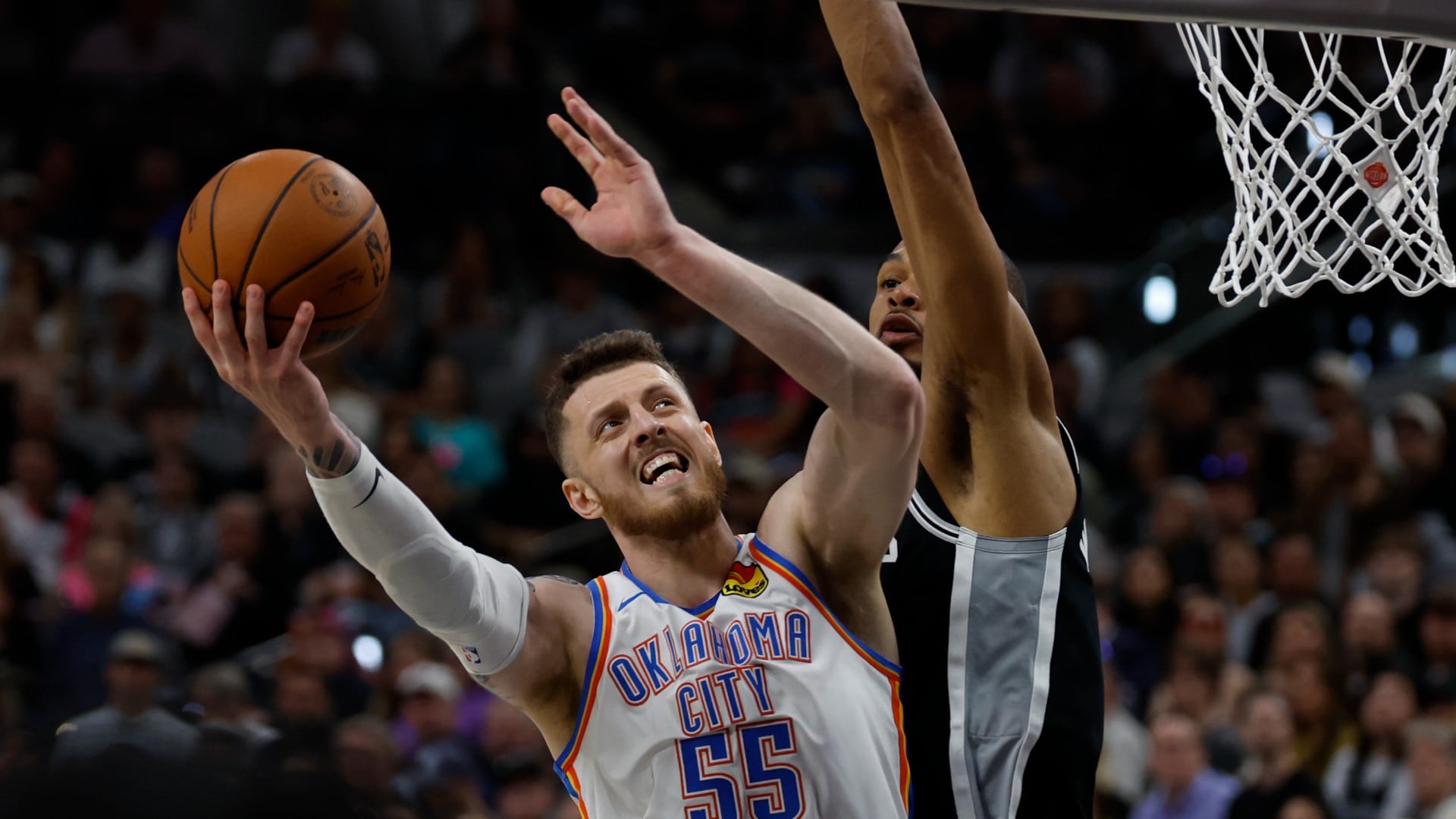
The Oklahoma City Thunder have officially declined the team option on veteran forward Kenrich Williams, ending his contract for the upcoming season and turning him into an unrestricted free agent. The move was confirmed on June 30, 2026, and reflects the franchise’s willingness to reassess roster pieces when a contract clause is up for renewal. By exercising the option decline, the Thunder remove Williams from their payroll and open a roster spot that can be used for other strategic moves.
In the NBA, a team option gives a club the right to retain a player for an additional year at a pre-agreed salary. Declining that option automatically makes the player a free agent, allowing both sides to explore new terms. For Williams, the decision means he can test the market without any obligation to return to Oklahoma City, while the Thunder gain flexibility to allocate the saved salary toward other priorities.
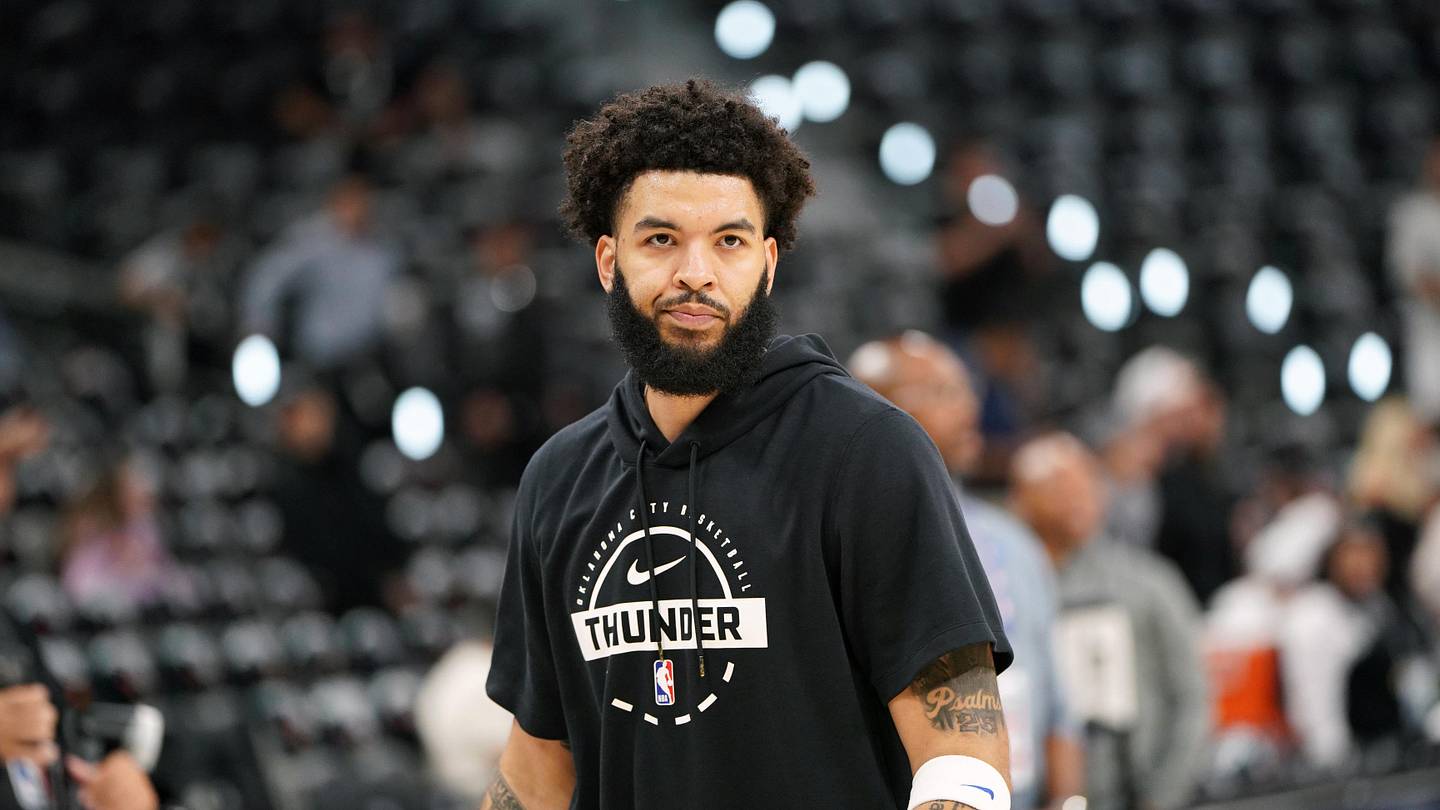
The Thunder have built a reputation for aggressive cap management, often choosing to let contracts expire rather than carry them into the next season. This philosophy prioritizes long-term flexibility over short-term certainty, and the decision on Williams fits neatly into that broader approach. By freeing up the option year, the organization can better position itself to navigate the league’s luxury-tax thresholds and retain the ability to make future moves without being hamstrung by an unwanted salary commitment.
For Williams, the free-agency window presents an opportunity to find a role that matches his skill set and veteran presence. Known for his hustle, defensive versatility, and team-first attitude, he offers a package that many clubs value when looking to add depth and experience. While the Thunder may attempt to bring him back on a reduced deal, the open market gives him the leverage to consider offers that align with his career goals and personal preferences.
Looking ahead, the Thunder will likely use the roster vacancy created by the option decline to either develop younger talent or target a complementary piece that fits their evolving identity. The club’s emphasis on flexibility suggests that any subsequent signing will be carefully calibrated against both the salary-cap landscape and the team’s competitive timeline. As the offseason progresses, the decision on Williams will serve as a clear indicator of how Oklahoma City plans to balance immediate roster needs with long-term financial health.

 Oklahoma City Thunder