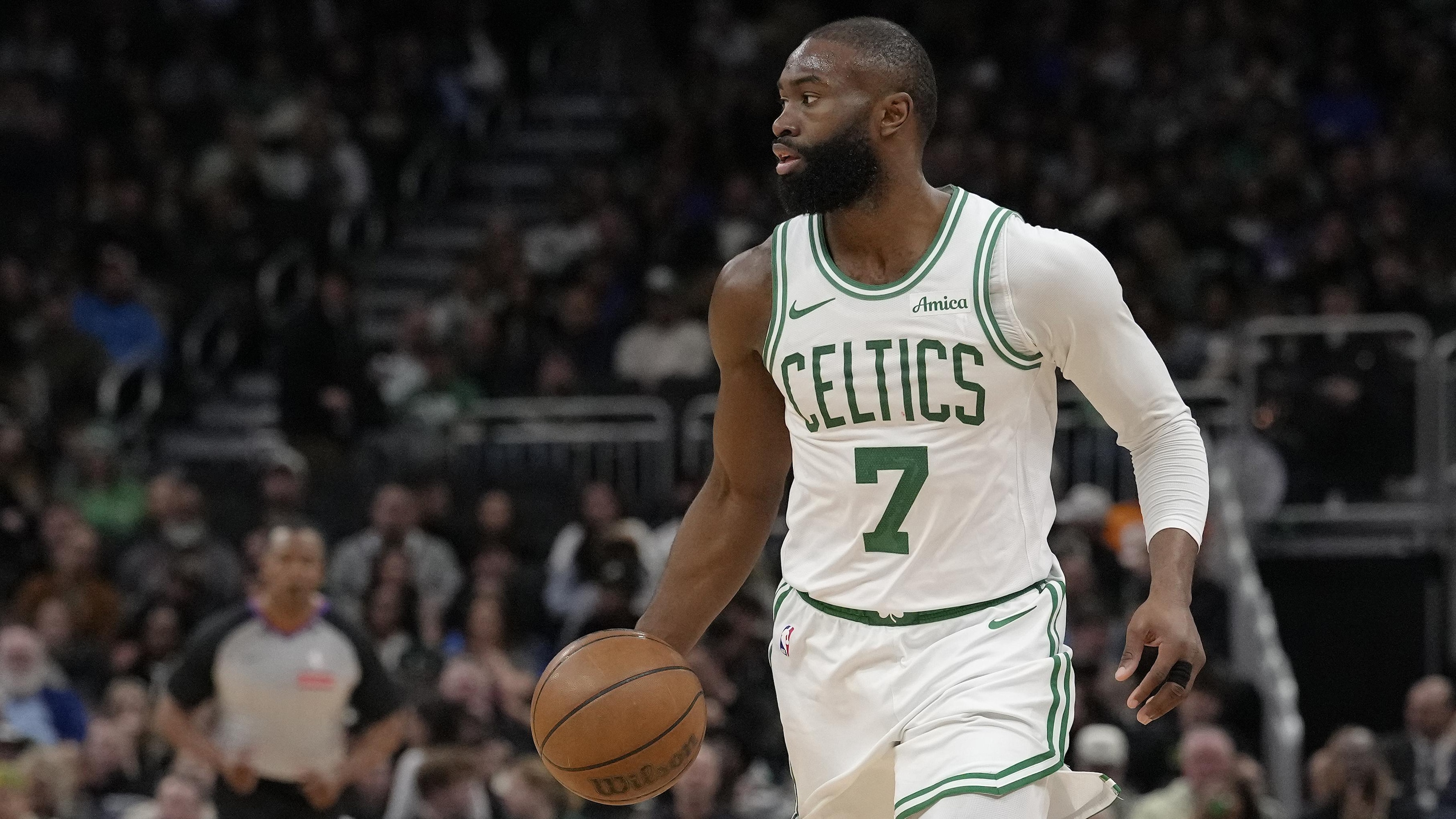
The Boston Celtics are engaged in a vigorous debate regarding the future of All-NBA wing Jaylen Brown, with President of Basketball Operations Brad Stevens declining to definitively commit to Brown being on the opening night roster. This uncertainty follows Boston's aggressive, albeit unsuccessful, pursuit of Milwaukee Bucks superstar Giannis Antetokounmpo, for whom Brown was the centerpiece of a trade offer. While the Antetokounpo deal ultimately fell through, the public knowledge of Brown being shopped has intensified speculation about his long-term standing with the Celtics, sparking trade proposals from rival teams like the Toronto Raptors and Detroit Pistons.
Brown's future has been one of the most widely discussed topics in the NBA world since the Celtics offered him for Giannis Antetokounmpo. Proposed trade packages highlight the financial complexities involved, with the Pistons' offer, for example, needing to navigate Brown's substantial salary. The Raptors' hypothetical offer includes Brandon Ingram, who can help replace Brown’s scoring, and Collin Murray-Boyles, as close to a blue-chip prospect as the Raptors can offer. Detroit's package centers on Ron Holland II, who averaged more points, rebounds, assists and steals on a higher 3-point percentage as an NBA sophomore compared to his rookie season. These numbers underscore the challenge of finding commensurate value for a player of Brown's caliber.
From a pure basketball perspective, moving Brown requires a clear vision for how the Celtics intend to reconfigure their offense and defense. A trade for Brandon Ingram would provide a versatile scorer who can create his own shot. The Raptors' inclusion of Collin Murray-Boyles offers a promising prospect, yet it represents a step back from immediate contention. The Pistons’ offer, with Ron Holland II as the centerpiece, leans heavily on potential, hoping his offensive game catches up to his defensive effectiveness. This would fundamentally alter Boston's identity, shifting from a proven contender to a team investing in future upside.
The Celtics' willingness to include Brown in trade discussions for Antetokounmpo, even if unsuccessful, signals a front office willing to aggressively pursue upgrades for their championship window. This pattern, and Brad Stevens' non-committal stance, inevitably affects locker room dynamics and external perceptions of the franchise's direction. The fact that Boston was all-in on Giannis with Brown as the main asset speaks volumes about their desire to pair Jayson Tatum with another top-tier MVP candidate. The market for Brown is clearly robust, with teams like the Trail Blazers, Nuggets, Nets, Hornets, Hawks, and Clippers all expressing interest, suggesting a widespread belief that Brown can elevate a franchise. The question is whether any of those offers truly elevate Boston.
The immediate future hinges on Stevens' next move. The Celtics could stand pat, allowing Brown to play out his contract and attempt to smooth over any perceived slights. Alternatively, a trade could materialize quickly, especially with other teams interested. The NBA's offseason calendar, with free agency and further trade deadlines, will dictate the timeline. If the Celtics do decide to move Brown, the return package will be scrutinized not just for individual talent, but for how it positions Boston to contend for a championship in the immediate future, rather than simply accumulating assets.

 Boston Celtics