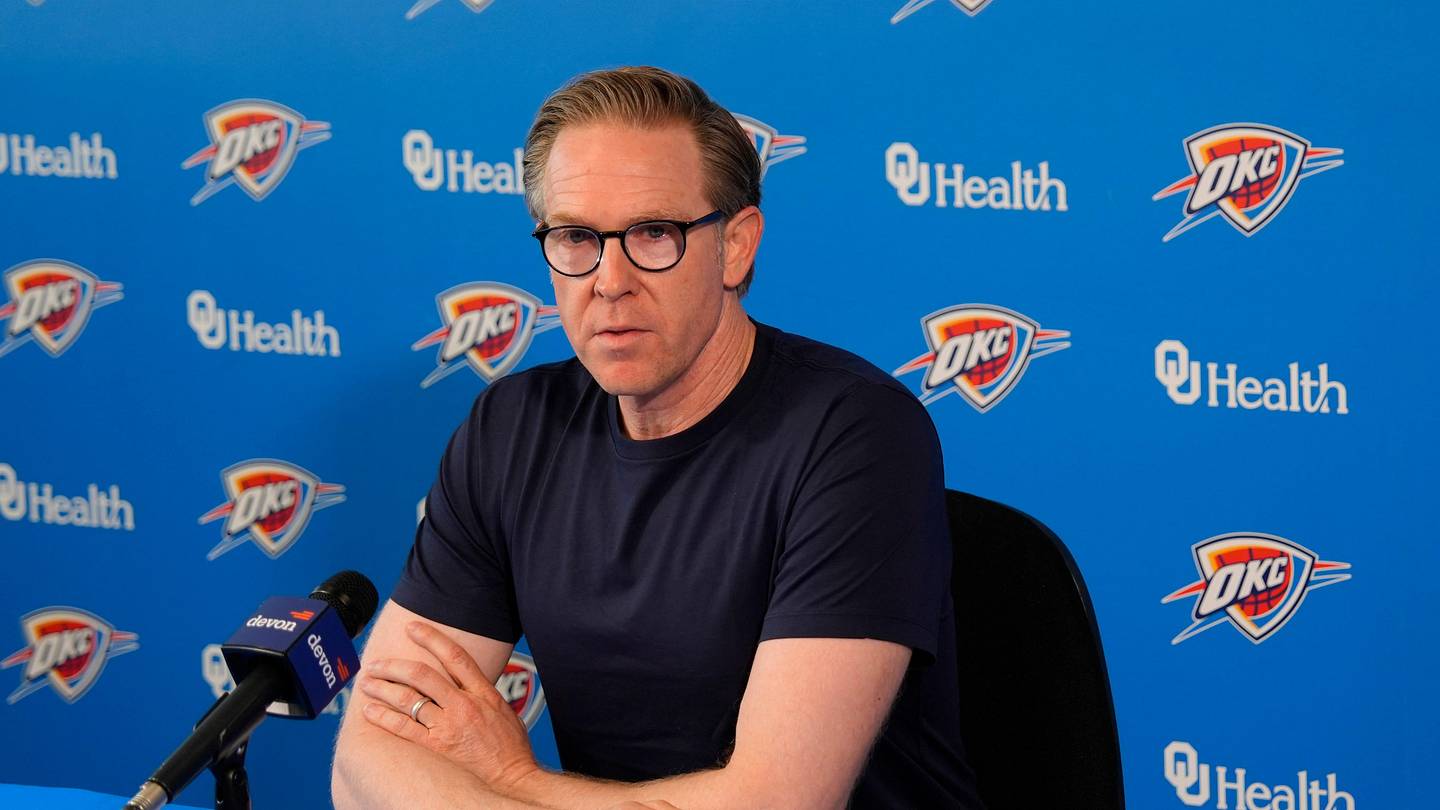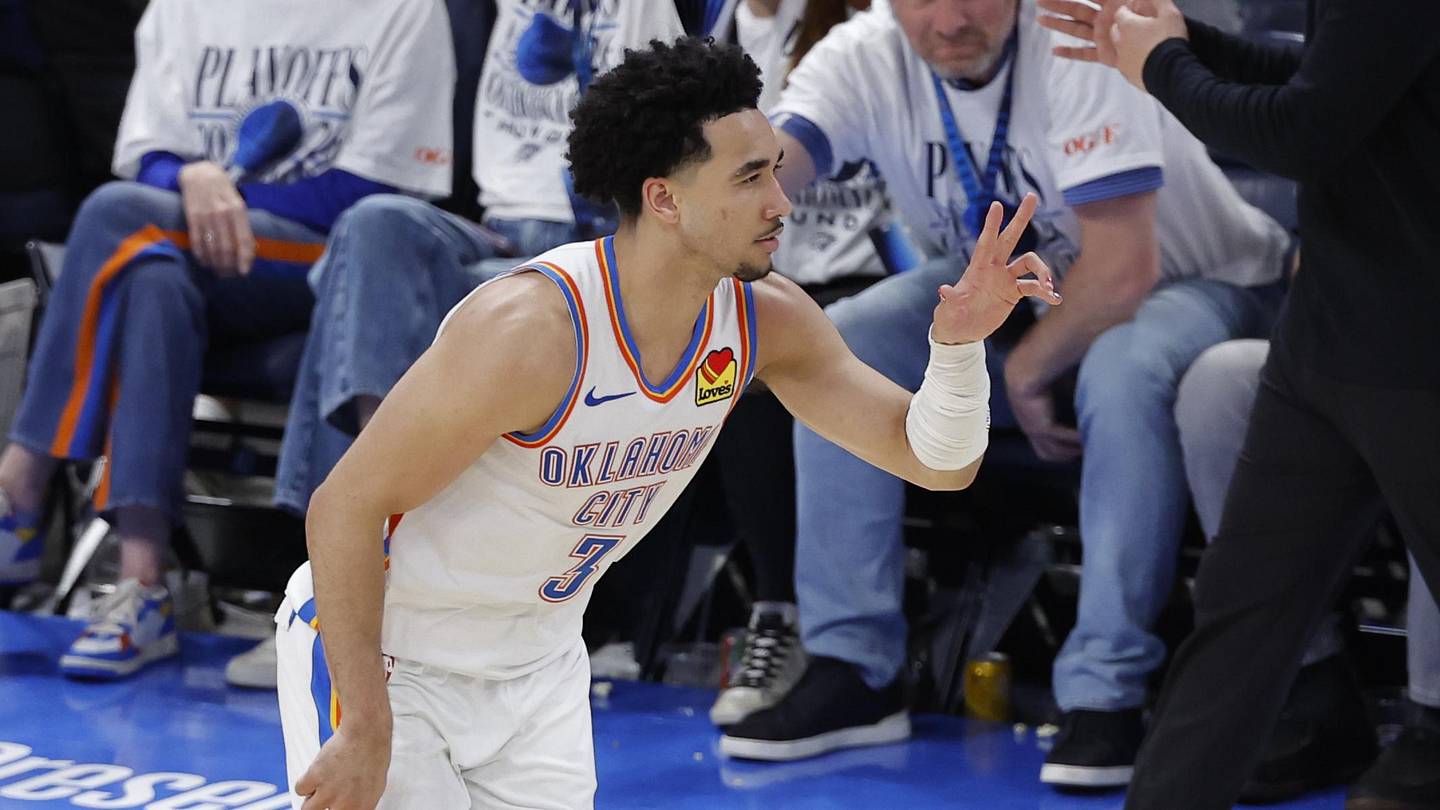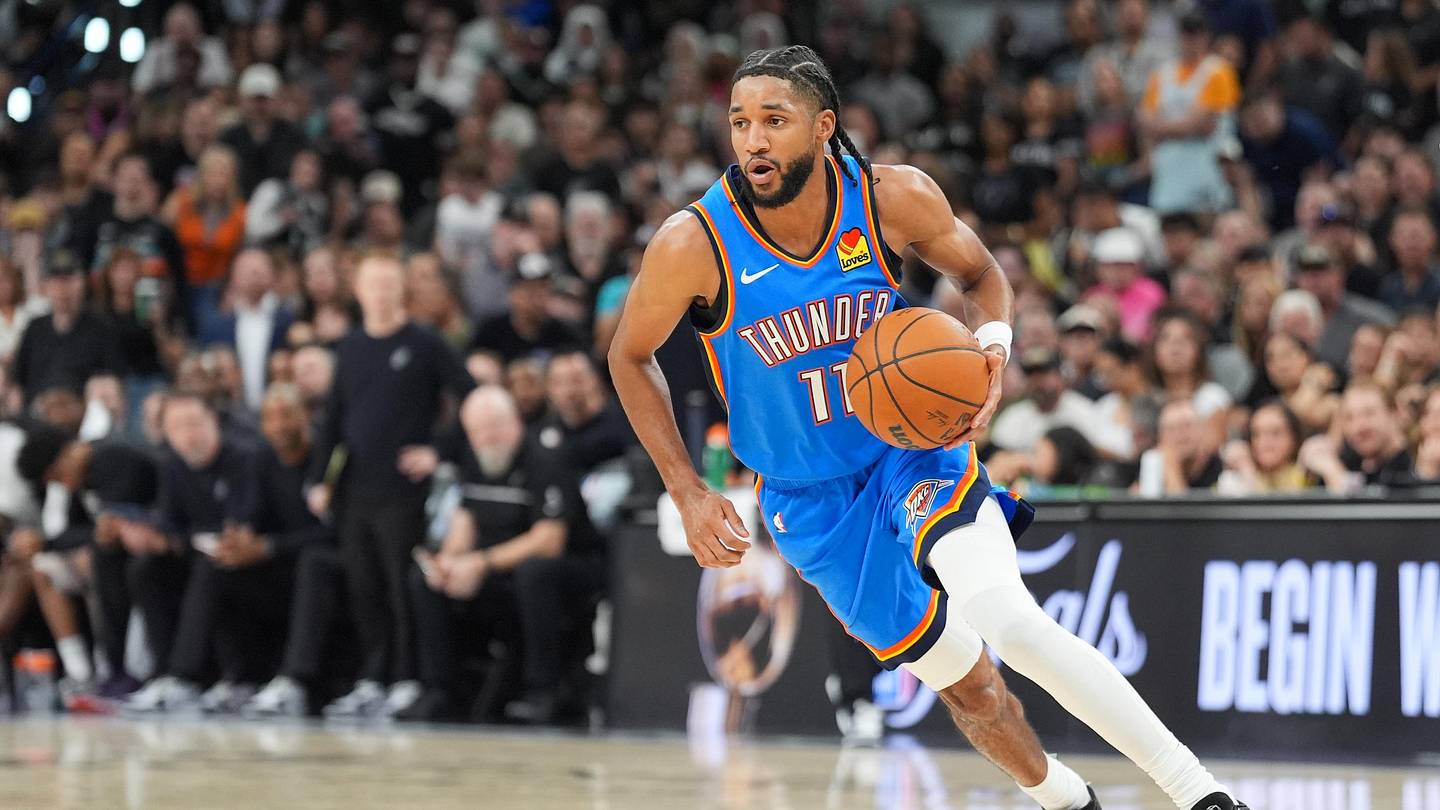
Oklahoma City entered the offseason after making three selections in the 2026 NBA Draft, giving the Thunder fresh talent but also a cascade of roster decisions. Options and looming free agency for front-court pieces Isaiah Hartenstein, Lu Dort and Kenrich Williams sit on the calendar, while the club also weighs a potential extension for rookie guard Cason Wallace. Each choice will shape the composition of the roster heading into next season.
Among the players on the chopping block, shooting guard Isaiah Joe has emerged as the most immediate name on the trade market. After spending the regular season as a reliable three-point specialist, Joe found himself on the periphery of the Thunder’s playoff rotation in 2026. His inability to secure meaningful minutes in the postseason has left his future with Oklahoma City uncertain, and the front office is now forced to decide whether to move him before free agency opens.
Joe’s situation mirrors that of former teammate Aaron Wiggins, who also fell out of the rotation. While Wiggins struggled throughout a down season, Joe’s limited postseason usage suggests that his value to the Thunder is primarily tied to his shooting. The organization acknowledges that Joe is expendable in a similar fashion, but it also recognizes that a trade for comparable return would be insufficient. The Thunder must avoid a low-ball deal that mirrors the Wiggins transaction, seeking instead a package that respects Joe’s league-wide reputation as a top-tier shooter.
The Thunder’s offensive identity revolves around a pace-and-space system that thrives on floor spacing, a role that aligns with Joe’s catch-and-shoot skill set. However, Oklahoma City’s defensive philosophy, anchored by Dort’s perimeter pressure and Hartenstein’s interior presence, demands wings who can defend multiple positions. Joe’s defensive limitations have been a recurring concern, and the team’s coaching staff has emphasized the need for two-way contributors. Any trade partner must therefore offer either a defensive upgrade or additional draft assets that can be leveraged for future talent.
Strategically, the Thunder have used draft capital to construct a flexible, youthful core while preserving cap flexibility for potential star signings. The organization’s recent moves, including the acquisition of Cason Wallace’s rookie contract, underscore a pattern of attaching draft picks to player transactions. In this context, extracting a second-round pick or a contract with a later expiration would align with the front office’s broader asset-maximizing approach. The coming weeks will be decisive. The Thunder must resolve the status of Wallace’s rookie deal, decide on Hartenstein’s option, and determine whether to move Joe before free agency opens. A trade that yields meaningful assets will keep Oklahoma City positioned to contend in the Western Conference, while retaining Joe without adequate compensation could limit flexibility and push the team toward a rebuilding trajectory.
 Oklahoma City Thunder