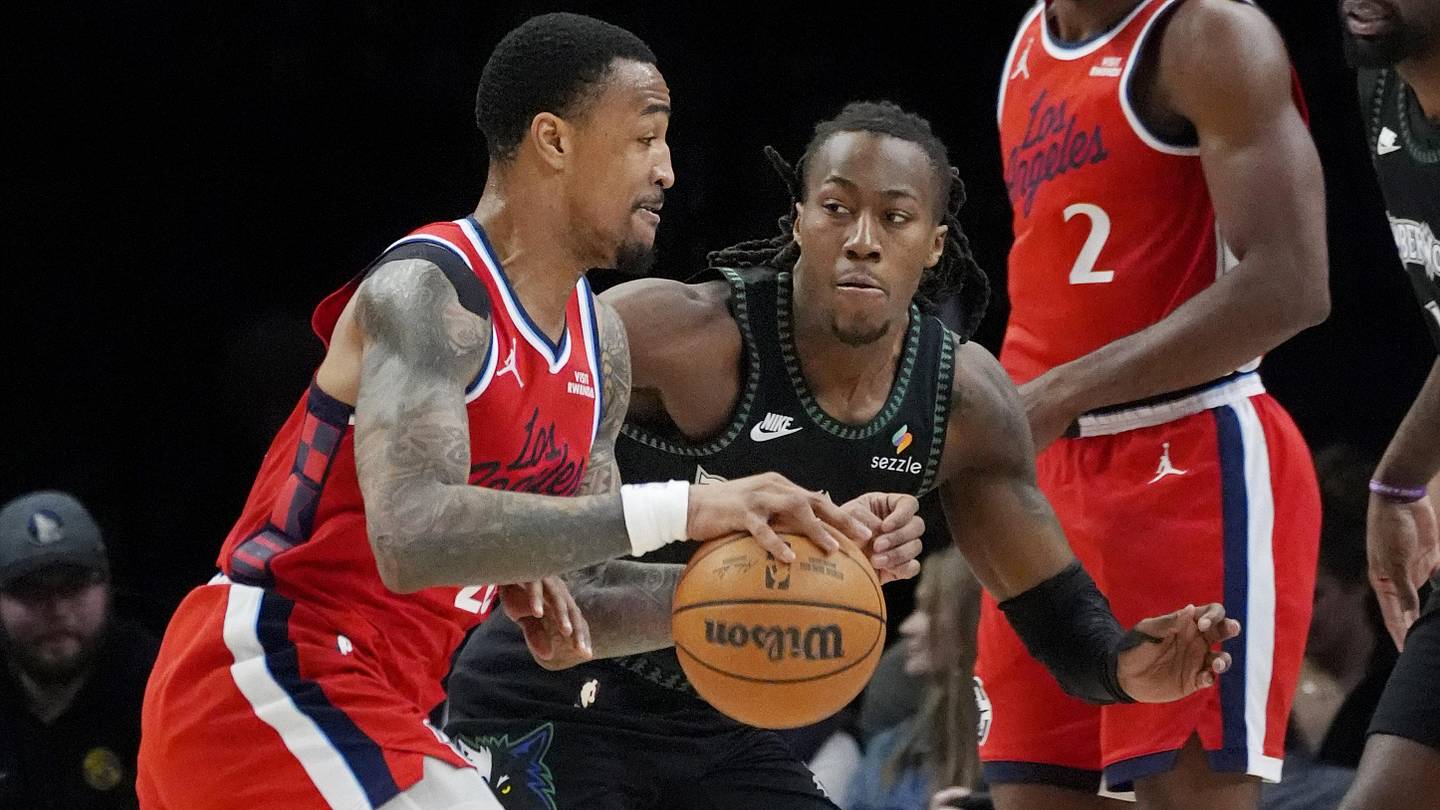
The Minnesota Timberwolves have moved veteran point guard Tyus Collins off their active roster, creating an open slot that gives the club flexibility to add another piece. The decision follows the recent addition of LaMelo Ball, a rookie guard whose arrival has reshaped the team’s strategic outlook. By clearing space, Minnesota signals a willingness to adjust its composition in response to the new core.
LaMelo Ball is now positioned at the center of the Wolves’ rebuilding plan, and the front office appears intent on surrounding him with players who can complement his playmaking strengths. The emphasis on long-term upside means that fringe contributors who do not fit the envisioned backcourt model are being reassessed. This shift reflects a broader trend in the league where a high-upside rookie can trigger a cascade of roster moves aimed at maximizing developmental potential.
For Boston, acquiring Collins provides a low-risk insurance policy. The veteran guard brings familiarity with the league’s pace and can step in if injuries arise, offering the Celtics added bench stability without a significant financial commitment. His experience may also serve as a mentorship resource for younger players, aligning with Boston’s dual focus on immediate competitiveness and future growth.
The Wolves now face the task of finalizing a roster that balances developmental talent with veteran presence. They will likely pursue a player who can contribute defensively and provide mentorship while staying within the league’s roster limits. The emphasis will be on finding a profile that meshes with Ball’s skill set, whether that be a defensive specialist, a versatile wing, or a two-way contract player who can split time between the main roster and the developmental league.
Boston, meanwhile, will evaluate how Collins fits within their bench rotation during practice and preseason action. If his skill set aligns with the team’s tactical needs, he could earn a regular spot; otherwise, the Celtics may explore leveraging his contract in future transactions. The flexibility afforded by his modest contract gives Boston room to maneuver as they chase a deep playoff run.
Overall, the transaction underscores how a marquee signing can set off a ripple effect throughout the league. Minnesota’s decision to waive Collins illustrates the broader impact of committing to a high-upside rookie, while Boston benefits from a modest addition that aligns with their immediate aspirations and long-term planning.
 Minnesota Timberwolves