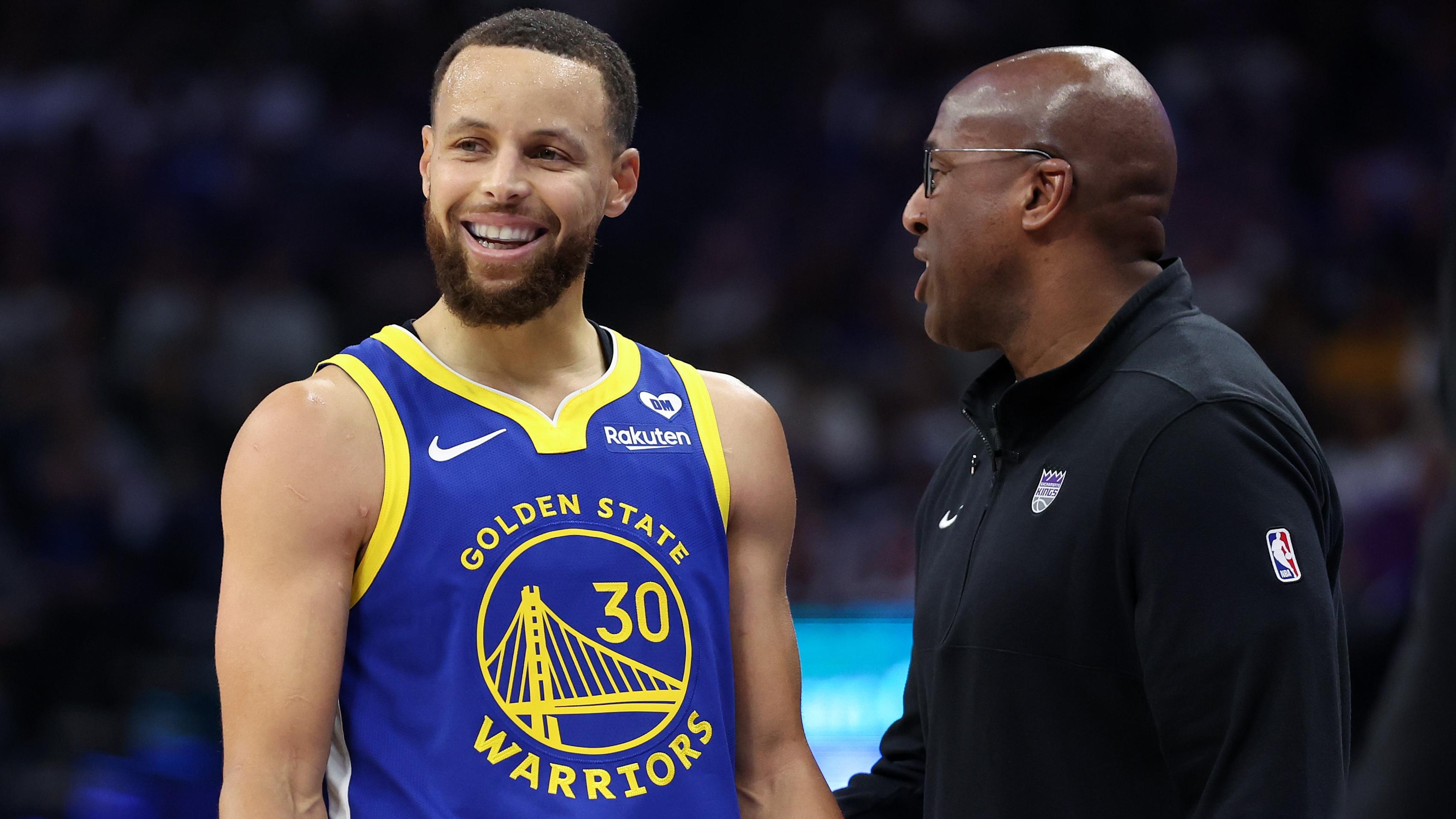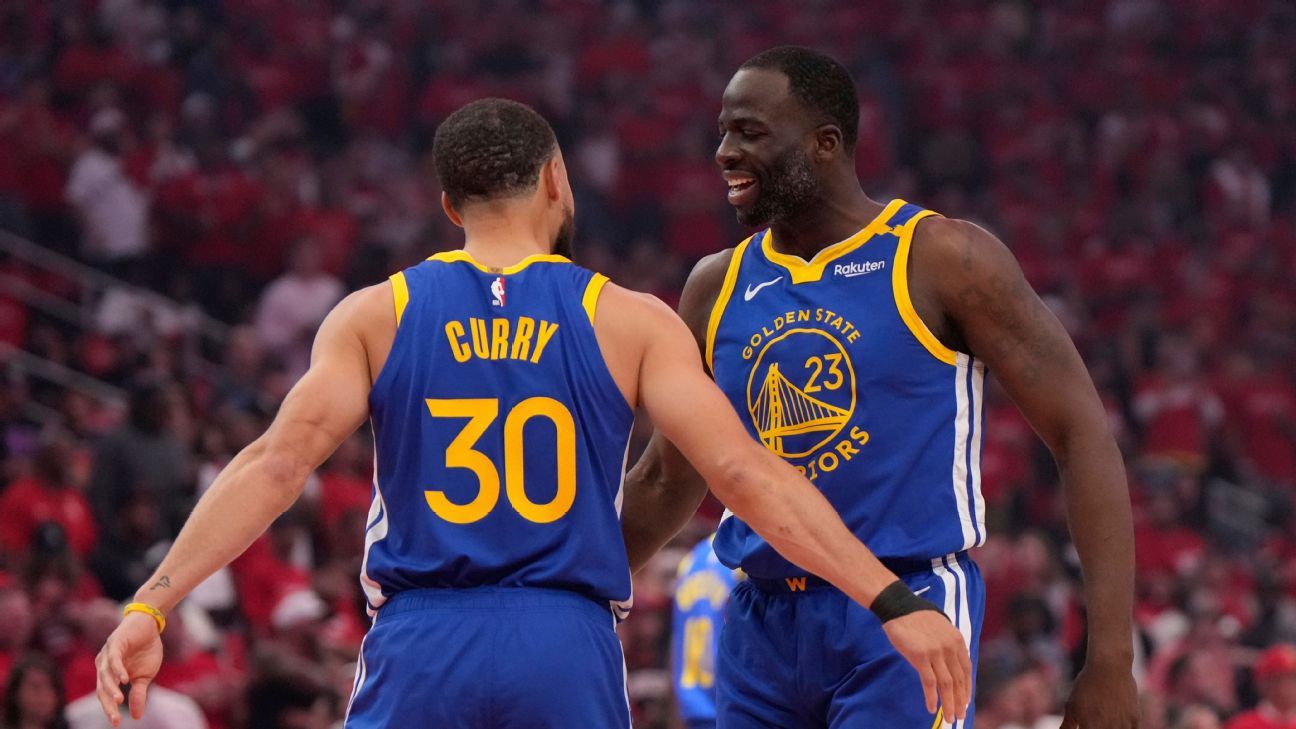
The Golden State Warriors are facing a summer of seismic shifts. Klay Thompson has agreed to a three-year, $50 million sign-and-trade deal with the Dallas Mavericks. The transaction will send Josh Green and other assets to the Charlotte Hornets. Golden State will receive compensation that has not yet been fully disclosed.
This ends an era for the iconic Splash Brothers backcourt. Thompson sought a multi-year deal after turning down a two-year, $48 million extension from the Warriors prior to the season. The Warriors also waived veteran point guard Chris Paul on June 30. They did, however, re-sign Gary Payton II, who opted into his $9.1 million player option for the 2024-25 season.
The financial implications of these moves are substantial. The Warriors have been the NBA's biggest spenders on player salaries and luxury tax payments over the past two seasons. They produced a 90-74 regular season record during that span and secured just one playoff series win. Stephen Curry remains the highest-paid player on the roster, earning over $51 million annually. Draymond Green signed a four-year, $100 million contract last offseason. The team's total salary cap for 2025 is projected at $226,055,913. The departure of Thompson and Paul, whose contract was worth $30.8 million, provides some financial flexibility. Golden State still finds itself well into the luxury tax.
Losing Klay Thompson alters the Warriors' offensive identity. Thompson shot 38.7 percent from three-point range last season. His gravity as an off-ball shooter created critical spacing that opened opportunities for teammates. His departure places an even greater creative burden on Stephen Curry and Draymond Green. The acquisition of Quinten Post, a 7-foot center selected with the 52nd pick in the draft out of Boston College, suggests a desire to maintain floor spacing. Post shot over 40 percent from behind the arc in his final two college seasons and can provide a pick-and-pop threat. Questions remain about his defensive translation to the NBA. The Warriors finished seventh in defensive rating last season but still need more consistent rim protection.
The franchise stands at a crossroads. Ownership and general manager Mike Dunleavy Jr. must decide whether to continue a championship approach around an aging core or pursue more deliberate retooling. The decision to part ways with Thompson signals a willingness to make tough choices. Rival teams like the Dallas Mavericks are looking to upgrade their shooting. The Los Angeles Lakers are navigating their own offseason focused on continuity around LeBron James and Anthony Davis while seeking upgrades at center and wing.
The Warriors still hold their own first-round pick in 2026. The immediate priority will be to assess the remaining free agent market for complementary pieces, particularly wings and additional big man depth, to support Curry and Green. The front office will also need to consider potential contract extensions for younger players like Jonathan Kuminga, who broke out last season. The coming months will reveal if these initial offseason moves represent a strategic pivot toward a new competitive window or a difficult step in managing the twilight of a dynasty.

 Golden State Warriors