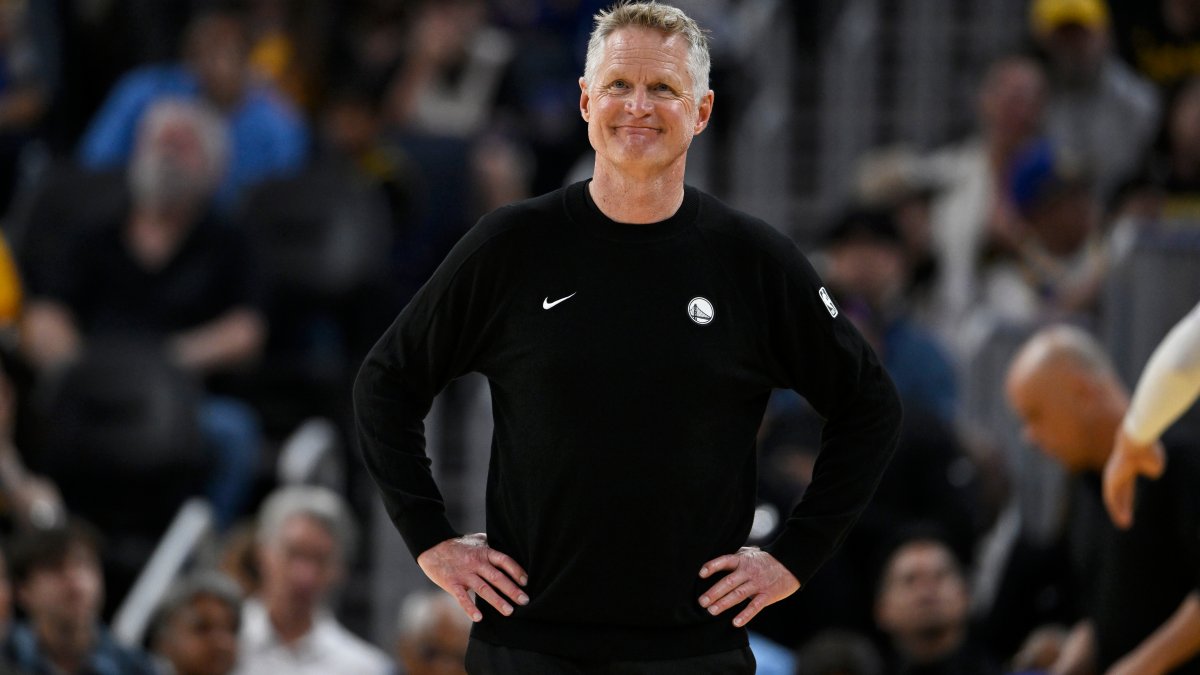
Steve Kerr sealed a two-year extension in May and used the news conference to flag the biggest obstacle for Golden State in 2026-27: an aging core that cannot reliably play back-to-back nights. “I do think it’s important that we don’t have the vast number of players who couldn’t play back-to-back,” Kerr said. “We need some younger legs for sure. It’s a difficult job, and that’s up to Mike (Dunleavy).”
The roster Kerr inherited includes veterans Stephen Curry, Draymond Green, Al Horford, and Kristaps Porziņģis, plus De’Anthony Melton, who is still recovering from an ACL injury. Kerr has placed his trust in Warriors vice-president of player health and performance Rick Celebrini, whose experience spans four decades in the NBA and who understands how taxing an 82-game grind can be for older bodies.
A month and a half after the extension, the Warriors re-signed guard De’Anthony Melton to a two-year deal, keeping the veteran group intact. Outside of the draft, the only new pieces are first-round picks Yaxel Lendeborg and Lajae Jones. With those additions, the roster remains fundamentally the same as the one that finished last season.
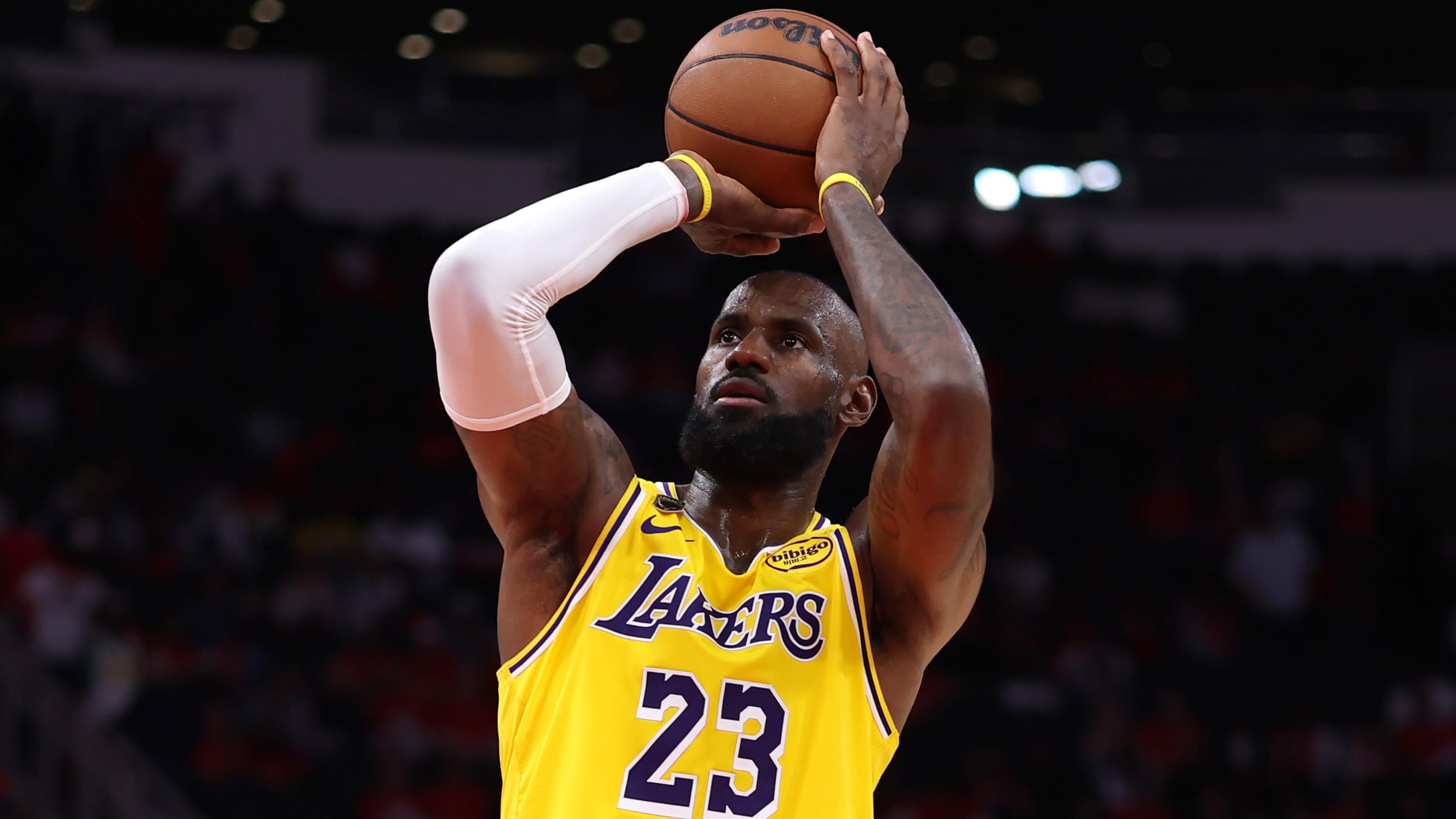
If the team sticks with essentially the same lineup, Kerr will likely have to operate two sub-units within the squad. The younger players , including the two rookies and other role players , are expected to shoulder a larger share of the minutes, especially on back-to-back games. The veteran group, led by Curry and Green and supplemented by Horford, Porziņģis, Melton and a possible LeBron James, would be deployed selectively to preserve health and maintain continuity.
General manager Mike Dunleavy now carries the burden of balancing depth with star power. While speculation swirls about a 41-year-old LeBron James joining the Bay, no deal has been confirmed. Regardless of whether James signs, the front office must decide how much mileage to give the veterans versus the newcomers, with Celebrini’s medical staff playing a pivotal role in monitoring load.
Should the split-squad approach prove effective, Golden State could turn a roster-aging problem into a blueprint for longevity, showing that a team built around three All-Stars can still thrive by treating its bench as a second starting five.
 Golden State Warriors