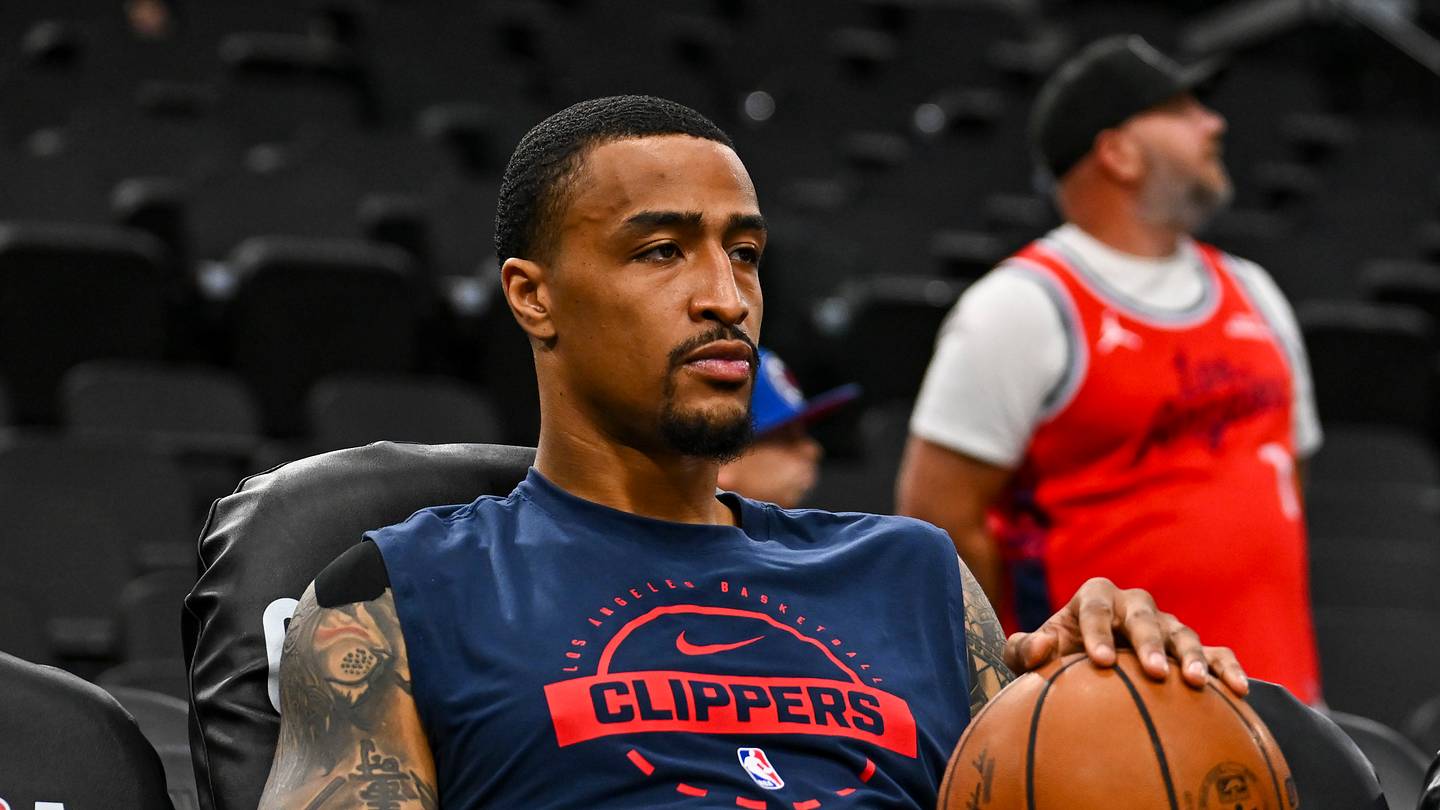
John Collins finalized a three-year, $51 million contract with the Detroit Pistons, ending any immediate prospect of a return to Los Angeles. The deal arrives amid a busy Clippers offseason that already saw Kawhi Leonard shipped to Toronto for Brandon Ingram, rookie forward Gradey Dick, multiple first-round picks and a pick-swap. In addition, the club declined the team option on Bogdan Bogdanović, who subsequently signed with the Houston Rockets, and re-signed forward Kobe Sanders to a modest multi-year agreement.
Collins appeared in 69 games last season, averaging just under 14 points and five rebounds per contest. His production came with efficient shooting that placed him among the more effective forwards in the league, reinforcing his reputation as a reliable stretch-four who can space the floor and finish alley-oop passes. The Pistons’ contract follows his earlier five-year, $125 million deal with the Atlanta Hawks, underscoring his market value as a versatile frontcourt player.
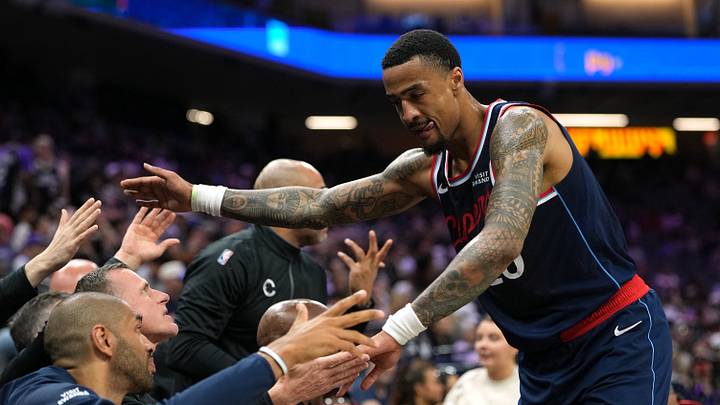
From a financial perspective, the $51 million salary represents a sizable portion of the Clippers’ projected payroll, especially as the club looks to preserve flexibility for younger pieces. By contrast, Kobe Sanders’ new deal averages at a modest level, reflecting a strategy of locking in role players at rates that do not significantly impact cap space. The decision to pass on Collins aligns with a broader post-Leonard approach that favors development over veteran depth, a theme reinforced by the decline of Bogdanović’s option.
The Clippers now carry Ingram, a former All-Star, alongside the rookie talent of Gradey Dick and other assets acquired in the Leonard trade. With the roster in transition, the front office appears intent on giving the younger core ample opportunity to grow while maintaining cap space for strategic moves later in the year. The loss of Collins removes a reliable stretch-four, but it also frees resources that could be directed toward nurturing Ingram’s integration and Dick’s progression.
Looking ahead, the Clippers will enter free agency with room to target contracts that complement their youth-focused direction. Training camp will be the first test of how Ingram meshes with a supporting cast that leans heavily on draft capital. If the team can capitalize on its accumulated picks and retain its current pieces, the absence of Collins may become a footnote rather than a liability. Should injuries or underperformance arise, the decision could be revisited as a missed opportunity to solidify the frontcourt.

 LA Clippers